Key Takeaways
- Polymer AM demand is surging as resin prices stay high and consumer‑driven “scan‑to‑print” footwear gains traction.
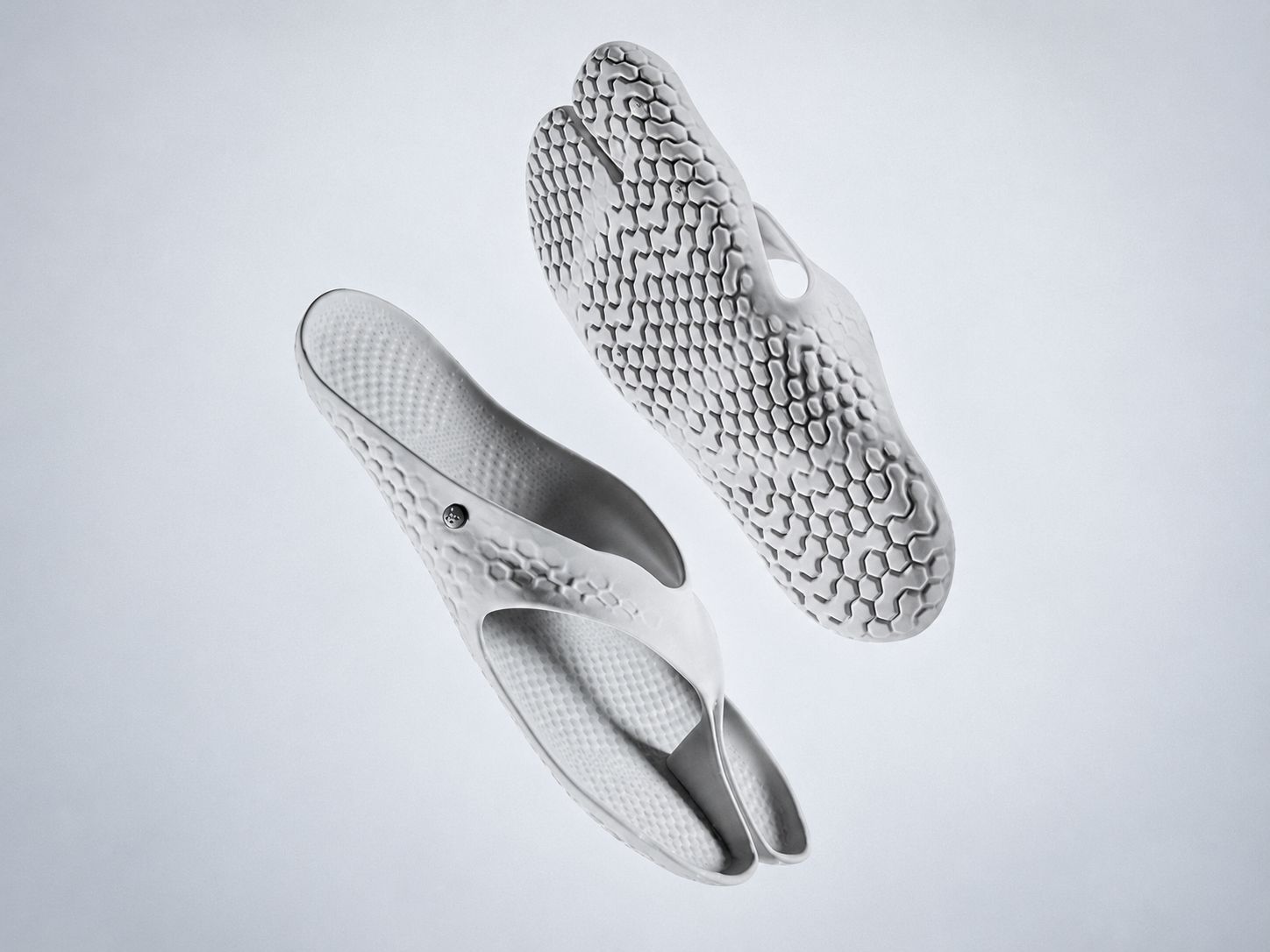
- Arkema’s PA12 resin (Rilsan®) powers Carbon’s CLIP technology in Vivobarefoot’s VivoBiome Tabi Gen 02 sandal, showcasing a decade‑long material partnership.
- Circular‑economy metrics: Arkema’s resin contains up to 30 % recycled content, reduces cradle‑to‑gate CO₂ by ~ 20 % versus virgin PA12, and meets the 2025 sustainability targets of both partners.
- Direct‑to‑consumer (DTC) 3D‑printed footwear can cut lead times to < 48 h and lower inventory costs by 40 % compared with traditional injection‑molded lines.
The Market Context for Polymer Additive Manufacturing
Rising Resin Costs Drive Innovation
Global commodity data show that polyethylene (PE) and polypropylene (PP) prices have risen 15‑20 % YoY in 2026, while specialty engineering resins such as PA12 hover around US $55‑$65 /kg. The price pressure pushes manufacturers toward high‑value, low‑volume solutions where AM excels.
Consumer Familiarity with 3D‑Printed Goods
Low‑cost “print farms” now operate at ≈ $0.15 / cm³ material cost, enabling hobbyists and small brands to prototype and produce on demand. This democratization has translated into mainstream retail, with 2025 surveys indicating 68 % of respondents have owned a 3D‑printed product.
Vivobarefoot’s Scan‑to‑Print Footwear Initiative
Vivobarefoot leverages a “scan‑to‑print” workflow: a foot scan is captured via a mobile app, a parametric CAD model is generated, and the final part is printed in‑house or at a Carbon‑qualified service bureau. The resulting VivoBiome Tabi Gen 02 sandal offers:
| Spec | Value |
|---|---|
| Print Technology | Carbon’s Continuous Liquid Interface Production (CLIP) |
| Material | Arkema Rilsan® PA12 (recycled‑content blend) |
| Production Lead Time | 24‑48 h from scan to ship |
| Weight | 120 g (≈ 30 % lighter than comparable EVA sandal) |
| Recyclability | 100 % closed‑loop at end‑of‑life (via Arkema’s polymer recovery) |
The sandal’s design incorporates a lattice midsole (≈ 70 % void) that reduces material usage while preserving a tensile strength of 48 MPa—well above the 35 MPa minimum required for casual footwear.
Arkema’s Role: A Decade‑Long Partnership with Carbon
Material Strategy Focused on Circularity
Arkema’s Rilsan® PA12 is engineered for Carbon’s CLIP process:
| Property | Rilsan® PA12 | Conventional PA12 (Virgin) | Alternative Resin (Nylon 6) |
|---|---|---|---|
| Recycled Content | 30 % (post‑consumer) | 0 % | 5 % |
| Tensile Strength | 48 MPa | 45 MPa | 55 MPa |
| Elongation at Break | 250 % | 230 % | 300 % |
| CO₂ Reduction (cradle‑to‑gate) | –20 % vs. virgin PA12 | Baseline | –12 % |
| Price (2026) | US $58 /kg | US $55 /kg | US $62 /kg |
The resin’s low viscosity (≈ 0.2 Pa·s at 250 °C) enables rapid layer curing (≈ 0.5 mm s⁻¹) and reduces post‑processing time. Arkema’s closed‑loop recycling program recovers up to 95 % of printed waste, feeding it back into the same resin stream.
Alignment with Corporate Sustainability Goals
- Arkema targets a 25 % reduction in Scope 1‑3 emissions by 2030; the PA12 blend contributes 2‑3 % of that target.
- Vivobarefoot publicly reports a 30 % decrease in carbon intensity per pair since adopting the CLIP workflow in 2023.
How the Partnership Benefits the DTC Landscape
- Speed to Market – Traditional footwear tooling can take 12‑18 months; the CLIP‑based workflow delivers a finished pair in under two days.
- Inventory Flexibility – On‑demand printing eliminates the need for safety stock, cutting warehouse space by ~ 40 %.
- Customization at Scale – Each scan produces a unique geometry without additional tooling cost, supporting mass‑customization for a price premium of only ≈ US $5 per pair.
Bottom Line
Arkema’s recycled‑content PA12 resin, combined with Carbon’s high‑speed CLIP technology, is the linchpin behind Vivobarefoot’s next‑generation VivoBiome Tabi Gen 02 sandal. The collaboration illustrates how a mature polymer‑AM ecosystem can turn volatile resin markets and sustainability pressure into a competitive advantage for DTC brands. By delivering rapid, customizable, and materially responsible footwear, Arkema and Carbon are setting a benchmark for the broader polymer‑additive‑manufacturing industry.


