Key Takeaways
- Chinese company Vilory Metal Powder has developed a 3D printable titanium alloy that outperforms Ti6Al4V at high temperatures
- The near-alpha titanium T70X alloy maintains ≥450 MPa at 700°C and reduces embrittlement up to 750°C
- The material is commercially available, uses standard heat treatment, and has a production-scale supply
- Vilory Metal Powder claims the alloy is a replacement for existing high-temperature Ti powders and a lighter alternative to Inconel
Introduction to Chinese Powder Vendors
Chinese powder vendors have traditionally been associated with cost savings, but often lack machine settings and practical guidance on using the powder. However, China's 14th Five-Year Plan (2021-2025) prioritizes the development of 3D printing, including the creation of new high-temperature and high-performance materials.
Advances in Titanium Powder
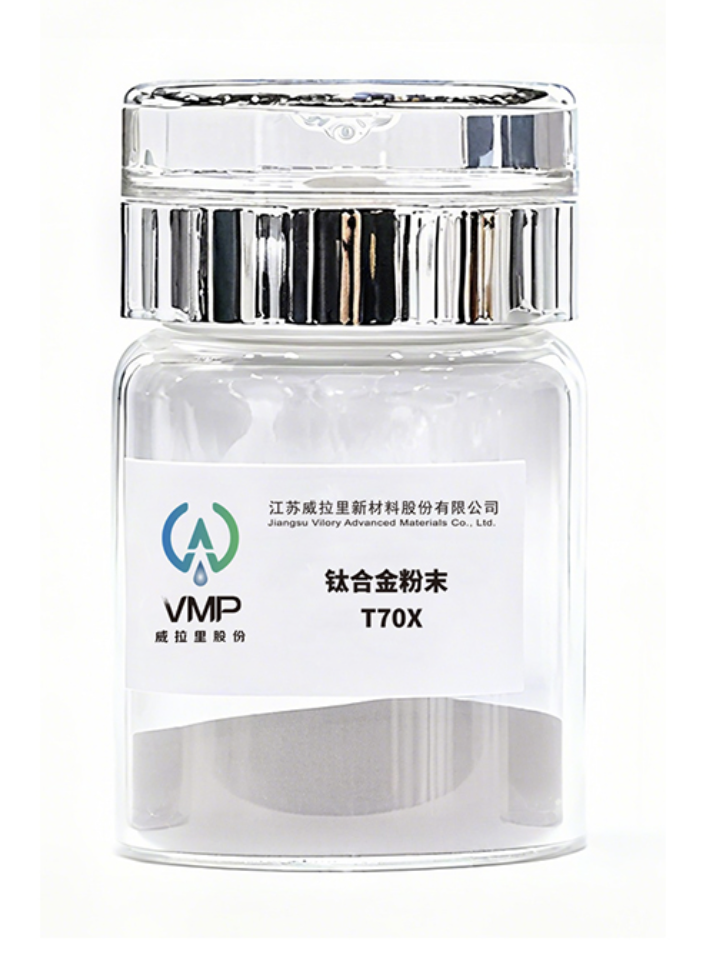
Vilory Metal Powder, formally known as Jiangsu Vilory Advanced Materials Technology, has announced a breakthrough in titanium powder technology. The company's near-alpha titanium T70X alloy uses a combination of Sn, Zr, Mo, Cr, Co, V, and Ni to reduce embrittlement up to 750°C. This alloy outperforms Ti6Al4V while maintaining ≥450 MPa at 700°C.
Comparison of Titanium Alloys
| Alloy | Temperature Resistance | Strength |
|---|---|---|
| Ti6Al4V | Up to 600°C | 900 MPa |
| T70X | Up to 750°C | ≥450 MPa at 700°C |
| TIMETAL 834 | Up to 600°C | 800 MPa |
| Inconel | Up to 1000°C | 1000 MPa |
Applications and Availability
Vilory Metal Powder claims that the T70X alloy is commercially available and suitable for various applications, including high-performance parts. The company also states that the material uses standard heat treatment and has a production-scale supply. With its lighter weight (45% less than Inconel) and high-temperature resistance, the T70X alloy is poised to replace existing high-temperature Ti powders.
Bottom Line
The development of Vilory Metal Powder's near-alpha titanium T70X alloy marks a significant advancement in titanium powder technology. With its high-temperature resistance and reduced embrittlement, this alloy has the potential to replace existing high-temperature Ti powders and provide a lighter alternative to Inconel. As China continues to invest in 3D printing and advanced manufacturing, we can expect to see more innovations in powder technology, further expanding the capabilities of CNC milling and 3D printing.


