Key Takeaways
- The additive manufacturing (AM) market for defense is rapidly evolving, making it challenging to keep track of updates.
- Containerized AM platforms are emerging, with companies like Firestorm Labs securing significant funding and contracts.
- The US military is investing in AM technologies, including a $50 million contract with Firestorm Labs for the delivery of xCell manufacturing units.
- The use of AM in the military has the potential to revolutionize the production of equipment and spare parts, particularly in remote or combat zones.
Introduction to AM in the Military
The additive manufacturing market for defense is undergoing rapid change, with new developments and updates emerging daily. This rapid evolution is driven by the military's need for innovative solutions to produce equipment and spare parts quickly and efficiently, particularly in remote or combat zones.
Containerization in AM
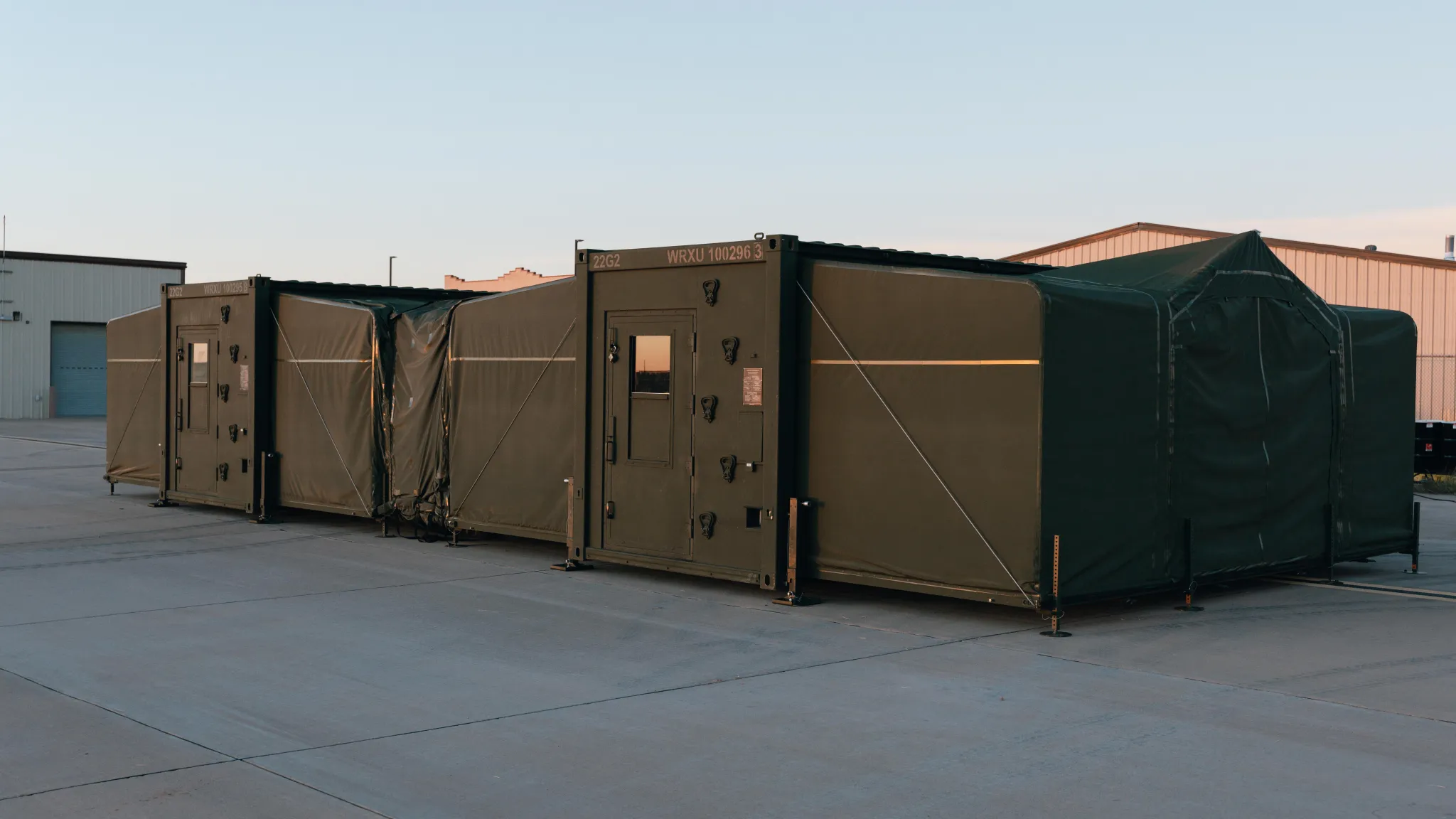
Containerized AM platforms are becoming increasingly popular, with companies like Firestorm Labs leading the charge. Firestorm Labs recently closed an $82 million Series B round and secured a $30 million contract from the Pentagon as part of the Accelerate the Procurement and Fielding of Innovation Technologies (APFIT) program. The contract, which could be worth up to $50 million, involves the delivery of five xCell manufacturing units to an undisclosed customer in the Indo-Pacific region.
Comparison of Containerized AM Platforms
| Platform | Funding | Contract Value | Key Features |
|---|---|---|---|
| Firestorm Labs | $82 million Series B | $50 million | xCell manufacturing units, containerized design |
| Other platforms | varies | varies | varies, often limited by lack of funding or contracts |
Implications of AM in the Military
The use of AM in the military has significant implications for the production of equipment and spare parts. With containerized AM platforms, military personnel can produce parts and equipment in the field, reducing reliance on traditional supply chains and improving response times. This can be particularly beneficial in combat zones or remote areas where access to traditional manufacturing facilities is limited.
Bottom Line
The additive manufacturing market for defense is rapidly evolving, with containerized AM platforms emerging as a key trend. Companies like Firestorm Labs are securing significant funding and contracts, and the US military is investing in AM technologies to improve its production capabilities. As the use of AM in the military continues to grow, it is likely to have a significant impact on the production of equipment and spare parts, particularly in remote or combat zones. With its potential to revolutionize military manufacturing, AM is an area worth watching in the coming years.


