Key Takeaways
- AI and Digital Twin architecture can enhance small-batch additive manufacturing for small and medium-sized enterprises (SMEs)
- Closed-loop manufacturing enables real-time monitoring and optimization of production processes
- Implementing AI and Digital Twin technology can increase efficiency and reduce costs for SMEs
- Researchers have developed a practical architecture for SMEs to adopt this technology
Introduction to AI and Digital Twin Manufacturing
The integration of Artificial Intelligence (AI) and Digital Twin technology is revolutionizing the manufacturing industry, particularly for small and medium-sized enterprises (SMEs). A Digital Twin is a virtual replica of a physical product or process, allowing for real-time monitoring and optimization. By combining AI and Digital Twin technology, SMEs can improve their additive manufacturing processes, reducing costs and increasing efficiency.
Benefits of Closed-Loop Manufacturing
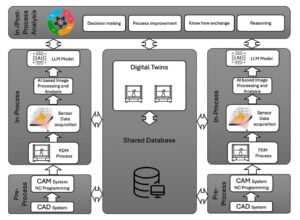
Closed-loop manufacturing enables SMEs to monitor and control their production processes in real-time, making adjustments as needed. This approach can lead to significant improvements in product quality, reduced waste, and increased productivity. With AI-powered analytics, SMEs can identify areas for optimization and implement changes to their manufacturing processes.
Comparison of Manufacturing Architectures
| Architecture | Description | Benefits |
|---|---|---|
| Traditional Manufacturing | Linear production process with limited feedback | Low upfront costs, established workflows |
| Closed-Loop Manufacturing | Real-time monitoring and optimization of production processes | Improved product quality, reduced waste, increased productivity |
| AI and Digital Twin Manufacturing | Integration of AI and Digital Twin technology for optimized production | Increased efficiency, reduced costs, improved product quality |
Implementing AI and Digital Twin Technology
Researchers have developed a practical architecture for SMEs to adopt AI and Digital Twin technology. This architecture includes the use of sensors and data analytics to monitor production processes, as well as AI-powered decision-making tools to optimize manufacturing. By implementing this technology, SMEs can stay competitive in a rapidly changing industry.
Bottom Line
The integration of AI and Digital Twin technology is poised to revolutionize the manufacturing industry, particularly for SMEs. With the ability to monitor and optimize production processes in real-time, SMEs can increase efficiency, reduce costs, and improve product quality. As researchers continue to develop practical architectures for implementing this technology, SMEs can stay ahead of the curve and remain competitive in a rapidly changing industry. By adopting AI and Digital Twin technology, SMEs can unlock new opportunities for growth and innovation, driving success in the years to come.