Key Takeaways
- The University of Nebraska–Lincoln's Frontier Tech Lab created a hands-on fossil dig experience using 3D printing
- The team reproduced real fossils and surrounding rock and sediment for a immersive experience
- 3D printing allows for accurate replicas of delicate fossils, reducing the risk of damage
- The exhibit is part of a broader renovation of the museum's Paul D. and Betty Marx Discovery Center
Introduction to 3D Printing in Museums
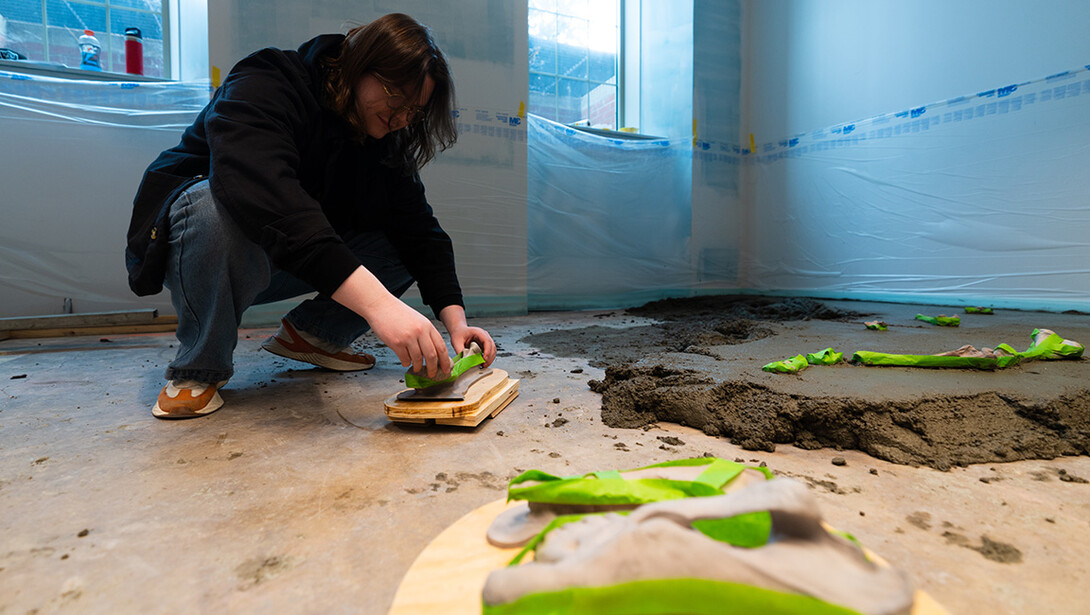
The University of Nebraska–Lincoln's Frontier Tech Lab has successfully integrated 3D printing technology to create an engaging and interactive fossil dig experience. Led by lab coordinator Isaac Regier, the team has reproduced real fossils from the museum's collection, along with the surrounding rock and sediment, using additive manufacturing (AM) techniques. This innovative approach enables visitors, especially children, to dig, touch, and explore fossils without the risk of damaging the fragile and valuable originals.
The Benefits of 3D Printing in Museums
The use of 3D printing in museums has several advantages. It allows for the creation of accurate replicas of delicate fossils, reducing the risk of damage and enabling hands-on interaction. This approach is particularly useful for rare and fragile fossils, which can be easily damaged if handled improperly. By creating replicas, museums can provide an immersive and interactive experience for visitors, while also preserving the original fossils for future generations.
Comparison of Traditional and 3D Printing Methods
| Method | Advantages | Disadvantages |
|---|---|---|
| Traditional | Authentic experience, tactile interaction | Risk of damage, limited accessibility |
| 3D Printing | Accurate replicas, reduced risk of damage, increased accessibility | Initial cost of 3D printing equipment, potential lack of realism |
The Frontier Tech Lab's Approach
The Frontier Tech Lab worked closely with museum scientists to produce lifelike fossil replicas and entire fossil beds. The team produced over 100 replicas, which were then used to create a hands-on exhibit. This collaborative approach ensured that the replicas were accurate and realistic, providing an immersive experience for visitors.
Conclusion
The use of 3D printing in museums has revolutionized the way we interact with fossils and other delicate artifacts. By creating accurate replicas, museums can provide a hands-on and immersive experience for visitors, while also preserving the original fossils for future generations. The Frontier Tech Lab's approach is a prime example of the benefits of 3D printing in museums, and it is likely that we will see more museums adopting this technology in the future.
Bottom Line
The University of Nebraska–Lincoln's Frontier Tech Lab has successfully demonstrated the potential of 3D printing in creating interactive and immersive museum exhibits. By providing accurate replicas of delicate fossils, 3D printing has enabled visitors to engage with artifacts in a hands-on and tactile way, while also preserving the originals for future generations. As the technology continues to evolve, it is likely that we will see more museums adopting 3D printing as a means of providing engaging and interactive experiences for visitors.


