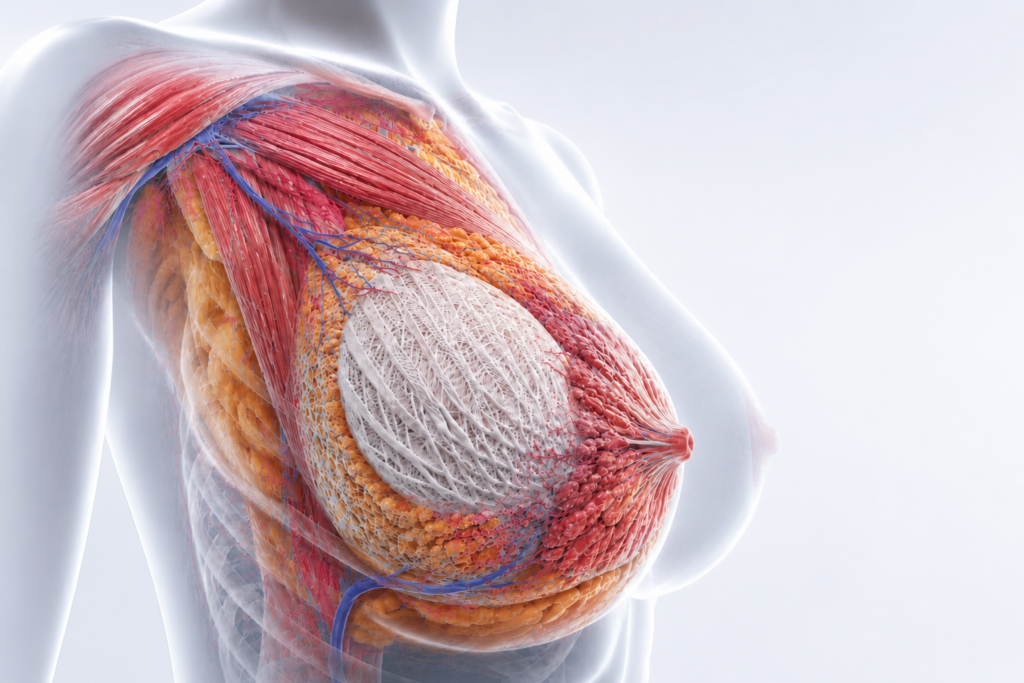
Key Takeaways
- 30 women have undergone breast restoration surgery using BellaSeno's resorbable scaffolds
- The scaffolds are printed using 3D printing and polycaprolactone, allowing for a natural feel and regeneration of breast tissue
- The technology has shown promising results in clinical trials, with 87% fat volume retention and no silicone risks
- Two clinical trials were completed in 2025, with 19 and 11 patients, respectively
Introduction to Resorbable Scaffolds
BellaSeno has developed innovative resorbable breast implant scaffolds using 3D printing and polycaprolactone. These scaffolds can be printed in a specific structure, allowing for customized breast restoration. The polycaprolactone material breaks down completely, eliminating the need for implant removal.
How the Scaffolds Work
The scaffolds are inserted into the breast and seeded with the patient's own fat, providing a protective framework for tissue growth. Over a period of one to two years, the scaffold gradually regenerates breast volume and shape, resulting in a natural feel and appearance.
Clinical Trial Results
BellaSeno has reported promising results from its clinical trials. The first trial, completed in 2025, involved 19 patients, while the second trial, which is ongoing, has 11 patients. The results show that the scaffolds can retain up to 87% of fat volume, avoiding the risks associated with silicone implants.
Comparison of Breast Restoration Methods
| Method | Material | Risks | Natural Feel |
|---|---|---|---|
| Traditional Implants | Silicone | Capsular contracture, rupture | No |
| Fat Grafting | Patient's own fat | Limited volume, uneven distribution | Yes |
| BellaSeno's Scaffolds | Polycaprolactone | Minimal, as scaffold breaks down | Yes |
Expert Opinion
Professor Anand Deva has expressed support for the technology, highlighting its potential to revolutionize breast restoration surgery.
Bottom Line
BellaSeno's resorbable scaffolds have shown significant promise in restoring breasts for women who have undergone mastectomies. With 30 women having already undergone the procedure, the technology is poised to become a game-changer in the field of breast restoration. The scaffolds' ability to regenerate breast tissue naturally, without the risks associated with traditional implants, makes them an attractive option for patients seeking a more natural and sustainable solution.


