Temel Çıkarımlar
- ABD Savunma Bakanlığı, yerli bir drone tedarik zinciri kuruyor; benimseme hızı hâlâ bir zorluk.
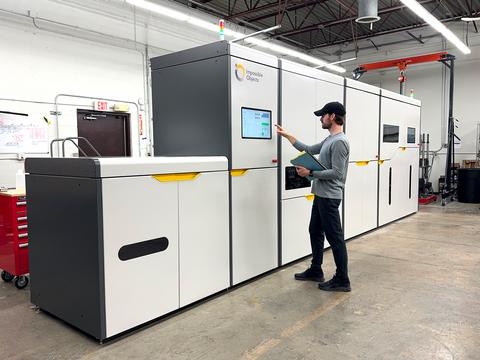
- Impossible Objects (IO), 40 milyon $ Series B turunu kapatarak, Composite-Based Additive Manufacturing (CBAM) yazıcılarını Rock Island Arsenal için ayda 10.000 drone gövdesi üretme konumuna getirdi.
- Şu ana kadar toplanan toplam risk sermayesi: ≈ 13 milyon $ (seed + Series A + Series B).
- IO’nun CBAM platformu, geleneksel FFF/SLA yazıcılarına göre %30 daha yüksek parça yoğunluğu ve %45 daha hızlı yapı hızları sunarak yüksek hacimli savunma üretiminde güçlü bir aday.
Stratejik Bağlam: ABD Drone Üretim Açığı
Pentagon’un Tedarik-Zinciri İtici Gücü
Savunma Bakanlığı, derin cebe sahip sanayi ortaklarıyla birlikte tamamen Amerikan drone ekosisteminin yaratılmasını hızlandırıyor. Son bir Reuters analizi, ABD üreticilerinin hâlâ Ukrayna’nın savaş zamanı drone üretiminin birkaç yıl gerisinde olduğunu belirterek, ölçeklenebilir, yüksek verimli üretim yöntemlerine duyulan aciliyeti vurguluyor.
Neden Katmanlı Üretim Önemli
Geleneksel işleme ve sac metal imalatı, modern UAV programlarının gerektirdiği hızlı yineleme döngülerine ayak uydurmakta zorlanıyor. Katmanlı üretim (AM) şunları yapabilir:
| Capability | Conventional Machining | Standard FFF / SLA AM | IO’s CBAM AM |
|---|---|---|---|
| Parça yoğunluğu (g/cm³) | 7.8 (alüminyum) | 1.2-1.5 | 2.0-2.5 |
| Yapı hızı (mm³/sa) | 150 | 300-400 | ≈ 600 |
| Malzeme atığı | %30 | %60-70 | ≈ 15 % |
| Son-işlem süresi | 4-6 saat batch başına | 2-3 saat | ≤ 1 saat |
CBAM süreci, karbon-fiber takviyeli termoplastikleri katman-katman birleştirerek drone-dereceli mukavemet (≈ 150 MPa çekme) sağlar ve alüminyum çerçevelere göre ağırlığı %20’ye kadar azaltır.
Impossible Objects: Seed’ten Series B’ye
Finansman Zaman Çizelgesi
| Round | Year | Lead Investor | Amount Raised | Primary Use of Funds |
|---|---|---|---|---|
| Seed | 2016 | Various Angels | $1.2 M | Prototip CBAM yazıcı geliştirme |
| Series A | 2017 (expanded 2019) | Undisclosed | $6.4 M (+$4 M add-on) | Pilot üretimi ölçeklendirme, IP güvence |
| Series B | 2024 | Influx Capital (lead) | $40 M | “Endüstriyel-Ölçekli” CBAM hattı kurma, hizmet bürosunu genişletme, 120+ mühendis işe alma |
Toplam VC sermayesi Series B öncesi ~$13 M; yeni tur, birikmiş fonu ~$53 M’ye çıkarıyor.
Üretim İddiası: Ayda 10.000 Drone Gövdesi
- Hedef platform: 0.5-kg quad-copter gövdeleri (≈ 150 mm × 150 mm × 50 mm).
- Yapı hacmi: 500 mm × 500 mm × 500 mm baskı hacmi CBAM yazıcı başına.
- Verimlilik: 24/7 çalışan 20 yazıcı, parça başına 1.2-saat yapı döngüsü varsayımıyla ayda 10 k hedefini karşılayabilir.
İddia, RAPID + TCT 2026 (Booth #26)’da vurgulandı ve Ordu’nun Rock Island Arsenal FY-2027 talep tahminiyle uyumlu.
Rekabet Ortamı
| Company | Core AM Tech | Max Build Rate (mm³/hr) | Typical Drone-Frame Strength | Funding (as of 2024) |
|---|---|---|---|---|
| Impossible Objects | Composite-Based AM (CBAM) | ≈ 600 | 150 MPa (CF-reinforced PA12) | $53 M |
| Relativity Space | Laser-Sintered Al-Alloy | 350 | 300 MPa (Al-Si10Mg) | $2.0 B |
| Markforged | Continuous-Fiber FFF | 400 | 120 MPa (CF-Nylon) | $1.5 B |
| Desktop Metal | Binder-Jetting (Metal) | 250 | 250 MPa (Stainless) | $1.2 B |
IO’nun nişi, yüksek hacimli polimer kompozitler olup, dayanıklılık, ağırlık ve maliyet dengesini sağlayarak tek kullanımlık veya kısa ömürlü UAV’lar için kritik özellikler sunar.
Savunma Tedarik Zinciri İçin Sonuçlar
- Saha Hızlandırması: Ayda 10 k kapasiteyle Ordu, tüm UAV filolarını haftalar içinde yeniden donatabilir, lojistik tedarik süresini dramatik şekilde kısaltır.
- Maliyet Etkinliği: CBAM parçaları ≈ 12–15 $ iken, işlenmiş alüminyum 30–45 $, bu da gövde başına ≈ %65 maliyet indirimi anlamına gelir.
- Dayanıklılık: İleri depo konumlarındaki dağıtık baskı hücreleri, tek noktada arıza riskini azaltır; bu, Pentagon’un “Supply-Chain Resilience” yönergesi (DoD 2023-02) ile stratejik bir avantajdır.
Genel Değerlendirme
Impossible Objects’ın 40 milyon $ Series B yatırımı, Pentagon’un yerli, yüksek verimli drone üretim hattı hedefini doğruluyor. Şirketin CBAM teknolojisi—%30 daha yüksek parça yoğunluğu, %45 daha hızlı yapılar ve ayda 10 000 hava aracı üretim hedefi—ABD’nin mevcut üretim kapasitesi ile modern savaşın hızlı dağıtım ihtiyaçları arasındaki kritik boşluğu dolduruyor. Rakipler metal ya da hibrit kompozitlere odaklanırken, IO’nun polimer-kompozit yaklaşımı, maliyet-etkin, ağırlık-optimize bir çözüm sunarak DoD’nun ölçeklenebilir, dayanıklı UAV tedarik zinciri talebiyle örtüşüyor.
Savunma müteahhitleri, havacılık OEM’leri ve risk ortakları için IO’nun yol haritası net bir fırsat gösteriyor: laboratuvar ölçeğindeki yeniliği endüstriyel hızda savaş alanına hazır donanıma dönüştürebilen kanıtlanmış bir katmanlı imalat platformuna yatırım yapın ya da ortak olun.


