Temel Çıkarımlar
- Batı AM üreticileri rekabetçi kalabilmek için “her-yazıcıyı-sat” stratejisinden uygulama-odaklı stratejilere geçiyor.
- Çinli ekipman üreticileri fiyatları düşürerek ≈%45 düşük-maliyetli metal-AM pazarının payını zaten ele geçirdi.
- Tek bir dikeyde (ör. havacılık, tıp veya petrol-&-gaz) yoğunlaşmak 2-3× daha yüksek brüt marj sağlayabilir ancak geliri 18-36 ay geciktirir.
- Değiş tokuş açıktır: gelen lead’lerin %60-70’ini reddetmek karşılığında daha derin mühendislik desteği ve uzun vadeli pazar kilidi elde edilir.
- Başarı, seçilen sektörün yatırım döngüsü, düzenleyici zaman çizelgesi ve yeni süreç zincirlerini benimseme isteğiyle eşleşmesine bağlıdır.
Giriş: “Her Geometri”den “Her Endüstri”ye
Erken dönemlerinde, eklemeli imalat (AM) evrensel geometri çözümü olarak pazarlandı. Satış konuşması basitti: “Hayal edebiliyorsanız, biz basabiliriz.” Bu vaat, satıcıların her sorguyu takip etmesine, satış hunisini şişirmesine ve teknolojinin kendisinin ana satın alma nedeni olmasına olanak tanıdı.
Bugün bu model artık geçerli değil. Çinli üreticiler fiyat liderliğini aşmış, metal-lazer toz-yatak sistemlerini US $250 k–$350 k fiyatlarla sunuyor, bu da benzer Batı birimlerinden %30 daha düşük. Maliyet baskısı arttıkça Batı firmaları yalnızca fiyata dayanamaz; müşteri yakınlığıyla – dar bir endüstri sorununu herkesten daha iyi çözebilme yeteneğiyle – farklılaşmak zorundalar.
Endüstri “Her Şey” Tuzağına Nasıl Düştü
| Faktör | Erken AM Pazarı | Olgun AM Pazarı |
|---|---|---|
| Temel Değer Teklifi | Geometrik özgürlük (her şekil, kalıp yok) | Belirli son-kullanım için süreç mükemmelliği |
| Tipik Fiyatlandırma (USD) | $500 k–$1 M (yüksek-uç) | $250 k–$800 k (nişine bağlı) |
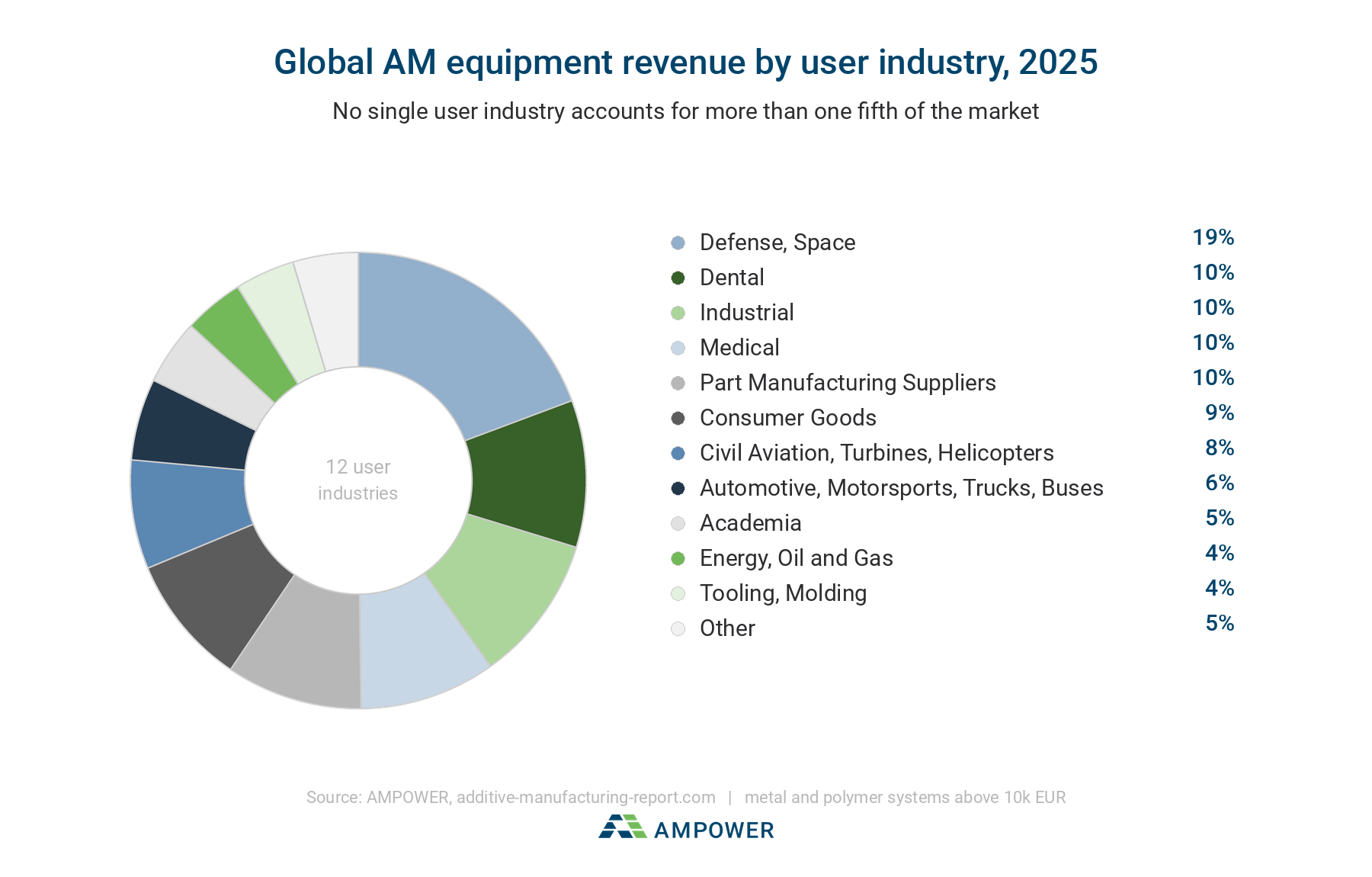
| Segment Bazında Gelir Payı* | %20 havacılık, %15 tıp, %10 otomotiv, %55 “diğer” | %45 havacılık, %30 tıp, %15 petrol-&-gaz, %10 “diğer” |
| Satış Döngüsü | 1–3 ay (işlemci) | 12–36 ay (stratejik ortaklık) |
| Brüt Marj | %25-30 | %35-45 (niş-odaklı olduğunda) |
*2023-2024 sektör anketlerinden derlenmiştir (AM Insights, 2024).
“Her şey” vaadi, satıcıların bir sektöre öncelik vermesini imkânsız kıldı; bu da parçalanmış bir gelir tabanı ve ince marjlar doğurdu.
Uygulama Odaklı Girişim Riski
Tek bir kullanıcı grubunu seçmek artık bir pazarlama dokunuşu değil, stratejik bir bahis. Risk profili, tarihsel “bir makine sat” yaklaşımından büyük ölçüde farklıdır:
| Risk Boyutu | Geleneksel İşlemci Modeli | Uygulama-Odaklı Model |
|---|---|---|
| Gelir Zamanlaması | Her satıştan anlık nakit akışı | Ertelenmiş nakit akışı; ROI 2-3 yıl sonra gerçekleşir |
| Mühendislik Yatırımı | Minimum (standart makine) | Yoğun (özel yazılım, malzeme kalifikasyonu, sonrası süreç entegrasyonu) |
| Rekabet Engeli | Düşük (fiyat rekabeti) | Yüksek (derin alan uzmanlığı, IP-korumalı iş akışları) |
| Pazar Maruziyeti | Geniş, fakat sığ | Dar, fakat derin ve savunulabilir |
Artı yön, sürdürülebilir bir hendek: rakipler, örneğin havacılık türbin kanatları için onaylı malzeme tarifleri, doğrulanmış süreç parametreleri ve düzenleyici belgeler içeren bir turnkey çözümü hızlıca kopyalayamaz. Eksi yön ise kısa vadeli gelir boşluğu—şirketler, uzmanlaşmış yeteneği inşa ederken çeyrek bazında %15-20’lik bir satış düşüşü görebilir.
Müşteri Yakınlığını Uygulama: Pratik Bir Yol Haritası
- Hedef Dikeyi Seçin – Toplam adreslenebilir pazar (TAM), büyüme oranı (>%8 CAGR) ve mevcut mühendislik güçleriyle uyumu değerlendirerek sektörleri analiz edin.
- Özel Bir Uygulama Ekibi Kurun – Ar-Ge bütçesinin %30-40’ını dikey-özel malzeme bilimi, simülasyon ve sertifikasyona ayırın.
- Erken Benimseyenlerle Ortak Geliştirin – Hacim taahhütlerini (ör. 50-100 parça/yıl) kilitleyen çok-yıllı “yenilik ortaklığı” sözleşmeleri imzalayın.
- Dikey-Özel Servis Paketleri Oluşturun – Tasarım-for-AM, yapı-sayfası optimizasyonu, ısıl-muamele ve sonrası QA dahil uç-uç destek sunun.
- Başarıyı Niş Metriğiyle Ölçün – Brüt marj, tekrar sipariş oranı ve sertifikasyon süresi birincil KPI’lar haline gelsin, sadece birim sayısı değil.
Sonuç
Batı AM tedarikçileri artık sadece fiyatla kazanamıyor. Tek, yüksek-değerli bir endüstriye odaklanarak, kısa vadeli satış hacmini uzun vadeli farklılaşma, daha yüksek marjlar ve savunulabilir bir pazar konumuna değiştiriyorlar. Strateji riskli—gelir şimdi feda edilecek ve geri dönüş birkaç yıl sürebilir—ama düşük maliyetli Çinli rakiplerle rekabet edebilmek ve yüksek teknoloji müşterilerin talep ettiği derin, uygulama-spesifik uzmanlığı sunabilmek için tek yol bu.


