Key Takeaways
- WoolyFil uses wool-based colorants to color filament, offering a sustainable alternative to traditional pigments.
- The pigments developed by Wool Source and KiwiFil have a biobased content of 92% to 98%.
- Traditional synthetic pigments can pollute wastewater, contain toxic heavy metals, and are often non-biodegradable.
- Wool-based pigments provide a more environmentally friendly option for the 3D printing industry.
Introduction to Sustainable Filaments
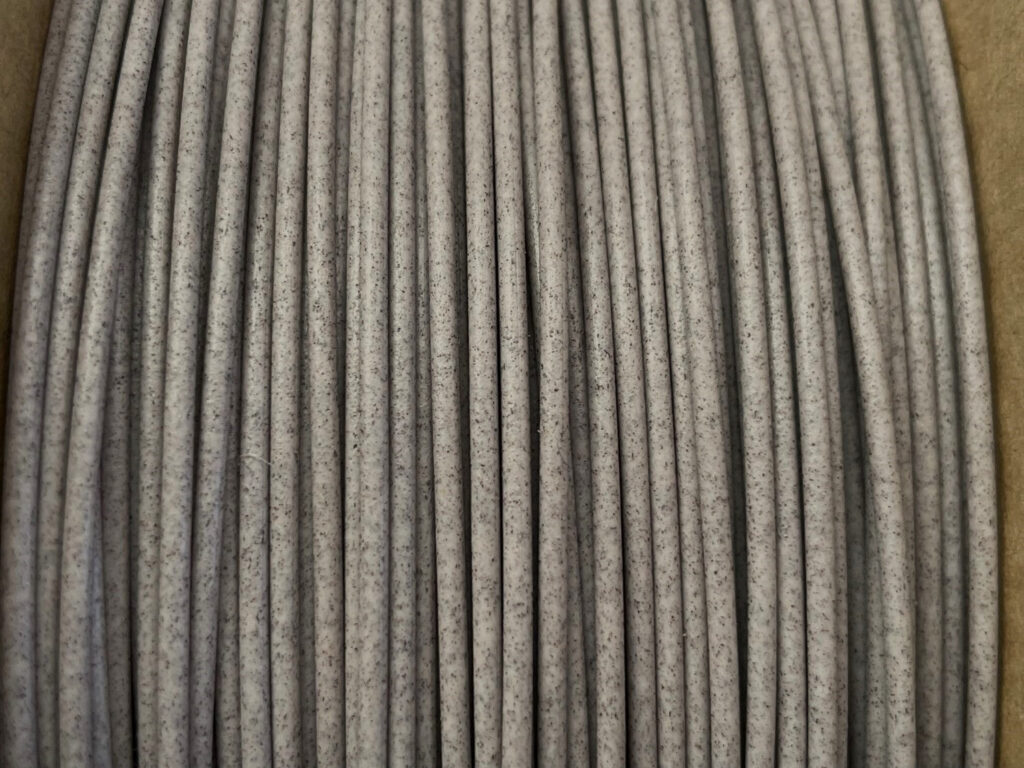
The 3D printing industry has been shifting towards more sustainable practices, and one area of focus is the development of eco-friendly filaments. WoolyFil, a New Zealand-based company, has partnered with Wool Source and KiwiFil to create a wool-based colorant for 3D printing filaments. This innovative approach offers a biobased alternative to traditional synthetic pigments, which can have devastating environmental and health impacts.
The Environmental Impact of Synthetic Pigments
Synthetic pigments are often made from inorganic and organic compounds, which can pollute millions of liters of wastewater during production and dyeing. These pigments can also contain toxic heavy metals and are frequently non-biodegradable. Furthermore, some synthetic pigments can release Polycyclic Aromatic Hydrocarbons (PAHs), which can damage aquatic ecosystems. Coal tar dyes, used in some synthetic pigments, have been linked to carcinogenic effects.
Comparison of Pigment Types
| Pigment Type | Biobased Content | Environmental Impact |
|---|---|---|
| Synthetic Pigments | 0-10% | High pollution risk, toxic heavy metals, non-biodegradable |
| Wool-Based Pigments | 92-98% | Low pollution risk, biodegradable, non-toxic |
Benefits of Wool-Based Pigments
The use of wool-based pigments in 3D printing filaments offers several benefits, including:
- Reduced environmental impact: Wool-based pigments have a lower pollution risk and are biodegradable.
- Improved sustainability: With a biobased content of 92% to 98%, wool-based pigments are a more sustainable option for the 3D printing industry.
- Non-toxic: Wool-based pigments do not contain toxic heavy metals, making them a safer choice for consumers.
Bottom Line
The development of wool-based pigments for 3D printing filaments is a significant step towards a more sustainable future for the industry. With their high biobased content and low environmental impact, wool-based pigments offer a viable alternative to traditional synthetic pigments. As the 3D printing industry continues to grow, the adoption of eco-friendly practices and materials, such as wool-based pigments, will be crucial in reducing its environmental footprint.


