Key Takeaways
- The Soo Locks in northern Michigan required a 12-foot steel lever arm replacement, which would have taken 18 months using traditional casting methods.
- Lincoln Electric's additive manufacturing team used 3D printing to produce the part in just three months.
- The team printed the part in two seven-foot sections, welded and machined the joint, and delivered on schedule.
- The U.S. Army Corps of Engineers initially faced a long lead time for the replacement part, but 3D printing significantly reduced the downtime.
Introduction to the Challenge
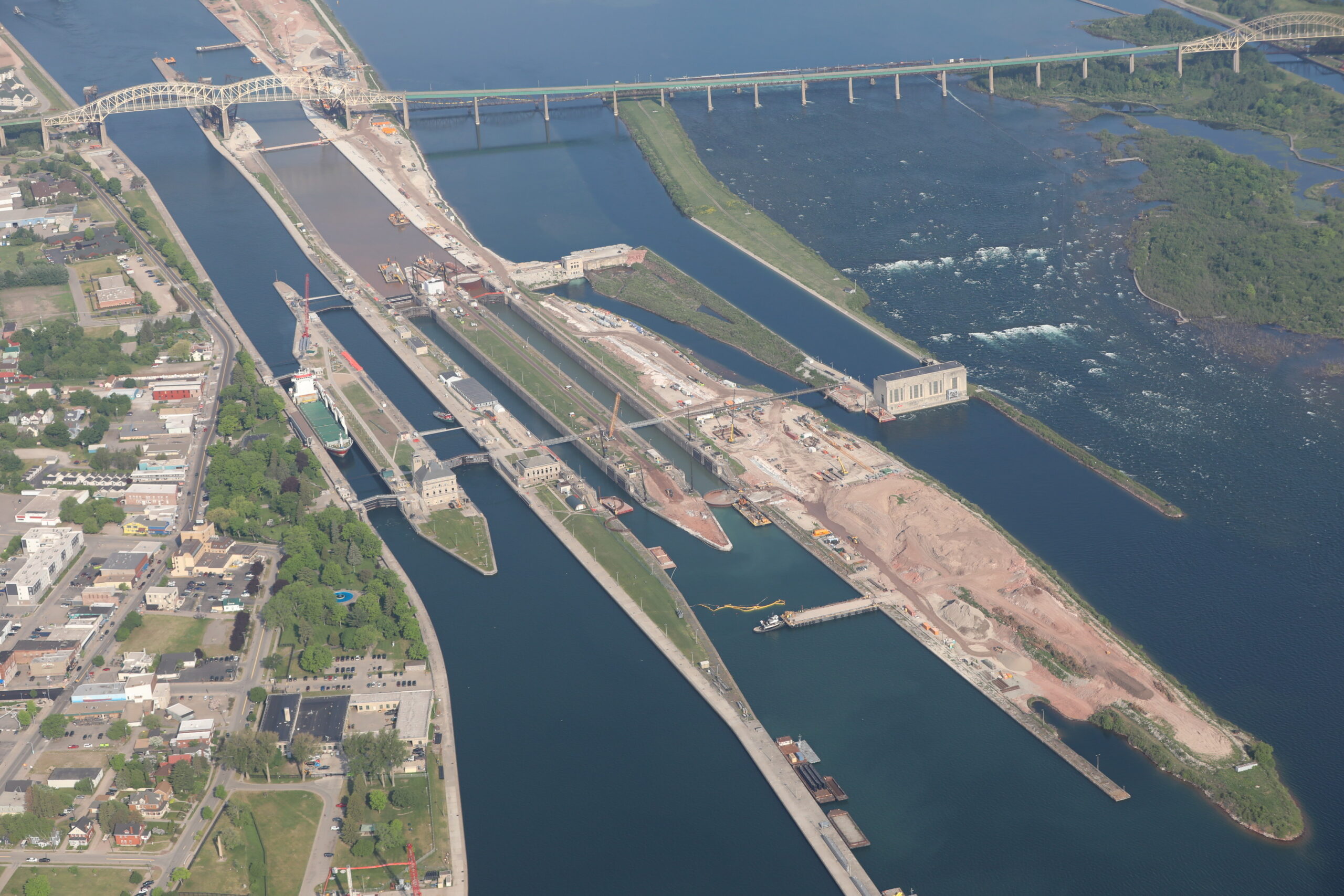
The Soo Locks, a vital shipping passage connecting Lake Superior to the rest of the Great Lakes, faced a significant challenge when a 12-foot steel lever arm cracked. The U.S. Army Corps of Engineers needed a replacement part, but traditional casting methods would have taken 18 months.
The Solution: 3D Printing
Lincoln Electric's additive manufacturing team, led by Sean Schaefer, marketing manager at Baker Industries, used wire-arc additive manufacturing (WAAM) to produce the part. The team printed the part in two seven-foot sections, welded and machined the joint, and delivered on schedule.
Comparison of Traditional Casting and 3D Printing
| Method | Lead Time | Production Time |
|---|---|---|
| Traditional Casting | 18 months | N/A |
| 3D Printing (WAAM) | 3 months | 2 sections, 7 feet each |
Benefits of 3D Printing in This Case
The use of 3D printing in this case reduced the lead time from 18 months to just three months. This significant reduction in downtime helped the U.S. Army Corps of Engineers avoid prolonged closure of the Soo Locks. The project demonstrated the capabilities of Lincoln Electric's additive manufacturing team in producing large, complex parts quickly and efficiently.
Conclusion
The Soo Locks project showcased the potential of 3D printing in reducing lead times and increasing efficiency in the production of large, complex parts. By leveraging WAAM technology, Lincoln Electric's additive manufacturing team was able to deliver a critical replacement part in a fraction of the time it would have taken using traditional casting methods.
Bottom Line
The successful replacement of the 12-foot steel lever arm at the Soo Locks using 3D printing highlights the benefits of additive manufacturing in reducing downtime and increasing productivity. With its ability to produce complex parts quickly and efficiently, 3D printing is poised to play a significant role in the maintenance and repair of critical infrastructure, such as the Soo Locks, in the future.