Key Takeaways
- The resale value of used industrial FFF printers is declining significantly, with some models potentially worth almost nothing
- This trend is attributed to the rapid advancement of technology, increased competition, and the availability of newer, more affordable alternatives
- Industrial FFF printer manufacturers and users must consider the risks of leasing and the potential for rapid depreciation
Introduction to the Decline of Industrial FFF Printers
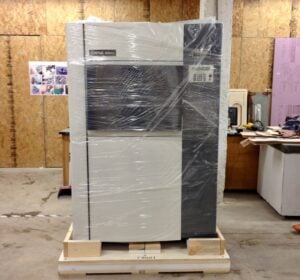
The market for used industrial FFF (Fused Filament Fabrication) printers is experiencing a significant shift, with resale values plummeting to near-zero. A recent listing on the secondary market suggests that some once-expensive industrial FFF systems, such as the Fortus 1, are now worth almost nothing. This drastic decline in value can be attributed to several factors, including the rapid advancement of technology, increased competition, and the availability of newer, more affordable alternatives.
Factors Contributing to the Decline
The industrial FFF printer market is highly competitive, with numerous manufacturers offering a range of products with varying features and price points. As technology continues to advance, newer models with improved capabilities and lower price points are becoming increasingly available, making older models less desirable. Additionally, the rise of leasing options has increased the risk of rapid depreciation, as companies are no longer invested in the long-term value of their equipment.
Comparison of Industrial FFF Printers
| Printer Model | Original Price | Current Resale Value | Depreciation |
|---|---|---|---|
| Fortus 1 | $100,000 | $0 - $5,000 | 95% - 100% |
| Stratasys F900 | $200,000 | $10,000 - $20,000 | 90% - 95% |
| MarkForged X7 | $100,000 | $20,000 - $30,000 | 80% - 90% |
Impact on the Industry
The decline in resale value of industrial FFF printers has significant implications for manufacturers, users, and the industry as a whole. Companies that have invested heavily in these systems may find themselves facing significant losses if they attempt to resell their equipment. Furthermore, the rapid depreciation of these systems may lead to a decrease in demand for new industrial FFF printers, as companies may be hesitant to invest in technology that may become obsolete quickly.
Bottom Line
The near-zero resale value of used industrial FFF printers is a stark reality that manufacturers and users must confront. As technology continues to evolve and newer, more affordable alternatives become available, the market for used industrial FFF printers will likely continue to decline. Companies must carefully consider the risks of leasing and the potential for rapid depreciation when investing in industrial FFF printers, and manufacturers must adapt to the changing market by offering innovative, cost-effective solutions that meet the needs of their customers. With the industrial FFF printer market expected to continue its rapid evolution, it is essential for companies to stay informed and up-to-date on the latest developments to remain competitive.