Key Takeaways
- 3D bioprinting of human organs is still in its infancy, with current technology only capable of printing simple tissues and structures
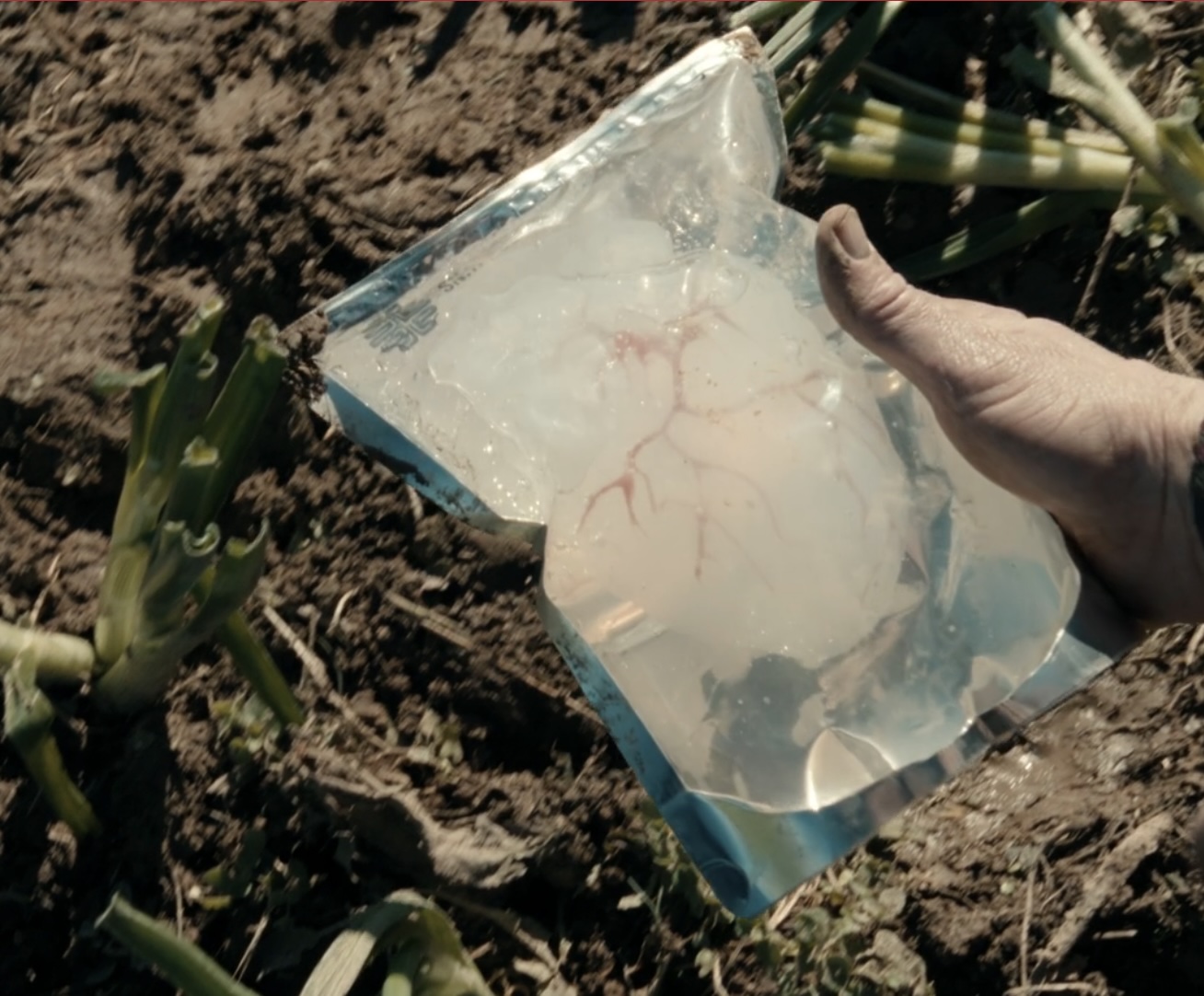
- The Amazon Prime show Scarpetta portrays a fictional biotech company that can 3D bioprint human organs in microgravity, which is not currently possible in reality
- Companies like Redwire are conducting bioprinting experiments in microgravity, but are still far from producing fully transplantable human organs
- Current bioprinting technologies have limitations, including the need for further research and development to create complex biological structures
Introduction to 3D Bioprinting
The concept of 3D bioprinting human organs has gained significant attention in recent years, with many experts believing it has the potential to revolutionize the field of medicine. However, the reality is that this technology is still in its early stages, and we are far from being able to print fully functional human organs.
Current State of Bioprinting
Companies like Redwire are at the forefront of bioprinting research, conducting experiments in microgravity aboard the International Space Station. While they have made significant progress, including printing simple tissues and structures, they are still far from producing fully transplantable human organs. The current state of bioprinting can be compared to the following technologies:
| Technology | Current Capability | Limitations |
|---|---|---|
| 3D Bioprinting | Printing simple tissues and structures | Limited by the need for further research and development to create complex biological structures |
| Microgravity Bioprinting | Printing tissues and structures in microgravity | Limited by the need for further research and development to understand the effects of microgravity on bioprinting |
| Traditional Organ Transplantation | Transplanting organs from donors | Limited by the shortage of available organs and the risk of rejection |
Comparison of Bioprinting Technologies
The following table compares the current capabilities and limitations of different bioprinting technologies:
| Technology | Resolution | Printing Speed | Cell Viability |
|---|---|---|---|
| Inkjet Bioprinting | 100-500 μm | 1-10 mm/s | 80-90% |
| Laser-Assisted Bioprinting | 10-100 μm | 0.1-1 mm/s | 90-95% |
| Microextrusion Bioprinting | 100-1000 μm | 1-10 mm/s | 80-90% |
Conclusion
While the concept of 3D bioprinting human organs is exciting, the reality is that this technology is still in its infancy. Companies like Redwire are making significant progress, but we are still far from being able to print fully functional human organs. Further research and development are needed to overcome the limitations of current bioprinting technologies and create complex biological structures.
Bottom Line
The idea of 3D bioprinting human organs is a promising one, but it is not yet a reality. While companies like Redwire are making progress in bioprinting research, we are still in the early stages of development. As research and development continue to advance, we may one day see the creation of fully functional human organs, but for now, it remains a topic of science fiction.


