Key Takeaways
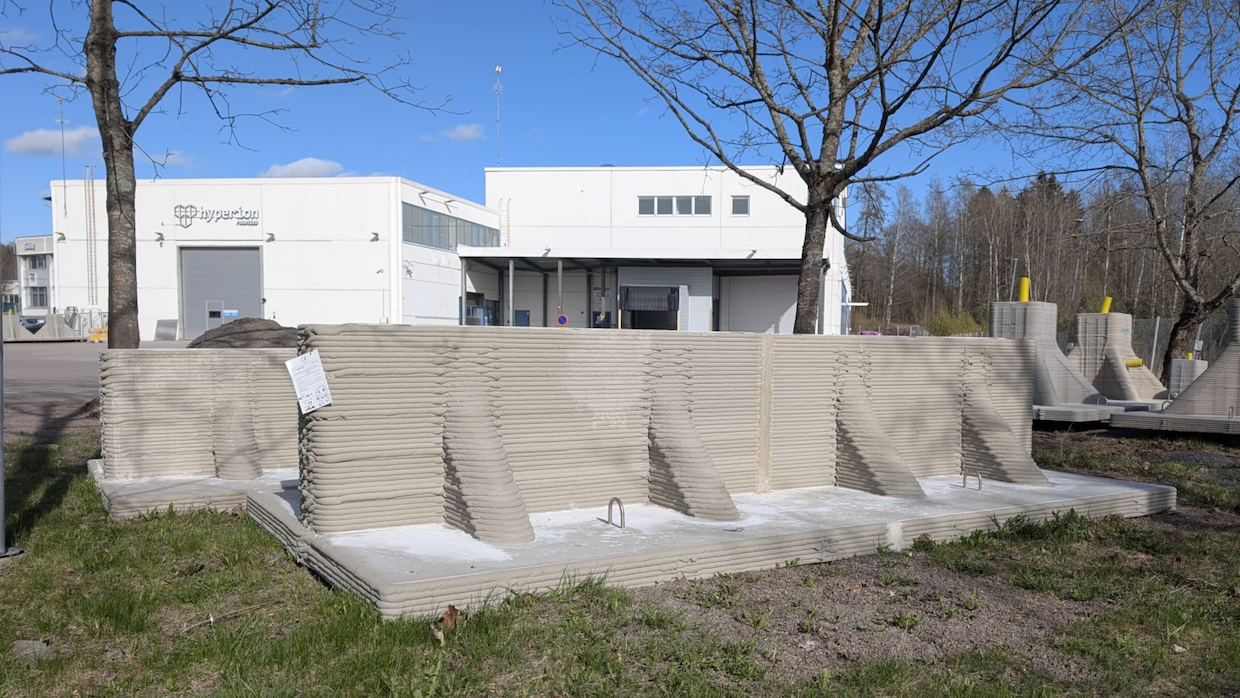
- A new factory in North Lincolnshire, UK, will utilize robots to 3D print concrete parts for construction on a large scale.
- The facility will produce components like foundations and infrastructure elements using low-carbon materials and robotic systems.
- The project is a collaboration between Hyperion Robotics and LKAB Minerals, with Costain as the first known client.
- The first project will involve producing 90 high-strength concrete pipe support bases for a carbon capture project on Teesside.
Introduction to 3D Printed Concrete
The construction industry is on the cusp of a revolution with the introduction of a new factory in North Lincolnshire, UK, that will specialize in 3D printing concrete parts on a large scale. This innovative facility will leverage robotic systems and low-carbon materials to produce critical infrastructure components, such as foundations and pipeline supports.
Partnerships and Projects
Hyperion Robotics is at the forefront of this initiative, partnering with LKAB Minerals to develop the factory. The first client, Costain, a prominent UK infrastructure contractor, has already lined up a project that will utilize the factory's capabilities. The project involves producing approximately 90 high-strength concrete pipe support bases, or sleepers, for a carbon capture project on Teesside, spanning 1.3km of onshore CO2 pipelines.
Comparison of Traditional and 3D Printed Concrete Methods
| Method | Materials | Production Time | Environmental Impact |
|---|---|---|---|
| Traditional | High-carbon materials | Longer production time | Higher environmental impact |
| 3D Printed | Low-carbon materials | Faster production time | Lower environmental impact |
Benefits of 3D Printed Concrete
The use of 3D printed concrete offers several advantages, including reduced production time, lower environmental impact, and increased efficiency. The robotic systems employed in the factory will enable the production of complex geometries and customized components, which would be challenging or impossible to achieve with traditional methods.
Conclusion
The new factory in North Lincolnshire, UK, marks a significant milestone in the adoption of 3D printed concrete in the construction industry. With its focus on sustainability, efficiency, and innovation, this initiative has the potential to transform the way infrastructure components are produced.
Bottom Line
The introduction of a 3D printed concrete factory in the UK is a groundbreaking development that promises to revolutionize the construction industry. With its emphasis on low-carbon materials, robotic systems, and sustainable production methods, this initiative is poised to make a significant impact on the environment and the industry as a whole. As the demand for sustainable and efficient construction methods continues to grow, the use of 3D printed concrete is likely to become increasingly prominent in the years to come.


