Key Takeaways
- The metal additive manufacturing (AM) industry has evolved beyond basic printing capabilities
- Laser powder bed fusion (L-PBF) is advancing rapidly with increased power, beam shaping, and automation
- Electron beam powder bed fusion (EB-PBF) is often judged by laser-based assumptions, but it has its own unique characteristics and advantages
- The next phase of EB-PBF will be defined by beam control, enabling more precise manufacturing capabilities
- EB-PBF combines vacuum, elevated powder bed temperature, and electromagnetic beam deflection to create a distinct physical regime
Introduction to Metal Additive Manufacturing
The metal additive manufacturing industry has come a long way since its inception. Initially, the primary concern was whether a machine could print a material and produce a dense part. However, with the advancement of technology, the focus has shifted to more complex aspects such as material behavior, qualification confidence, and process control.
Advancements in Laser Powder Bed Fusion
Laser powder bed fusion (L-PBF) has been at the forefront of metal AM, with recent events like Formnext, TCT Asia, AMUG, and RAPID + TCT showcasing its rapid progress. The introduction of higher power lasers, beam shaping, and larger machines has enabled L-PBF to scale up production. China's Eplus3D, for example, has announced the EP-M3050 metal AM system, which features a build volume of over three meters in X and Y and up to 256 lasers.
Electron Beam Powder Bed Fusion: A Unique Process
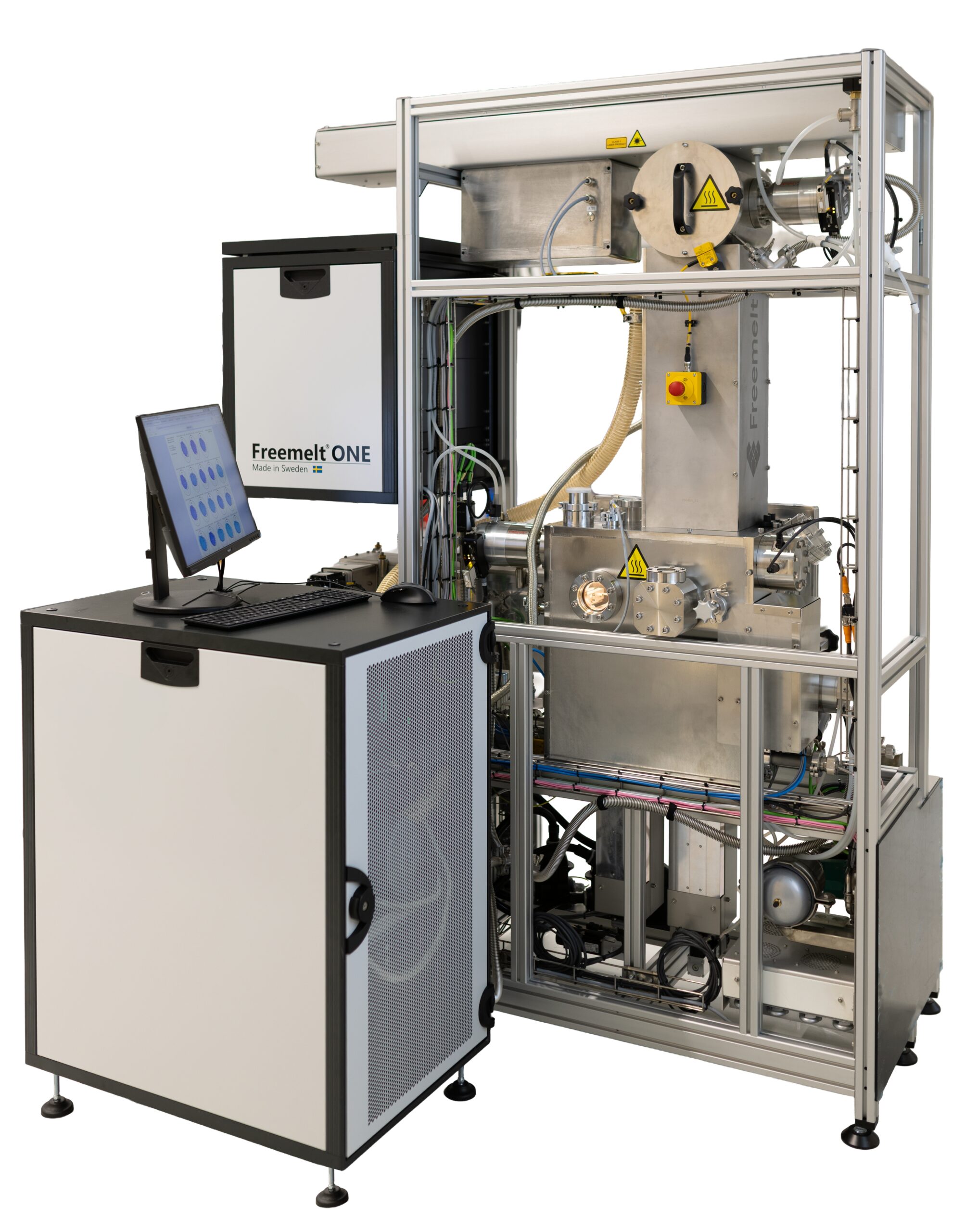
EB-PBF, on the other hand, is often compared to L-PBF, with many judging it based on laser-based assumptions. However, EB-PBF has its own distinct characteristics, combining vacuum, elevated powder bed temperature, electromagnetic beam deflection, rapid beam movement, charge management, thermal history, and electron-material interaction. This creates a different physical regime from L-PBF, making it more suitable for certain applications.
Comparison of L-PBF and EB-PBF
| Technology | L-PBF | EB-PBF |
|---|---|---|
| Heat Source | Laser | Electron Beam |
| Atmosphere | Inert Gas | Vacuum |
| Build Rate | Higher | Lower |
| Surface Finish | Smoother | Rougher |
| Material Behavior | Less control | More control |
The Future of EB-PBF: Beam Control
The next phase of EB-PBF will be defined by beam control, enabling more precise manufacturing capabilities. By advancing beam control, EB-PBF can overcome its current limitations and become a more viable option for production. This will require significant investments in research and development, but the potential rewards are substantial.
Bottom Line
In conclusion, the metal additive manufacturing industry has evolved significantly, with L-PBF and EB-PBF being two of the most prominent technologies. While L-PBF has made rapid progress, EB-PBF has its own unique advantages and characteristics. As the industry continues to advance, the focus will shift from basic printing capabilities to more complex aspects such as material behavior, qualification confidence, and process control. The next phase of EB-PBF will be defined by beam control, enabling more precise manufacturing capabilities and opening up new opportunities for the industry. With its distinct physical regime and potential for precise control, EB-PBF is poised to play a significant role in the future of metal additive manufacturing.


