Key Takeaways
- Metal fabrication is a vital process in various industries, including automotive, agriculture, and electrical
- The industry has evolved with advancements in manufacturing techniques, enhancing efficiency and cost-effectiveness
- Emerging technologies such as 3D printing, CNC machining, and robotics are transforming the metal fabrication process
- Sustainability goals are being supported through the use of eco-friendly materials and reduced waste
Introduction to Metal Fabrication
Metal fabrication is a complex process that involves transforming raw materials into new parts, machinery, and structures through cutting, bending, and welding. This precision work requires skilled operators and specialized equipment, making it a fundamental aspect of various industries. The automotive sector, for instance, relies heavily on metal fabrication to produce components like engines, exhaust systems, and body panels.
The Metal Fabrication Process
The metal fabrication process typically involves several core steps, including:
Design and Planning
Meticulous design using computer software to ensure accuracy and feasibility
Cutting and Shaping
Raw metal sheets or bars are cut to size using advanced machinery, and then shaped through rollers, stamping, or pressing
Welding and Assembly
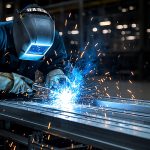
Components are joined together through welding to form the final product
Finishing Touches
Polishing, cleaning, and applying protective coatings or paint to the final product
Emerging Technologies in Metal Fabrication
The metal fabrication industry has undergone significant transformations with the advent of emerging technologies. Some of these technologies include:
3D Printing
Allows for the creation of complex geometries and customized products
CNC Machining
Enables high-precision cutting and shaping of metal components
Robotics
Streamlines the fabrication process through automation and increased efficiency
| Technology | Description | Benefits |
|---|---|---|
| 3D Printing | Creates complex geometries and customized products | Increased design flexibility, reduced material waste |
| CNC Machining | High-precision cutting and shaping of metal components | Improved accuracy, increased efficiency |
| Robotics | Automates the fabrication process | Increased productivity, reduced labor costs |
Industry Trends and Sustainability
The metal fabrication industry is shifting towards sustainability, with a focus on reducing waste and using eco-friendly materials. This is driven by increasing environmental concerns and regulatory requirements. Some of the key trends in the industry include:
Use of Recycled Materials
Reducing waste and conserving natural resources
Energy-Efficient Processes
Minimizing energy consumption and reducing carbon footprint
Lean Manufacturing
Optimizing production processes to reduce waste and improve efficiency
Bottom Line
In conclusion, the metal fabrication industry is undergoing significant transformations with the advent of emerging technologies and shifting industry trends. As the industry continues to evolve, it is essential to adopt sustainable practices and leverage technologies like 3D printing, CNC machining, and robotics to improve efficiency, reduce waste, and support environmental goals. With a focus on innovation and sustainability, the metal fabrication industry is poised for growth and development, meeting the demands of various sectors and contributing to the global economy.