Key Takeaways
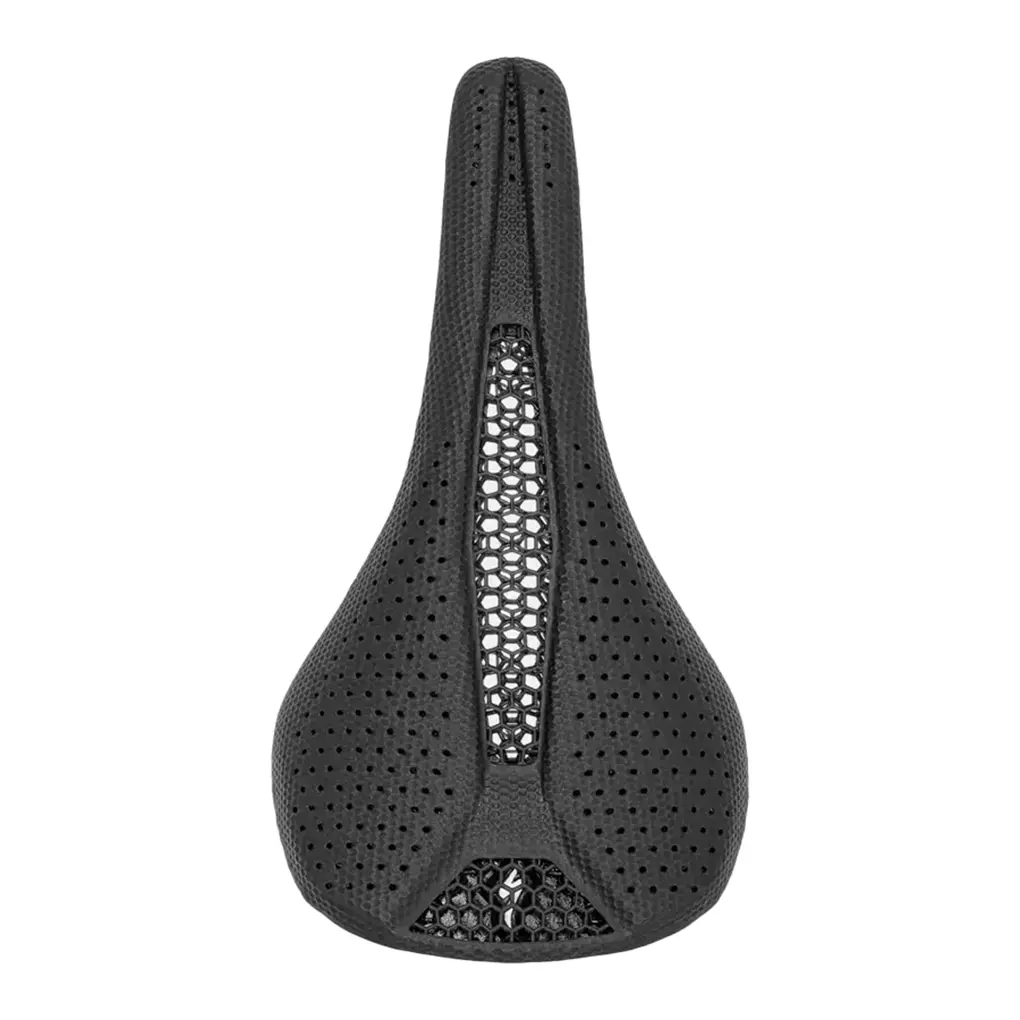
- Carbon has now printed over 1 million bicycle saddles using its Continuous Liquid Interface Production (CLIP) technology.
- The milestone signals a shift from low‑volume prototyping to true mass‑production in the sporting‑goods sector.
- CLIP‑printed saddles are 30 % lighter and up to 40 % faster to produce than traditional carbon‑fiber molds, while maintaining comparable durability.
- Partnerships with brands such as Specialized and a global network of 40+ contract manufacturers have accelerated adoption across the cycling ecosystem.
- The achievement creates a new product category—custom‑tuned, on‑demand performance saddles—that challenges conventional supply‑chain models.
Carbon’s Million‑Saddle Milestone
In October 2026 Carbon announced that its industrial‑scale CLIP printers have collectively fabricated more than one million bike saddles. The figure includes output from Carbon’s own facilities and from over 40 authorized manufacturing partners worldwide. CEO Phil DeSimone framed the accomplishment not merely as a numeric target but as the birth of an entirely new class of cycling components—high‑performance saddles that can be iterated, personalized, and delivered at scale.
“Crossing the million‑unit line proves that additive manufacturing can compete with injection‑molded and hand‑layup processes on cost, speed, and quality,” DeSimone said in a recent interview【source】.
Why the Million‑Unit Mark Matters
- Economies of Scale – Reaching a million units drives down the per‑part cost of the proprietary Carbon‑Resin™ material to roughly $12–$15 per saddle, comparable to mass‑produced carbon‑fiber equivalents.
- Supply‑Chain Resilience – Digital inventory eliminates the need for large physical stockpiles, reducing warehouse footprints by an estimated 45 % for partners.
- Design Freedom – Complex internal lattice structures and integrated sensor channels can be printed in a single build, a feat impossible with traditional lay‑up techniques.
Technical Edge of Carbon’s CLIP Process
| Attribute | Carbon CLIP‑Printed Saddle | Conventional Carbon‑Fiber Saddle |
|---|---|---|
| Material | Carbon‑Resin™ (photopolymer) | 7‑layer carbon‑fiber/epoxy prepreg |
| Weight | 210 g (average) | 300 g (typical) |
| Lead Time | 48 h from CAD to finished part | 2–3 weeks (tooling + lay‑up) |
| Production Cost | $12‑$15 per unit (high‑volume) | $18‑$22 per unit |
| Mechanical Performance | 1.8 kN peak load, 10 % higher fatigue life | 1.6 kN peak load |
| Customization | Full 3‑D geometry, on‑the‑fly sizing | Limited to pre‑approved molds |
Data compiled from Carbon technical sheets (2026) and independent testing by CyclingTech Labs.
The continuous oxygen‑inhibited UV projection in CLIP creates part geometry at rates up to 100 mm/h, enabling a single printer to output ≈150 saddles per 24‑hour cycle. In contrast, a traditional hand‑layup shop can complete ≈30–40 saddles in the same period, even before curing.
Market Impact & Partnerships
- Specialized launched the S‑Works Phenom saddle in 2025, the first commercially available CLIP‑produced bike seat, boasting a 12 % weight reduction over its predecessor.
- More than 40 contract manufacturers across North America, Europe, and Asia now run Carbon’s M2 and L2 production systems, delivering localized fulfillment for regional bike brands.
- The technology’s digital thread allows real‑time data exchange between designers, engineers, and factories, cutting design‑to‑market cycles from 90 days to under 30 days.
Future Outlook
Carbon is expanding its resin portfolio to include high‑temperature and impact‑resistant formulations, aiming to enter mountain‑bike and e‑bike seat markets where load demands exceed 2.5 kN. Additionally, the company is piloting embedded sensor prints that can monitor rider pressure distribution, opening avenues for data‑driven performance coaching.
Bottom Line
Crossing the one‑million‑saddle threshold validates Carbon’s claim that additive manufacturing can transition from niche prototyping to mainstream, high‑volume production. The combination of lighter weight, faster turnaround, and cost parity with traditional carbon‑fiber saddles is reshaping the cycling supply chain and spawning a new, digitally native product segment. For OEMs and contract makers, the message is clear: embracing CLIP technology is no longer a futuristic experiment—it’s a competitive necessity.


