Key Takeaways
- The additive manufacturing industry is shifting from technology-driven growth to application-led, commercially viable business models
- The workforce is becoming more balanced, with the growth of the workforce outpacing the creation of new roles
- Companies are changing how hiring decisions are made, and professionals are re-evaluating how career moves are assessed
- The industry is entering a more mature phase, defined by operational discipline, production scalability, and increasing competition
Introduction to the Shift in Additive Manufacturing
The additive manufacturing industry is undergoing a significant transformation, marked by a shift from rapid innovation and expansion to a more mature phase. This change is characterized by a focus on operational discipline, production scalability, and increasing competition around real-world applications. As a result, the workforce dynamics that once defined the industry are beginning to shift.
Workforce Dynamics and Industry Conferences
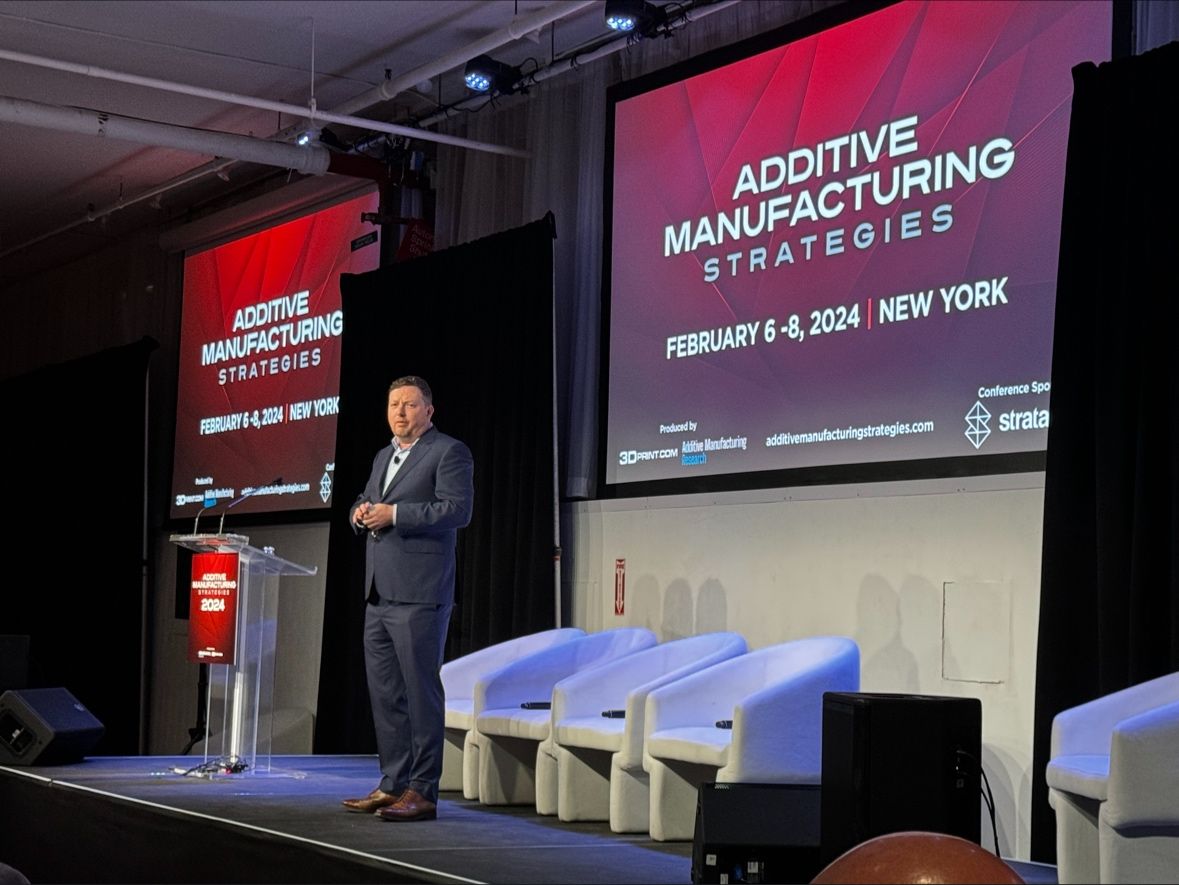
Recent conferences, such as the Additive Manufacturing Strategies (AMS 2026) and AM Forum Berlin, have highlighted the changing workforce landscape. Data from Alexander Daniels Global shows that the market is moving into a new phase of maturity, with slower job creation, rising talent competition, and a shift in demand toward production and customer-facing roles. The TCT 3Sixty conference in the UK has also added a Workforce and AM Skills track, demonstrating the growing importance of workforce structure and talent development in the industry.
Comparison of Workforce Trends
| Trend | Description | Impact on Industry |
|---|---|---|
| Slower job creation | Decrease in new job openings | Increased competition for available roles |
| Rising talent competition | Growing demand for skilled professionals | Higher salaries and benefits for in-demand talent |
| Shift to production and customer-facing roles | Increased focus on operational efficiency and customer satisfaction | Greater emphasis on skills development and training |
Implications for Companies and Professionals
The shifting workforce dynamics have significant implications for both companies and professionals in the additive manufacturing industry. Companies must adapt their hiring strategies to focus on targeted, operationally focused growth, while professionals must re-evaluate their career moves and develop skills that are in high demand. According to recent data, the growth of the workforce is outpacing the creation of new roles, resulting in a more balanced and competitive market.
Bottom Line
The additive manufacturing industry is entering a new phase of maturity, marked by a shift from rapid innovation and expansion to a focus on operational discipline, production scalability, and increasing competition. As the workforce dynamics continue to evolve, companies and professionals must adapt to the changing landscape, prioritizing skills development, targeted hiring, and operationally focused growth to remain competitive in the industry. With the growth of the workforce outpacing the creation of new roles, the industry is expected to see a 15% increase in competition for available roles over the next 2 years, making it essential for companies to develop effective hiring strategies and for professionals to develop in-demand skills.


