Key Takeaways
- 3D printing is moving beyond prototyping and into real production environments across various sectors
- Scaling 3D printing requires more than just adopting the technology, it demands a repeatable and cost-effective production process
- Choosing the right applications, selecting suitable materials, and building a roadmap aligned with business goals are crucial for successful scaling
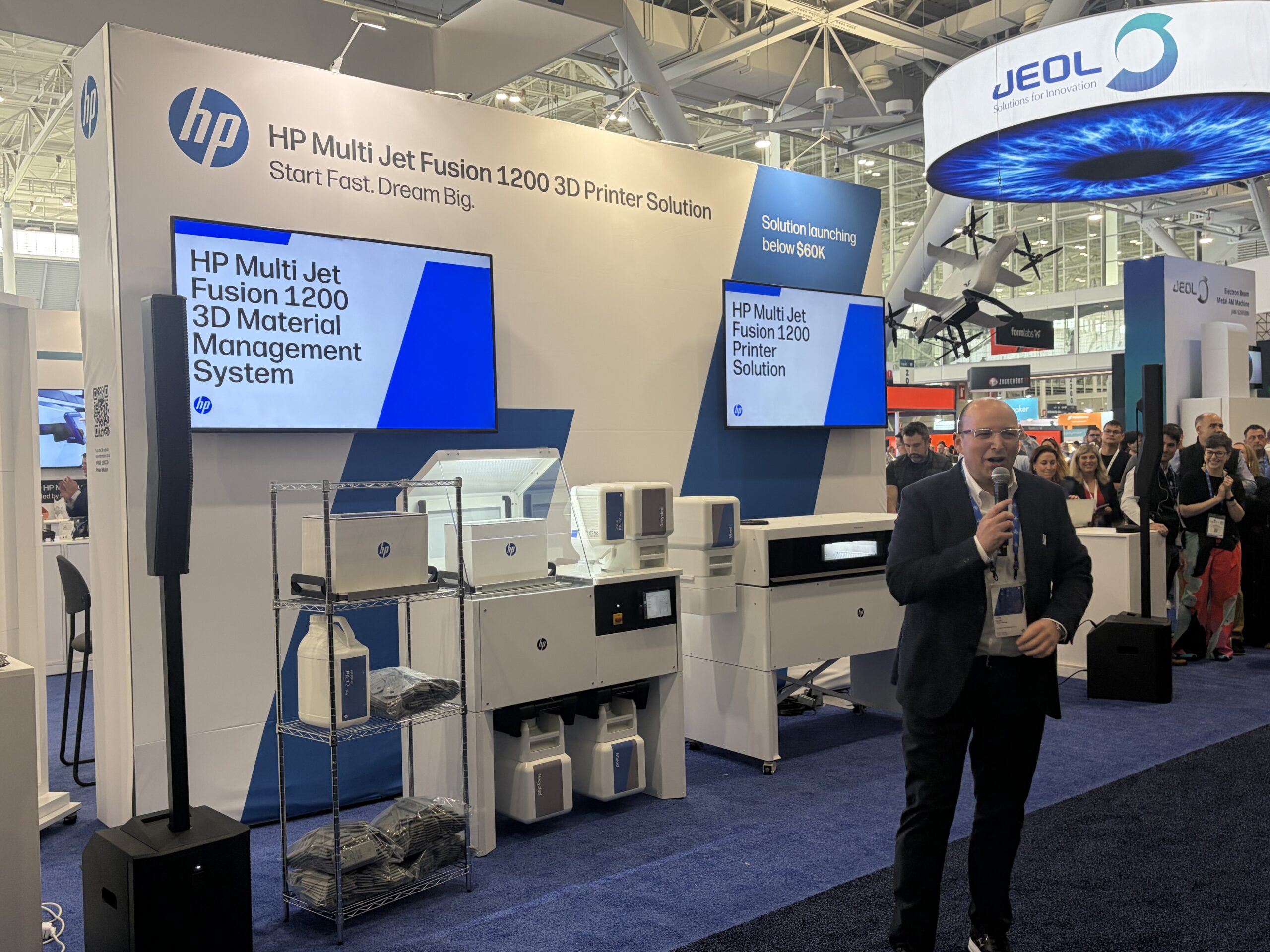
- HP's upcoming webinar, "Systematizing Your Production: The Final Step in AM Maturity," aims to address the challenges of scaling 3D printing
Introduction to Scaling 3D Printing
3D printing has come a long way since its inception, and most manufacturers are now aware of its capabilities and potential applications. However, the gap between experimentation and actual production remains a significant challenge for many companies. To bridge this gap, it's essential to develop a repeatable and cost-effective production process.
The Challenge of Scaling 3D Printing
Additive manufacturing has proven its ability to create complex, high-performance parts with reduced material usage and increased design freedom. Nevertheless, turning this into a consistent and repeatable production process remains a hurdle for many organizations. The industry is moving towards addressing this challenge, with companies like HP taking the lead.
HP's Webinar: Systematizing Your Production
HP's upcoming webinar, "Systematizing Your Production: The Final Step in AM Maturity," scheduled for May 5, 2026, aims to provide insights into the practical aspects of scaling 3D printing. The session will focus on choosing the right applications, selecting materials that perform well in real-world conditions, and building a roadmap aligned with business goals. The webinar will be led by Dustin Kloempken, HP 3D Printing Application Engineer, and Josh Almeter, who manages 3D printing operations at HP's Americas Product Completion Center (APCC).
Comparison of 3D Printing Technologies
| Technology | Material Usage | Design Freedom | Production Speed |
|---|---|---|---|
| Fused Deposition Modeling (FDM) | 90% | High | Medium |
| Stereolithography (SLA) | 95% | High | Fast |
| Selective Laser Sintering (SLS) | 85% | Medium | Fast |
Practical Considerations for Scaling 3D Printing
To scale 3D printing successfully, companies must consider the following factors:
- Choosing the right applications: identifying areas where 3D printing can add value and improve production efficiency
- Selecting suitable materials: ensuring that materials perform well in real-world conditions and meet production requirements
- Building a roadmap: aligning 3D printing efforts with business goals and developing a strategy for implementation and scaling
Bottom Line
Scaling 3D printing requires a deep understanding of the technology, its applications, and the practical considerations involved. HP's webinar, "Systematizing Your Production: The Final Step in AM Maturity," offers valuable insights into the challenges and opportunities of scaling 3D printing. By addressing the gap between experimentation and production, companies can unlock the full potential of additive manufacturing and achieve consistent, repeatable, and sustainable production processes. With the right strategy and implementation, 3D printing can become an integral part of production, driving innovation, efficiency, and growth in various industries.


