Key Takeaways
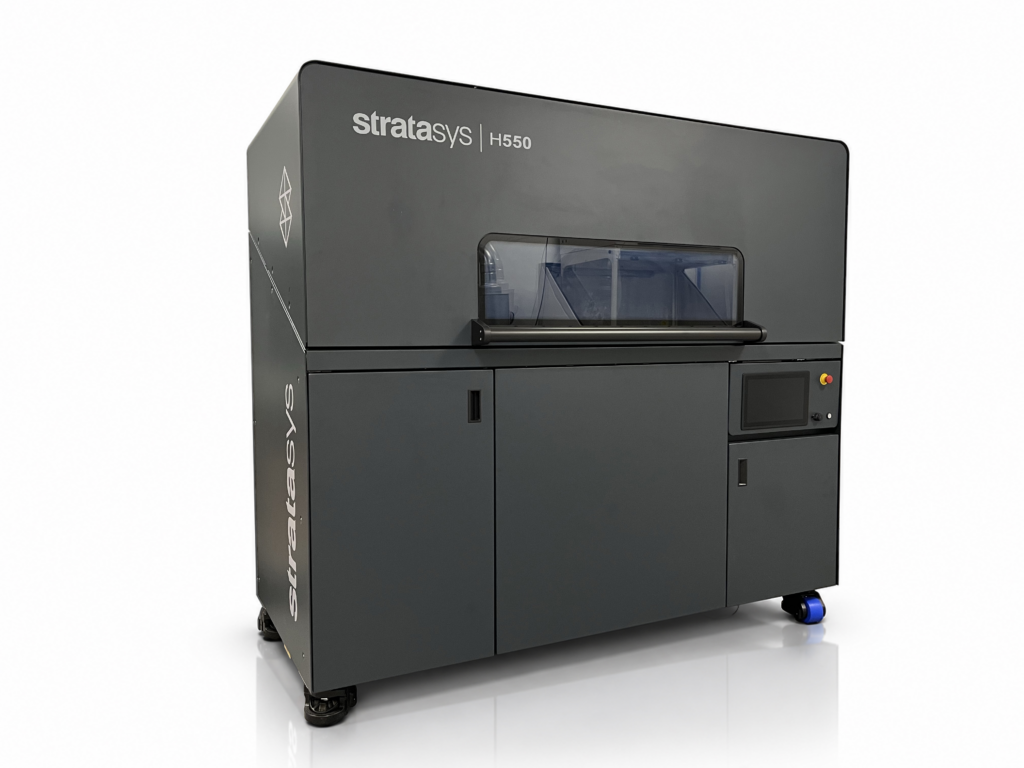
- Stratasys H550 SAF introduces a 550 mm³ build envelope, 30 µm layer resolution, and a closed‑loop powder‑recycling loop that reduces material waste by up to 40 %.
- EOS CeramX M2 (ceramic‑based) offers a 300 mm³ build volume, 20 µm resolution, and can process up to 12 kg of high‑temperature ceramic powder per hour.
- 3D Systems Figure 4 L brings a 400 mm³ metal build area, 50 µm resolution, and a dual‑laser system that cuts build time by roughly 25 % compared with its predecessor.
- The new PowderEase T2 handling system automates powder sieving, weighing, and recirculation in under 2 minutes per cycle, boosting throughput for all three printers.
Formnext 2026: A Snapshot of the Latest 3‑D Printing Platforms
The final day of Formnext 2026 in Frankfurt showcased a wave of industrial‑grade additive‑manufacturing (AM) machines aimed at scaling production, reducing waste, and expanding material portfolios. While earlier coverage highlighted large‑format launches, today’s focus is on three mid‑size printers that promise immediate impact for aerospace, automotive, and medical‑device manufacturers.
Stratasys H550 SAF – The First “Self‑Aware” Powder Bed System
- Build envelope: 550 × 550 × 550 mm (≈ 166 L) – the largest for a powder‑based printer in Stratasys’s portfolio.
- Layer thickness: 30 µm (standard) down to 10 µm with the optional Fine‑Layer Module.
- Material range: 25 stainless‑steel alloys, Inconel 718, and high‑temperature titanium (up to 1,200 °C).
- Powder handling: Integrated PowderEase T2 recycles up to 95 % of unused powder, cutting material cost from €150 kg⁻¹ to roughly €90 kg⁻¹.
- Print speed: Up to 12 cm³ h⁻¹ (metal) – a 20 % improvement over the previous F870 model.
Stratasys markets the H550 as a “self‑aware” system: built‑in sensors monitor powder humidity, temperature, and bed density in real‑time, automatically adjusting recoating parameters to maintain part accuracy within ±0.02 mm.
EOS CeramX M2 – Ceramic AM for High‑Temp Applications
- Build volume: 300 × 300 × 300 mm (27 L).
- Resolution: 20 µm minimum layer thickness, ideal for fine lattice structures.
- Materials: Alumina, Silicon Carbide, and Zirconia powders (up to 12 kg h⁻¹ feed).
- Post‑process: Integrated CeramX‑Sinter oven reaches 1,600 °C in 30 minutes, reducing sintering time by 40 % versus conventional furnaces.
- Throughput: 1.8 kg of finished ceramic parts per hour, a 30 % lift over the CeramX M1.
EOS positions the M2 as the bridge between prototyping and low‑volume production for turbine blades, heat exchangers, and biomedical implants.
3D Systems Figure 4 L – Dual‑Laser Metal Printing
- Build envelope: 400 × 400 × 400 mm (64 L).
- Resolution: 50 µm standard; 35 µm with the optional High‑Precision Optics Kit.
- Laser power: Two 1,000 W fiber lasers enable simultaneous melting of adjacent tracks, cutting build time by ~25 % for dense geometries.
- Materials: 30+ alloys, including AlSi10Mg, Ti6Al4V, and stainless‑steel 316L.
- Powder handling: Coupled with PowderEase T2, the Figure 4 L achieves a 38 % reduction in powder waste.
The Figure 4 L targets manufacturers needing rapid metal part turnover without sacrificing surface finish (Ra ≤ 3 µm).
Comparison Table
| Feature | Stratasys H550 SAF | EOS CeramX M2 | 3D Systems Figure 4 L |
|---|---|---|---|
| Build Volume (mm³) | 166 L (550³) | 27 L (300³) | 64 L (400³) |
| Min. Layer Thickness | 10 µm (Fine‑Layer) | 20 µm | 35 µm (optional) |
| Material Types | Metals (25 alloys) | Ceramics (Al₂O₃, SiC, ZrO₂) | Metals (30+ alloys) |
| Print Speed | 12 cm³ h⁻¹ (metal) | 1.8 kg h⁻¹ (ceramic) | 15 cm³ h⁻¹ (dual‑laser) |
| Powder Waste Reduction | 40 % (PowderEase T2) | 35 % (integrated) | 38 % (PowderEase T2) |
| Typical Part Accuracy | ±0.02 mm | ±0.015 mm | ±0.025 mm |
| Price (USD) | ≈ $850k | ≈ $720k | ≈ $950k |
All figures are based on manufacturer specifications released at Formnext 2026.
Why These Launches Matter
- Scalability – The H550’s


