Key Takeaways
- The additive manufacturing (AM) industry has started to deliver on its promises in certain market segments, particularly in the defense sector.
- The US defense industrial base has adjusted its posture to incorporate AM capabilities, driven by the need for rapid innovation and production.
- Companies like Nikon Advanced Manufacturing are playing a crucial role in developing ultra-large-format metal 3D printers for defense applications.
- The use of AM in defense has accelerated due to the need for rapid production of complex components, such as those used in drones and rocket motors.
Introduction to Additive Manufacturing in Defense
The additive manufacturing industry has faced criticism for its hype outpacing its performance, but recent developments in the defense sector have shown that the technology is starting to deliver on its promises. The defense industry has long been a driver of innovation, and the current conflicts have accelerated the adoption of AM.
The Role of Nikon Advanced Manufacturing
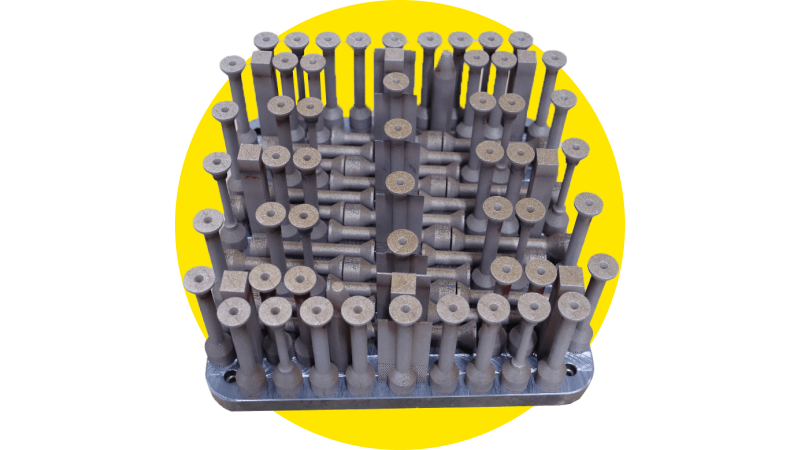
Nikon Advanced Manufacturing, led by CEO Hamid Zarringhalam, is one of the companies at the forefront of this development. The company is producing specialized, ultra-large-format metal 3D printers that meet the stringent requirements of the US defense industry. These printers are capable of producing complex components, such as those used in aerospace applications, with high precision and accuracy.
Comparison of Additive Manufacturing Technologies
| Technology | Resolution | Build Volume | Material |
|---|---|---|---|
| SLM®280 2.0 Twin 700W | 50-100 μm | 280x280x360 mm | GRCop-42 |
| Electron Beam Melting (EBM) | 100-200 μm | 200x200x400 mm | Ti-6Al-4V |
| Selective Laser Sintering (SLS) | 50-100 μm | 300x300x600 mm | AlSi10Mg |
The Impact of Additive Manufacturing on Defense
The use of AM in defense has accelerated due to the need for rapid production of complex components. The technology has enabled the production of components with complex geometries, such as those used in drones and rocket motors. The use of AM has also reduced the lead time for production, enabling the defense industry to respond quickly to changing requirements.
Conclusion
The adoption of additive manufacturing in the defense sector has been driven by the need for rapid innovation and production. Companies like Nikon Advanced Manufacturing are playing a crucial role in developing the technologies and capabilities required to meet the demanding requirements of the defense industry.
Bottom Line
The additive manufacturing industry has finally started to deliver on its promises, particularly in the defense sector. With the ability to produce complex components with high precision and accuracy, AM is set to play a major role in the future of defense manufacturing. As the technology continues to evolve, we can expect to see further adoption and innovation in the years to come, with companies like Nikon Advanced Manufacturing at the forefront of this development.


