Key Takeaways
- 3D printing technology is being increasingly adopted in the cycling industry for its ability to produce customized, lightweight, and high-performance components.
- Companies such as Fizik and Carbon are already using 3D printing to produce custom bike saddles, while others like Kask are using it to create helmets and other gear.
- The high cost of high-end bikes, with prices ranging from $6,000 to $25,000, makes 3D printing a viable option for producing customized components.
- Professional cyclists like Tadej Pogačar are already using 3D printed parts on their bikes, including custom holders, buttons, and clips.
- The triathlon world is also seeing the emergence of companies that produce custom 3D printed parts for triathlon bikes, with a focus on weight reduction and customization.
Introduction to 3D Printing in Cycling
The cycling industry has seen a significant increase in the adoption of 3D printing technology in recent years. This is largely due to the ability of 3D printing to produce customized, lightweight, and high-performance components that can enhance the overall riding experience. One of the most successful implementations of 3D printing in cycling is in the production of bike saddles. Companies such as Fizik and Carbon are already using 3D printing to produce custom saddles that provide riders with improved comfort and performance.
Customization and Weight Reduction
3D printing technology allows for the production of customized components that can be tailored to an individual rider's needs. This can include components such as wheel hubs, derailleur components, and entire frames. The use of 3D printing also enables the production of components with complex geometries and unique topologies, which can help to reduce weight and improve aerodynamics. For example, a 3D printed bike saddle can be designed with a specific topology that provides improved comfort and support for the rider.
Comparison of 3D Printing Technologies
| Technology | Material | Weight Reduction | Cost |
|---|---|---|---|
| Fused Deposition Modeling (FDM) | Thermoplastics | Up to 20% | $500-$1,000 |
| Selective Laser Sintering (SLS) | Nylon, aluminum | Up to 30% | $1,000-$3,000 |
| Stereolithography (SLA) | Resin | Up to 40% | $2,000-$5,000 |
Professional Adoption
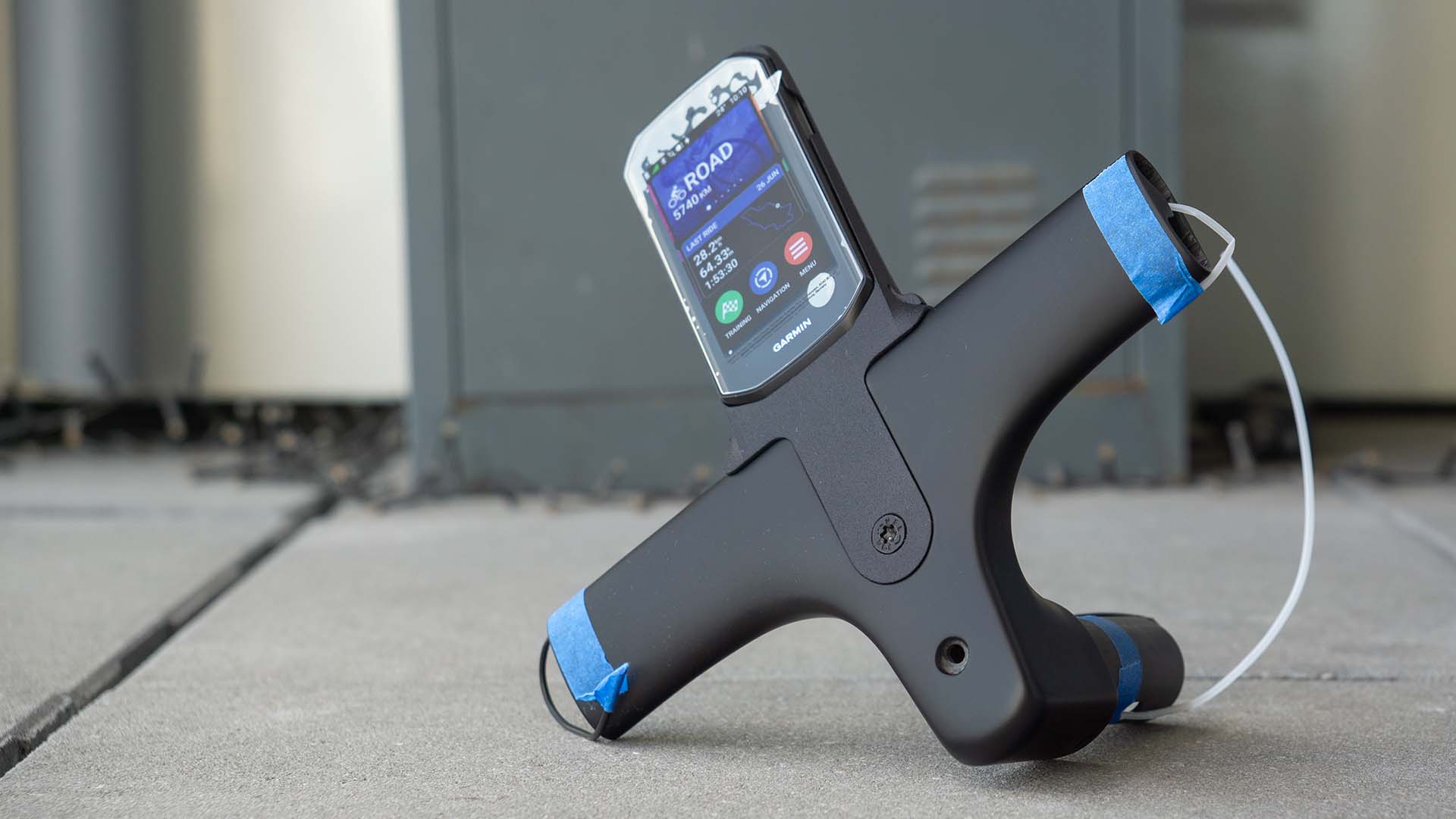
Professional cyclists like Tadej Pogačar are already using 3D printed parts on their bikes. Pogačar's team uses 3D printing to produce custom holders, buttons, and clips that help to customize his bike's cockpit and wiring. This approach allows for the production of lightweight, customized components that can be made on desktop 3D printers.
Triathlon Success
The triathlon world is also seeing the emergence of companies that produce custom 3D printed parts for triathlon bikes. Companies such as 4 Frames are producing custom parts such as Garmin seat post mounts that can be tailored to an individual rider's needs. These components are designed to be lightweight and aerodynamic, making them ideal for triathletes who are looking to gain a competitive edge.
Bottom Line
The adoption of 3D printing technology in the cycling industry is likely to continue, driven by the demand for customized, lightweight, and high-performance components. With the ability to produce complex geometries and unique topologies, 3D printing is set to play a major role in the production of bike components in the future. As the technology continues to evolve, we can expect to see more companies emerging that specialize in the production of custom 3D printed parts for bikes, and more professional cyclists and triathletes adopting this technology to gain a competitive edge.


