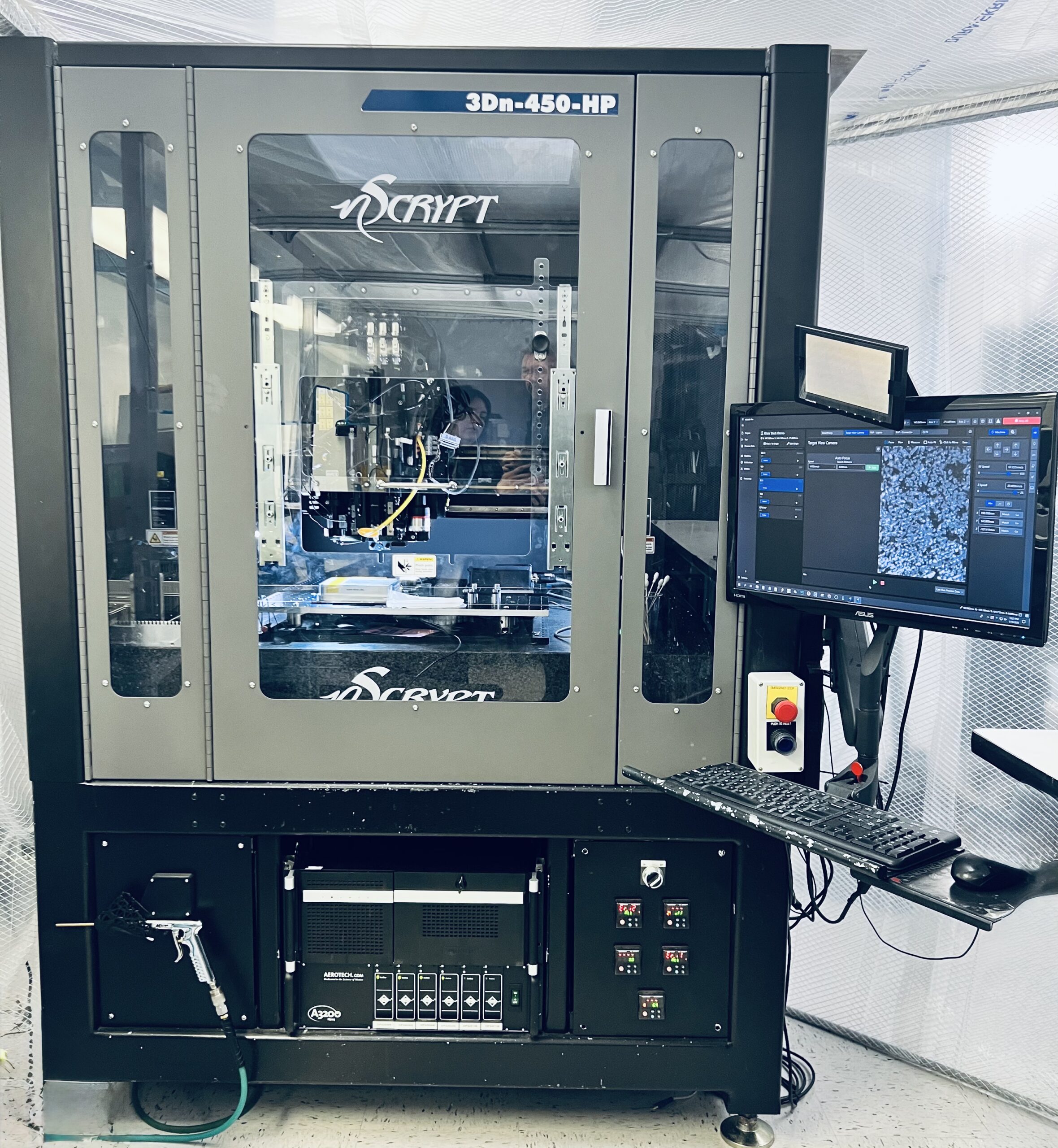
Key Takeaways
- Additive electronics has been slow to materialize due to fundamental challenges, not lack of investment or ambition
- The industry has struggled to translate early demonstrations into real-world performance and viable manufacturing
- Additive systems face competition from traditional electronics manufacturing, which has had decades of refinement
- Materials and performance have been major hurdles for additive electronics
- nScrypt's CEO, Ken Church, highlights the need for sustainable development and real-world performance in additive electronics
Introduction to Additive Electronics
Additive electronics, also known as 3D printed electronics, has been a promising field for years, with the idea of printing circuits directly where they are needed. However, the reality has been slower to materialize than expected. According to Ken Church, CEO of nScrypt, the delay is not due to a lack of investment or ambition, but rather due to fundamental challenges.
The Challenges of Additive Electronics
The industry has struggled to translate early demonstrations into real-world performance and viable manufacturing. Church notes that "the cool factor carries you to a point, but not a sustainable point." Early demonstrations were often impressive, but they did not always translate into real-world performance or viable manufacturing. The industry could generate excitement, but it struggled to generate adoption.
Comparison of Additive Electronics and Traditional Electronics Manufacturing
| Additive Electronics | Traditional Electronics Manufacturing | |
|---|---|---|
| Materials | Limited material options, performance issues | Well-established material options, high performance |
| Performance | Struggles to match traditional electronics | High performance, refined over decades |
| Cost | High cost, limited scalability | Lower cost, high scalability |
| Complexity | Can produce complex geometries and structures | Limited to flat, 2D structures |
The Roots of Additive Electronics
The effort to develop additive electronics dates back to the late 1990s, when DARPA began pushing for the development of additive electronics. At the time, the expectations were aggressive, with researchers asked to print fine-feature electronics, including resistors, capacitors, inductors, and antennas, on unconventional substrates such as paper. The technical progress was real, but once the programs ended, the industry was left to stand on its own, and reality set in.
The Way Forward
Church highlights the need for sustainable development and real-world performance in additive electronics. The industry needs to focus on developing materials and systems that can compete with traditional electronics manufacturing. With the advancement of technology and the development of new materials, additive electronics is finally finding its fit.
Bottom Line
Additive electronics has been slow to materialize due to fundamental challenges, but the industry is finally finding its fit. With the advancement of technology and the development of new materials, additive electronics is poised to revolutionize the way we manufacture electronics. As Ken Church notes, "the industry could generate excitement, but it struggled to generate adoption." Now, with a focus on sustainable development and real-world performance, additive electronics is ready to take its place in the world of electronics manufacturing.


