Key Takeaways
- A YouTube channel, It's Triggy, has created a low-cost medical device, a multi-channel pipette system, for $250 in parts, significantly reducing the cost of a commercially available system that costs $18,000.
- The device, a 96-well plate pipetting robot, can be used for medical tests, such as mixing and handling pipettes, and is a workhorse in R&D labs and hospitals.
- The project's CAD, explanation, and firmware are available on GitHub, making it accessible to others who want to create their own low-cost medical devices.
- There are various types of pipetting robots available, ranging from simple, manual units to advanced, automated systems, with prices varying from a few hundred dollars to over $40,000.
Introduction to Low-Cost Medical Devices
The high cost of medical devices can be a significant barrier to access, particularly in resource-constrained settings. However, with the help of 3D printing and open-source technologies, it is possible to create low-cost medical devices that can perform similar functions to their commercial counterparts.
The It's Triggy Project
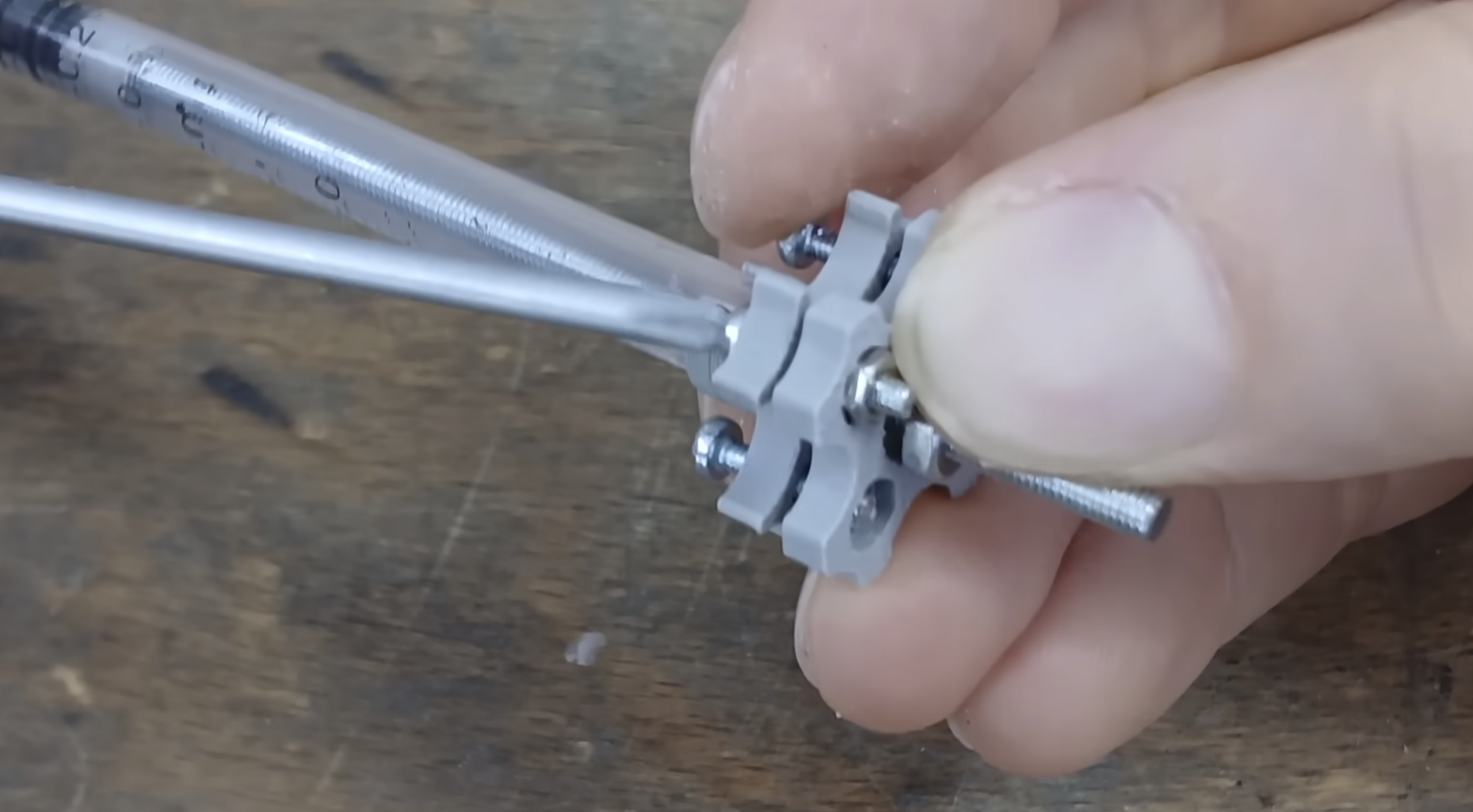
The It's Triggy YouTube channel has taken on the challenge of creating a low-cost medical device, a multi-channel pipette system, which is typically used in medical tests. The commercially available system costs $18,000, but It's Triggy was able to create a functional device for $250 in parts using 3D printing. The resulting device is a 96-well plate pipetting robot that can be used to mix and handle pipettes for medical tests.
Comparison of Pipetting Robots
| Device | Price | Features |
|---|---|---|
| Commercial Pipette System | $18,000 | Automated, 96-well plate |
| It's Triggy Pipette System | $250 | Automated, 96-well plate, 3D printed |
| Manual Pipette System | $100-$500 | Manual, 96-well plate |
| OT2 Open Source Pipette System | $16,000 | Automated, 96-well plate, open source |
| Advanced Pipette System | $10,000-$40,000 | Automated, modular, robot arms |
Applications of Pipetting Robots
Pipetting robots are workhorses in R&D labs and hospitals, and are used for a variety of tasks, including:
- Mixing and handling pipettes for medical tests
- Diluting samples
- Placing cell cultures
- Adding reagents
- Handling DNA tests used by law enforcement and for ancestry testing
Bottom Line
The creation of low-cost medical devices, such as the It's Triggy pipette system, has the potential to significantly reduce the cost of medical testing and increase access to healthcare. With the help of 3D printing and open-source technologies, it is possible to create functional medical devices at a fraction of the cost of commercial systems. This can have a major impact on healthcare, particularly in resource-constrained settings, and can help to democratize access to medical testing and treatment.