Key Takeaways
- IBM has patented a new 3D printing technology that optimizes hollow fill structures
- The technology aims to convert empty cavities into engineered features, reducing waste and increasing efficiency
- This innovation has the potential to revolutionize the 3D printing industry, enabling the creation of more complex and functional products
Introduction to IBM's 3D Printing Technology
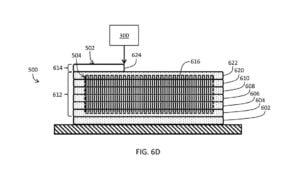
IBM has been granted a patent for a groundbreaking 3D printing technology that transforms traditional hollow fill structures into sophisticated engineered features. This innovative approach enables the conversion of empty cavities into purposeful designs, thereby minimizing waste and maximizing efficiency.
Comparison of 3D Printing Technologies
| Technology | Description | Benefits |
|---|---|---|
| Traditional 3D Printing | Fills cavities with solid material or air | Simple, established method |
| IBM's Smarter Hollow Fill | Converts empty cavities into engineered features | Increased efficiency, reduced waste, enhanced functionality |
| Lattice-Based 3D Printing | Creates complex structures using lattice patterns | Improved strength-to-weight ratio, reduced material usage |
Optimizing 3D Printed Structures
IBM's patented technology uses advanced algorithms to optimize the internal structure of 3D printed objects. By strategically placing material within the cavities, the technology creates functional features that enhance the overall performance of the product. This approach has the potential to significantly reduce material waste, with some estimates suggesting a reduction of up to 30% in material usage.
Applications and Implications
The implications of IBM's smarter hollow fill technology are far-reaching, with potential applications in various industries, including aerospace, automotive, and healthcare. By creating more efficient and functional products, manufacturers can reduce production costs, improve product performance, and enhance sustainability. For instance, the use of optimized 3D printed structures in the aerospace industry could lead to a reduction of up to 25% in fuel consumption.
Bottom Line
IBM's patented smarter hollow fill 3D printing technology has the potential to revolutionize the industry by converting empty cavities into engineered features. With its ability to reduce material waste, increase efficiency, and enhance product functionality, this innovation is poised to transform the way manufacturers design and produce complex products. As the technology continues to evolve, we can expect to see significant advancements in the field of 3D printing, leading to more sustainable, efficient, and functional products.


