Key Takeaways
- HP aims to transition 3D printing from a novelty to a reliable production technology
- The company seeks to integrate additive manufacturing (AM) alongside traditional methods like injection molding
- AM is already producing large volumes of customized parts in industries like orthotics and prosthetics
- Distributed production facilities using multiple printers are manufacturing hundreds of thousands of end-use products
- Standardization and scalability are crucial for AM to become a dependable production technology
Introduction to 3D Printing in Industrial Manufacturing
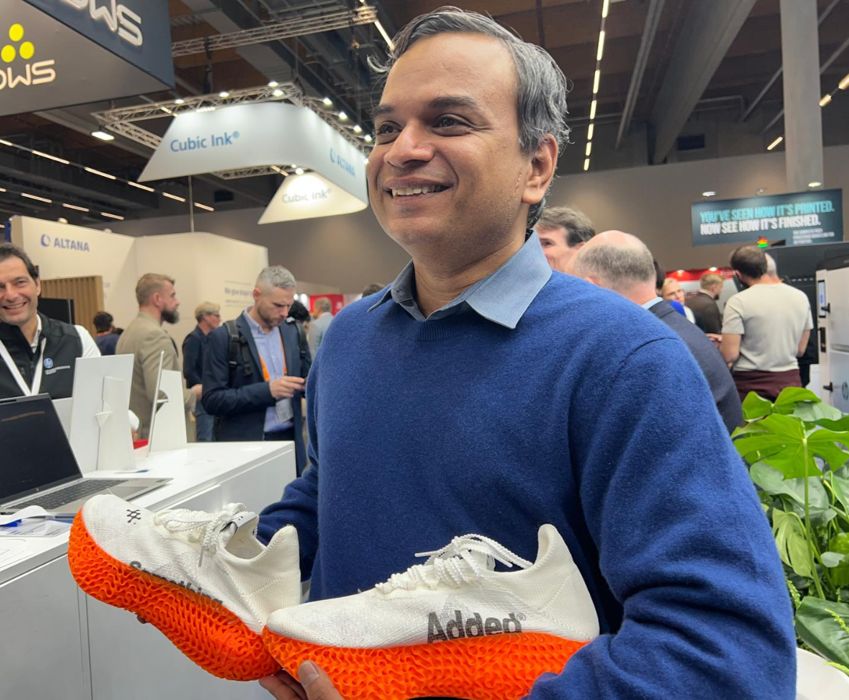
The additive manufacturing (AM) industry has long discussed its potential, but now companies like HP are focused on proving its reliability in industrial-scale production. In a recent interview, Arvind Rangarajan, Global Head of Product and Strategy for HP's additive manufacturing business, emphasized the need to move AM beyond prototyping and novelty.
Transitioning to Industrial-Scale Production
Rangarajan highlighted the importance of standardization and scalability in AM. For instance, HP's customer organizations are already manufacturing hundreds of thousands of end-use products through distributed production facilities using multiple printers. This shift towards series production is crucial for AM to become a dependable production technology.
Comparison of Traditional and Additive Manufacturing Methods
| Method | Production Volume | Customization | Lead Time |
|---|---|---|---|
| Injection Molding | High | Low | Long |
| Additive Manufacturing | Medium-High | High | Short-Medium |
| CNC Machining | Medium | Medium | Medium |
Real-World Applications of Additive Manufacturing
One notable example of AM's potential is in the production of orthotics and prosthetics. HP's customers are already producing large volumes of customized parts using distributed production facilities. This demonstrates the ability of AM to produce high-quality, end-use products at scale.
Standardization and Scalability
To achieve true scalability, AM must be able to produce consistent results across multiple printers and locations. Rangarajan emphasized the importance of standardization, stating that "you could print the same design anywhere and expect the same product quality." This level of consistency is crucial for AM to become a reliable production technology.
Bottom Line
In conclusion, HP is driving the transition of 3D printing from a novelty to a dependable production technology. By focusing on standardization, scalability, and industrial-scale production, the company aims to integrate AM alongside traditional methods like injection molding. With real-world applications like orthotics and prosthetics already demonstrating the potential of AM, it is clear that this technology is poised to revolutionize the manufacturing industry.


