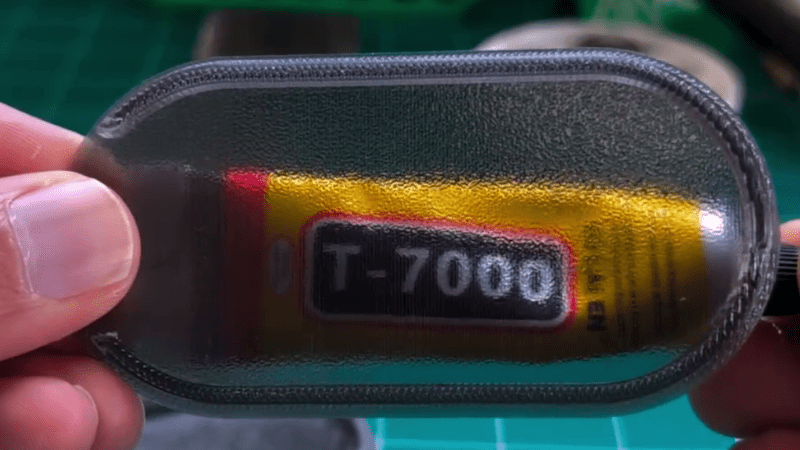
- Key Takeaways:
- PETG filament can be printed to achieve transparency with the right techniques and settings
- Tej Grewal's guide provides tips for optimizing PETG print clarity, including temperature control and infill density
- Printing with a 0.2mm layer height and 100% infill can help achieve optimal transparency
Introduction to Transparent PETG Printing
PETG (Polyethylene Terephthalate Glycol) is a versatile 3D printing filament that can be used to create a wide range of objects, from decorative items to functional parts. While PETG is often used for its durability and chemical resistance, it can also be printed to achieve a high level of transparency. However, achieving optimal transparency with PETG requires careful attention to print settings and techniques.
Optimizing Print Settings for Transparency
To print PETG with optimal transparency, it's essential to control the temperature of the print bed and the extruder. A temperature range of 220-240°C for the extruder and 60-80°C for the print bed is recommended. Additionally, using a low layer height, such as 0.2mm, can help reduce layer lines and improve clarity. The infill density also plays a crucial role in achieving transparency, with 100% infill being the most effective.
Comparison of Print Settings
| Print Setting | Recommended Value | Effect on Transparency |
|---|---|---|
| Layer Height | 0.2mm | Reduces layer lines, improves clarity |
| Infill Density | 100% | Increases transparency, reduces opacity |
| Extruder Temperature | 220-240°C | Controls melting point, affects clarity |
| Print Bed Temperature | 60-80°C | Regulates adhesion, influences transparency |
Techniques for Achieving Optimal Transparency
In addition to optimizing print settings, several techniques can be employed to enhance the transparency of PETG prints. These include:
- Using a high-quality PETG filament with minimal impurities
- Implementing a consistent and controlled printing environment
- Avoiding over-extrusion, which can lead to a cloudy or opaque appearance
Conclusion
Achieving optimal transparency with PETG filament requires careful attention to print settings and techniques. By following the guidelines outlined above, including controlling temperature, optimizing infill density, and employing techniques such as using high-quality filament and avoiding over-extrusion, it's possible to create transparent PETG prints with excellent clarity.
Bottom Line: With the right techniques and settings, PETG filament can be printed to achieve a high level of transparency, making it an excellent choice for applications where optical clarity is essential. By understanding the factors that influence transparency and optimizing print settings accordingly, users can unlock the full potential of PETG and create stunning, transparent prints.