Key Takeaways
- Customer‑first approach: GBI evaluates the application before selecting a manufacturing method.
- Full‑service offering: Combines CNC machining (Hurco) with metal LPBF (Xact Metal) and polymer extrusion.
- Broad material portfolio: Includes 400‑series steels, Inconel M300, 17‑4 PH, 316L, cobalt‑chrome, TPU, ABS, PETG, PLA, and carbon‑fiber‑reinforced polymers.
- Quality & security: ITAR‑registered, pursuing AS9100 and ISO 9001 certifications.
- Target markets: Defense, aerospace, medical, and industrial sectors that need rapid, repeatable, and value‑driven AM solutions.
Who Is Behind GBI Group?
Neil Glazebrook – From Machining Floor to AM Visionary
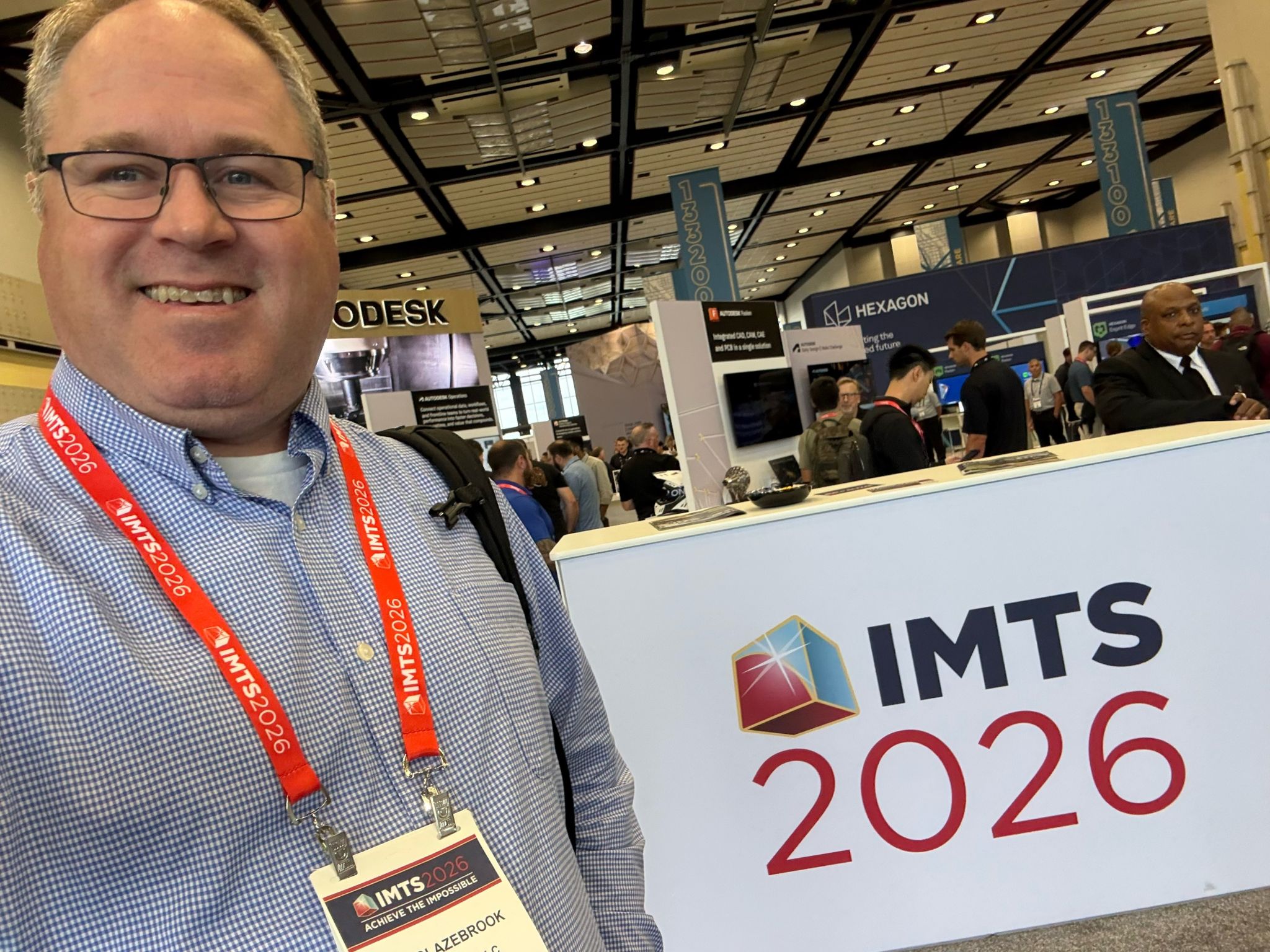
Neil Glazebrook began his career in traditional machining, later transitioning to CAD/CAM sales and product management at Cimquest. He then launched AB Corp’s 60 000 sq ft 3‑D‑printing facility in Tennessee. Drawing on more than two decades of manufacturing experience, Neil founded GBI Group in Massachusetts to act as a true manufacturing partner rather than a mere machine‑time broker.
“Customers don’t need another company selling machine time. They need a partner who knows when and how to use the technology to create value.” – Neil Glazebrook
Service Philosophy: Application‑First, Process‑Second
GBI’s workflow starts with a Design‑for‑Additive‑Manufacturing (DfAM) audit. Engineers assess part geometry, tolerances, material requirements, and production volume before recommending CNC, metal powder‑bed fusion (LPBF), or polymer extrusion. This reduces the risk of costly redesigns and shortens time‑to‑market.
Benefits of the Application‑First Model
| Metric | Traditional “Machine‑Time” Model | GBI’s Application‑First Model |
|---|---|---|
| Lead time (prototype) | 4–6 weeks | 1–3 weeks |
| Design iterations | 1–2 cycles | 3–5 cycles (guided) |
| Cost per part (low volume) | $250–$400 | $150–$250 |
| Risk of non‑functional part | 30 % | <10 % |
Sources: Internal GBI data, 2024 industry benchmarks.
In‑House Capabilities
CNC Machining – Hurco
- Control: CNC 5‑axis, spindle speeds up to 12 000 RPM.
- Tolerance: ±0.005 mm (typical).
- Typical materials: Aluminum 6061‑T6, 7075, stainless steel 304/316.
Metal LPBF – Xact Metal
- Machines: EOS M 290 (400 mm × 400 mm × 400 mm build volume).
- Layer thickness: 20–100 µm.
- Materials offered:
- Corrax® (high‑temperature alloy)
- 400‑Series steels (e.g., 4140, 4340)
- Inconel M300 (high‑strength, high‑temp)
- 17‑4 PH (precipitation‑hardening stainless)
- 316L (marine‑grade)
- Cobalt‑Chrome (biomedical)
Polymer Extrusion – Multi‑Material FFF
- Materials: TPU, ABS, PETG, PLA, carbon‑fiber‑reinforced (CF‑PETG).
- Nozzle diameters: 0.2 mm–0.8 mm.
- Layer resolution: 50–200 µm.
- Build envelope: 300 mm × 300 mm × 300 mm.
Strategic Focus Areas
| Focus | GBI Initiative | Expected Impact |
|---|---|---|
| DfAM Integration | Early‑stage geometry analysis, topology optimization | 15 % reduction in material usage |
| Mass & Cost Reduction | Hybrid builds (CNC‑+‑LPBF) | Up to 30 % lower part weight |
| Scalability | Process standardization, repeatable build parameters | 2× faster transition to production runs |
| Supply‑Chain Resilience | Domestic sourcing, ITAR compliance | Mitigates import‑delay risk for defense contracts |
Market Outlook & Compliance
- Supply‑chain volatility is prompting U.S. manufacturers to shift 20‑30 % of critical component production in‑house.
- GBI’s ITAR registration positions it for classified defense projects, while the pursuit of AS9100 (aerospace) and ISO 9001 (general quality) certifications ensures cross‑industry credibility.
Bottom Line
GBI Group, led by seasoned AM veteran Neil Glazebrook, is redefining the role of a 3‑D‑printing service provider. By placing the application analysis ahead of the technology choice, the firm delivers faster, cheaper, and more reliable parts across CNC, metal LPBF, and polymer extrusion. Its expansive material catalog, hybrid‑process capability, and rigorous quality framework make it a compelling partner for defense, aerospace, medical, and industrial customers seeking a secure, value‑driven path from concept to production.