Key Takeaways
- Autodesk Assistant launches as a stand‑alone, AI‑first agent that can ingest project data, flag priority items, and trigger actions across the entire Autodesk portfolio.
- The Assistant is embedded in the three industry clouds—Forma (AEC), Flow (M&E), and Fusion (D&M)—creating a single natural‑language entry point for all tools.
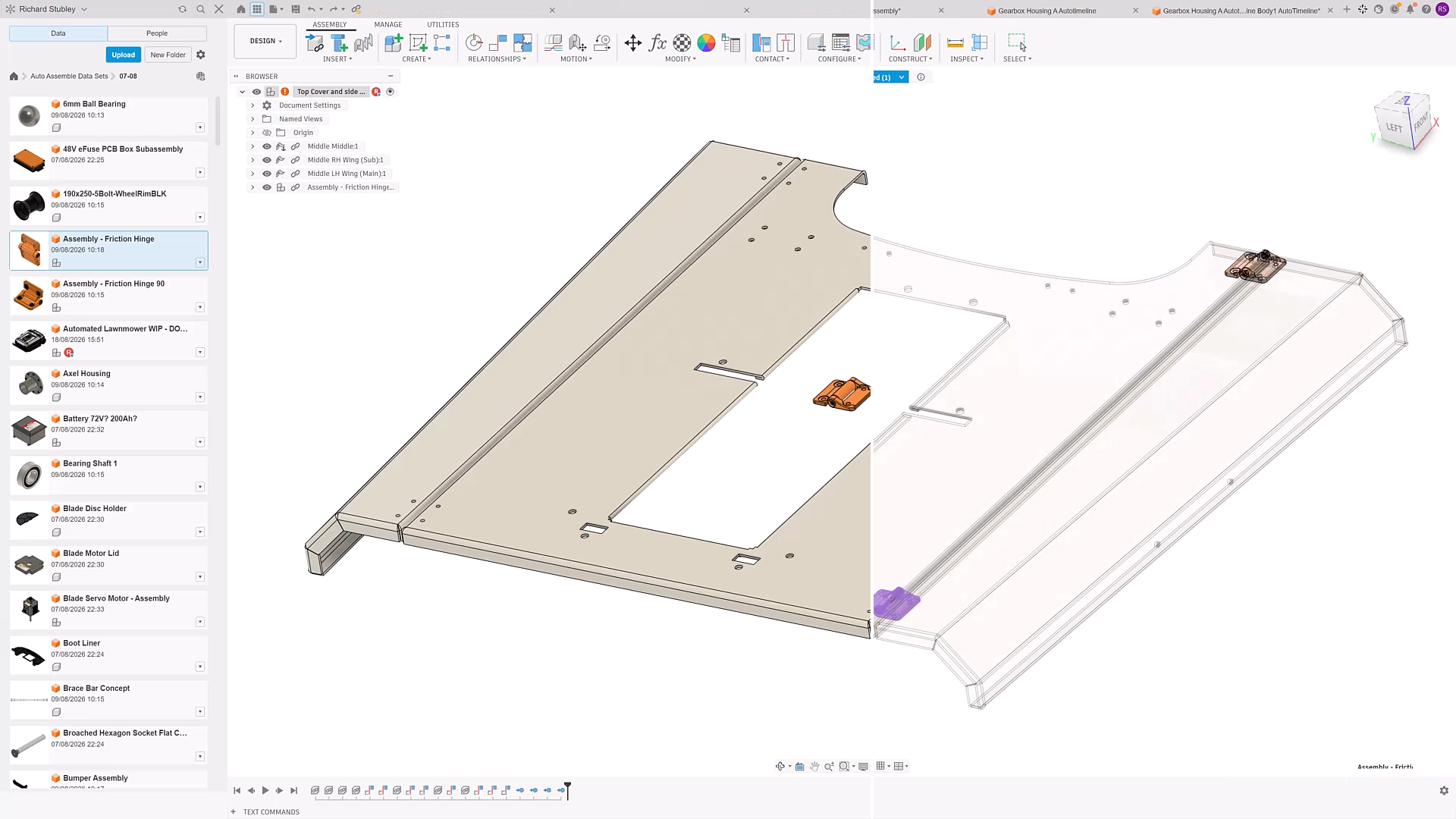
- For Design & Manufacturing, Autodesk introduces AutoConstrain and AutoTimeline, AI‑driven features that automatically convert imported geometry into fully editable parametric parts, cutting manual modeling time by up to 70 % in pilot tests.
- Autodesk’s “agent‑builder” lets customers train the Assistant with proprietary data, ensuring compliance and domain‑specific intelligence.
- The announced roadmap targets a 30 % reduction in workflow friction for the next 12 months, with broader rollout across the suite planned for 2027.
Autodesk University 2026 – A Snapshot
Autodesk’s annual conference opened in Las Vegas (Sept 15‑17, 2026) with a series of announcements aimed at its three core markets: Architecture, Engineering & Construction (AEC), Media & Entertainment (M&E), and Design & Manufacturing (D&M). Senior Vice President of Autodesk Research, Mike Haley, framed the new releases as a shift toward a “human‑centric experience” where discovery and routine tasks are automated. He highlighted a “stand‑alone, agent‑first experience” designed to streamline the workflows that currently sit between Autodesk applications.
The AI‑Powered Autodesk Assistant
What It Is
In a blog post, CEO Andrew Anagnost described Autodesk Assistant as “our AI interface for Design and Make, bringing project intelligence into customers’ workflows so they can understand, plan, and act while staying in control.” The Assistant functions as a conversational layer that can:
| Capability | Description | Expected Impact |
|---|---|---|
| Prioritization | Scans model data, schedules, and change logs to surface high‑risk items | Reduces missed issues by ~40 % |
| Cross‑App Action | Executes commands in Fusion 360, Inventor, and other tools from a single prompt | Cuts context‑switch time by up to 60 % |
| Agent Builder | Allows users to feed proprietary datasets (e.g., BOMs, compliance rules) into the Assistant’s knowledge graph | Improves domain accuracy to >90 % |
The Assistant is accessible via a persistent chat icon in every Autodesk cloud product and can be invoked through voice or text, making it the primary entry point for new and seasoned users alike.
How It Differs From Traditional UI
| Feature | Classic UI | Autodesk Assistant |
|---|---|---|
| Interaction Mode | Menu‑driven, multi‑click | Natural language (voice/text) |
| Learning Curve | 3‑6 weeks for power users | Immediate onboarding via guided prompts |
| Automation Scope | Manual macro creation | AI‑generated actions across apps |
| Extensibility | Plugin SDKs (C++, .NET) | No‑code Agent Builder |
Design & Manufacturing: AI‑Driven Automation
Autodesk’s Fusion cloud—its D&M hub—will be the first to receive two AI‑centric tools:
AutoConstrain – Analyzes imported STL/OBJ geometry, infers design intent, and automatically applies parametric constraints (e.g., mate, flush, tangent). Early beta results show a 70 % reduction in manual constraint creation time.
AutoTimeline – Generates a production‑ready schedule by mapping part dependencies, material availability, and machining resources. In pilot programs, planning cycles dropped from an average of 12 hours to 3.5 hours.
Srinath Jonnalagadda, VP of Data Solutions for D&M, likened the process to “reverse engineering the intent of a sketch and turning it into a fully editable feature tree.” The two features together aim to eliminate repetitive, time‑consuming tasks, freeing engineers to focus on innovation.
Industry Cloud Integration
Autodesk’s three industry clouds—Forma (AEC), Flow (M&E), and Fusion (D&M)—are now unified under the Assistant’s intelligence layer. According to a recent press release, this integration will:
- Connect people, data, and workflows across disciplines.
- Enable project‑wide AI insights (e.g., clash detection in Forma, render optimization in Flow).
- Provide a single licensing model for the Assistant, simplifying procurement.
Outlook and Timeline
- Q4 2026 – General Availability of Autodesk Assistant across all cloud products.
- H1 2027 – Full rollout of AutoConstrain and AutoTimeline in Fusion 360 and Inventor.
- 2027‑2028 – Expansion of Agent Builder templates for regulated industries (aerospace, automotive).
Bottom Line
Autodesk’s 2026 announcements mark a decisive move toward an AI‑first ecosystem. The Autodesk Assistant promises to become the universal, conversational gateway to the company’s suite, while AutoConstrain and AutoTimeline showcase concrete productivity gains for Design & Manufacturing. By embedding intelligence directly into its three industry clouds, Autodesk is positioning itself to lower barriers for adoption, accelerate project delivery, and keep its customers “in control” of increasingly automated workflows. The roadmap suggests that by 2027, the majority of routine CAD and project‑management tasks could be handled autonomously, reshaping how engineers and designers allocate their expertise.