Key Takeaways
- Ottobock's latest 3D printing innovation enables the creation of custom prosthetic liners using silicone
- Additive manufacturing and digital workflows are driving a shift towards mass-customized healthcare
- The use of 3D printing in healthcare can improve patient outcomes and reduce costs
- Ottobock's technology has the potential to revolutionize the prosthetics industry
Introduction to 3D Printing in Healthcare
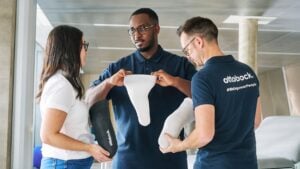
The healthcare industry is undergoing a significant transformation, driven in part by the adoption of 3D printing technology. Ottobock, a leading manufacturer of prosthetic devices, has recently introduced a 3D printed silicone prosthetic liner that reflects a broader movement towards mass-customized healthcare. This innovation has the potential to improve patient outcomes, reduce costs, and increase the efficiency of healthcare services.
The Benefits of 3D Printing in Prosthetics
The use of 3D printing in prosthetics allows for the creation of custom devices that are tailored to the individual needs of each patient. This can improve the fit, comfort, and functionality of prosthetic devices, leading to better patient outcomes. Additionally, 3D printing can reduce the time and cost associated with traditional manufacturing methods, making prosthetic devices more accessible to a wider range of patients.
Comparison of 3D Printing Technologies
| Technology | Material | Resolution | Cost |
|---|---|---|---|
| Fused Deposition Modeling (FDM) | Thermoplastics | 100-200 microns | $5,000 - $20,000 |
| Stereolithography (SLA) | Resins | 10-50 microns | $10,000 - $50,000 |
| Selective Laser Sintering (SLS) | Powders | 50-100 microns | $20,000 - $100,000 |
| Ottobock's 3D Printing Technology | Silicone | 50-100 microns | Not disclosed |
The Future of Healthcare
The adoption of 3D printing technology in healthcare is driving a shift towards more personalized and efficient care. As the technology continues to evolve, we can expect to see new innovations and applications in areas such as prosthetics, implants, and surgical guides. With the potential to improve patient outcomes, reduce costs, and increase the efficiency of healthcare services, 3D printing is poised to play a major role in the future of healthcare.
Bottom Line
Ottobock's latest 3D printing innovation is a significant step forward in the development of custom prosthetic devices. With the potential to improve patient outcomes, reduce costs, and increase the efficiency of healthcare services, this technology is driving a shift towards more personalized and efficient care. As the healthcare industry continues to evolve, we can expect to see new innovations and applications of 3D printing technology, leading to better patient outcomes and a more sustainable healthcare system.