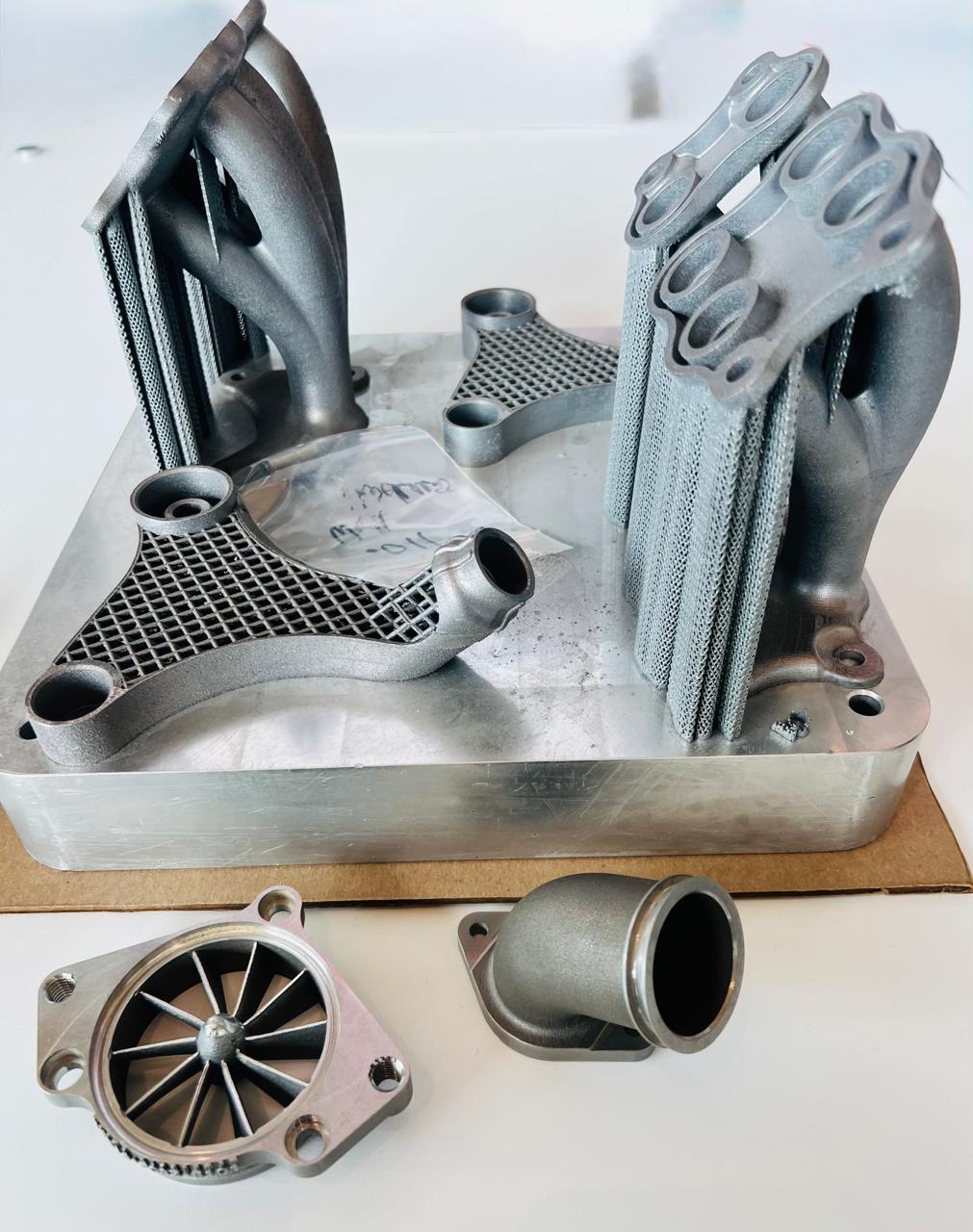
Key Takeaways
- The additive manufacturing (AM) industry has matured, focusing on producing consistent, high-quality parts that meet industry standards.
- Companies like Fathom are shifting from traditional "service bureau" models to become manufacturing partners for industries like aerospace, medical, and industrial.
- Industrial 3D printing is gaining traction, with companies seeking reliable, high-performance parts for real-world applications.
- The industry has overcome initial challenges, and demand for AM is increasing, driven by the need for consistent, reliable products.
Introduction to Additive Manufacturing
The additive manufacturing industry has undergone significant transformations over the past 30 years. Initially, the focus was on the promise of reinventing production. However, as the technology matured, the real challenge became proving that 3D printed parts could meet industry standards and perform reliably in industrial applications.
Evolution of Fathom
Fathom, a leading company in the AM industry, has adapted to this shift by moving beyond the traditional "service bureau" model. With a strong background in prototyping and digital manufacturing services, Fathom has expanded its focus to become a manufacturing partner for aerospace, medical, and industrial customers. This transition has enabled the company to provide high-quality, consistent products that meet the demanding requirements of these industries.
Industry Insights from Rush LaSelle
According to Rush LaSelle, CEO of Fathom, the company's focus is now on industrial applications where customers prioritize reliability and performance over the ability to print. With years of experience in AM and contract manufacturing, LaSelle has witnessed the industry's growth and evolution. He notes that the past five years have been particularly significant for industrial additive manufacturing, with companies like Fathom playing a crucial role in driving this growth.
Comparison of Manufacturing Models
| Manufacturing Model | Description | Benefits |
|---|---|---|
| Traditional "Service Bureau" | Focus on prototyping and digital manufacturing services | Flexibility, rapid prototyping |
| Manufacturing Partner | Focus on industrial applications, high-quality, consistent products | Reliability, performance, meeting industry standards |
Conclusion
The additive manufacturing industry has come a long way in addressing the initial challenges of producing consistent, high-quality parts. Companies like Fathom are at the forefront of this transformation, providing manufacturing partners for industries that require reliable, high-performance products. As the industry continues to evolve, it is likely that we will see increased demand for AM, driven by the need for consistent, reliable products.
Bottom Line
The additive manufacturing industry has matured, and companies like Fathom are leading the way in providing high-quality, consistent products for industrial applications. With a focus on reliability and performance, the industry is poised for significant growth, driven by the increasing demand for AM in aerospace, medical, and industrial sectors. As the technology continues to advance, we can expect to see even more innovative applications of additive manufacturing in the future.


