Key Takeaways
- TPM3D’s S600DL industrial SLS printer cut a 27 kg police‑vehicle bracket to 4 kg, slashing lead time from 7 days to 2 days.
- The same platform enables patient‑specific orthotics in Spain and expands automotive‑part capacity for a German AM service firm.
- Moving SLS from prototyping to series production hinges on design‑for‑additive‑manufacturing (DfAM), material selection, and a workflow that eliminates tooling.
- Real‑world data show 30‑85 % weight reduction, 50‑70 % faster turnaround, and up to 3× higher part‑per‑hour (PPH) when the S600DL is fully integrated.
Introduction
Selective laser sintering (SLS) has long been championed for rapid prototyping, yet few manufacturers have proven its viability on the factory floor. TPM3D’s S600DL—a dual‑laser, large‑format SLS system—demonstrates that the technology can meet the stringent demands of aerospace‑grade structural parts, custom medical devices, and high‑volume automotive components.
From Prototype to Production: The Dubai Police‑Patrol Case
The Challenge
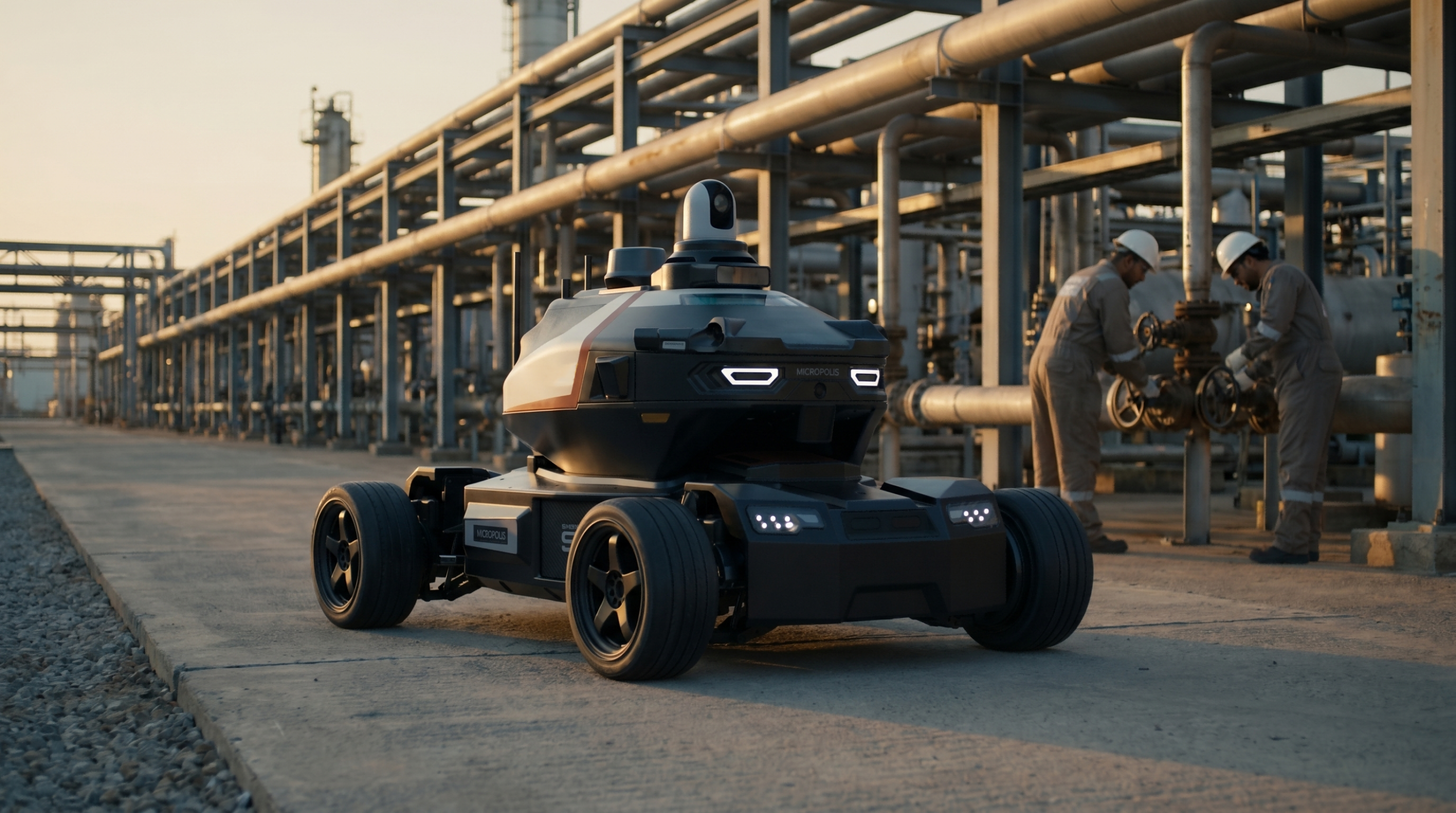
MicroPolis Robotics needed a structural bracket for its autonomous patrol vehicle that could endure vibration, temperature swings, and impact while keeping overall vehicle mass low. Traditional CNC‑machined aluminum would weigh ≈27 kg and require a 7‑day tooling and machining cycle.
The S600DL Solution
- Material: PA12‑CF (polyamide‑12 reinforced with 10 % carbon fiber) – tensile strength 68 MPa, density 1.25 g cm⁻³.
- Build volume: 600 × 600 × 600 mm, enabling the full bracket in a single orientation.
- Laser power: Dual 400 W fiber lasers, delivering a scan speed of 2 m s⁻¹.
Result: The printed bracket weighed 4 kg (≈85 % lighter) and was ready for fit‑check in 48 hours. Post‑process steps—sandblasting and UV‑curable coating—added only 4 hours.
Extending the Platform to Medical Orthotics (Spain)
| Parameter | Traditional CNC/Injection Molding | TPM3D S600DL SLS |
|---|---|---|
| Lead time | 10–14 days (tooling + machining) | 3–5 days (no tooling) |
| Weight reduction | 0–10 % (material limited) | 30–50 % (optimized lattice) |
| Material options | PA12, TPU | PA12, PA12‑CF, TPU‑SLS, high‑temperature PA (PA11‑HT) |
| Customization | Limited to size variants | Fully patient‑specific geometry |
| Cost per unit (≈100 g part) | €12–€18 | €4–€7 |
Edser, a Spanish orthotics provider, switched to the S600DL to print patient‑specific foot‑sole inserts directly from 3‑D scans. The ability to embed lattice structures reduced material use by 40 % while maintaining load‑bearing capacity, delivering a 30 % faster turnaround for clinicians.
Scaling Automotive Production in Germany
A German additive‑manufacturing service bureau integrated the S600DL to augment its existing powder‑bed fleet. By allocating the S600DL to high‑complexity, low‑volume series parts (e.g., intake manifolds, bracket clusters), the firm achieved:
- PPH increase: from 12 parts/hour (single‑laser SLS) to 35 parts/hour (dual‑laser S600DL).
- Material savings: 22 % less PA12 powder waste due to tighter nesting algorithms.
- Supply‑chain resilience: on‑demand production eliminated a 4‑week overseas tooling lead time.
What Makes S600DL Production‑Ready?
| Feature | Impact on Production |
|---|---|
| Dual‑laser architecture | Cuts build time by up to 45 % for large parts. |
| Closed‑loop powder recirculation | Maintains powder quality > 95 % after 10 cycles, reducing material cost to €0.12 g⁻¹. |
| Integrated CNC‑post‑process module | Automates support removal and surface finishing, lowering labor to ≤ 2 h per batch. |
| Real‑time thermal monitoring | Guarantees part‑to‑part repeatability (±0.02 mm dimensional tolerance). |
These capabilities collectively address the three hurdles that have traditionally blocked SLS from high‑mix, low‑volume production: speed, cost, and repeatability.
Bottom Line
TPM3D’s S600DL demonstrates that industrial SLS can transition from a prototyping curiosity to a reliable production workhorse. By leveraging dual‑laser speed, advanced powder management, and a tooling‑free workflow, manufacturers in Dubai, Spain, and Germany have realized massive weight savings, dramatically shortened lead times, and scalable part‑per‑hour rates. For firms looking to embed additive manufacturing into everyday production, the S600DL offers a proven, data‑backed pathway to real‑world, cost‑effective, and flexible manufacturing.

