Key Takeaways
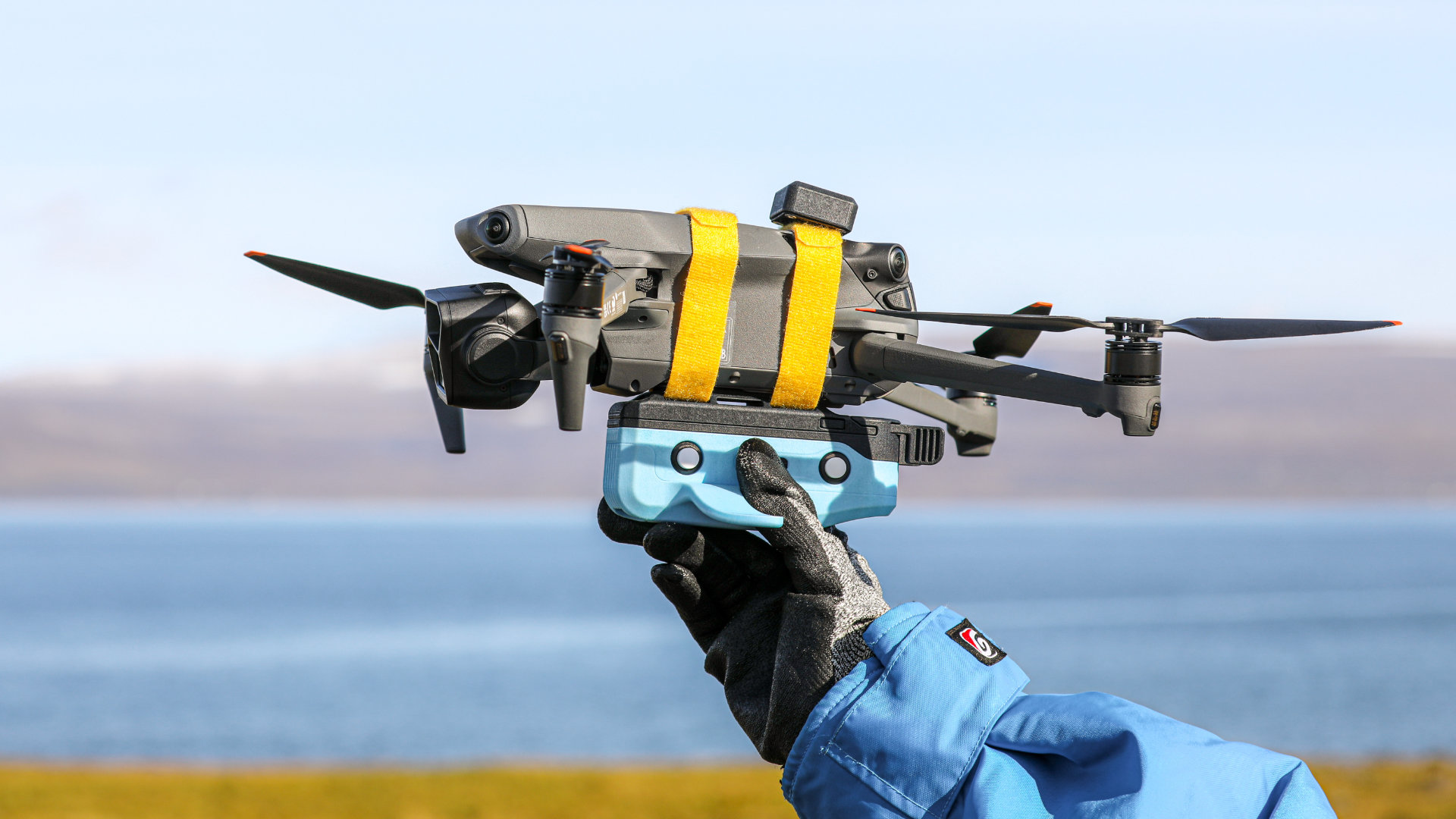
- Bambu Lab's 3D printed drone add-on, WHASER, measures whales from the sky
- WHASER combines Inertial Measurement Unit, GPS, and LiDAR to gauge whale size and health
- The tool has measured 115 Atlantic humpback whales to date
- 3D printing enables custom, complex assemblies with weight savings, ideal for drone attachments
Introduction to WHASER
Bambu Lab has collaborated with Tandem Ventures to develop WHASER, a 3D printed drone attachment designed to measure whales. This innovative tool showcases the potential of drone-based 3D printing add-ons for various applications, including conservation efforts.
Technical Specifications of WHASER
WHASER is a sophisticated assembly that integrates an Inertial Measurement Unit, GPS, and LiDAR to accurately measure whales from above. The system stitches together mapping data, GPS location data, and infrared to determine whale size, while the LiDAR gauges the optimal altitude for measurement. With a total of 115 Atlantic humpback whales measured to date, WHASER has proven to be an effective tool for researchers.
Comparison of Measurement Methods
| Method | Description | Accuracy | Cost |
|---|---|---|---|
| Traditional Aerial Surveys | Manual measurements from aircraft | Low | High |
| FPV (First-Person-View) | Measurements from a nearby coast or ship | Medium | Medium |
| WHASER | 3D printed drone attachment with LiDAR and GPS | High | Low |
Advantages of 3D Printing in Drone Attachments
The use of 3D printing in drone attachments, such as WHASER, offers several advantages, including:
- Customization: 3D printing enables the creation of complex, tailored assemblies that meet specific requirements.
- Weight savings: 3D printed parts can be designed to be lightweight, reducing the overall weight of the drone and increasing its efficiency.
- Low volume production: 3D printing is ideal for producing small batches of custom parts, making it an attractive option for drone attachment development.
Conclusion
The development of WHASER demonstrates the potential of 3D printing in creating innovative drone attachments for various applications. With its high accuracy, low cost, and customization capabilities, WHASER is an excellent example of how 3D printing can support conservation efforts and beyond.
Bottom Line
The WHASER project highlights the benefits of 3D printing in drone attachment development, enabling the creation of custom, complex assemblies with weight savings and low volume production. As the demand for drone-based solutions continues to grow, the use of 3D printing is likely to play an increasingly important role in the development of innovative attachments like WHASER.


