Key Takeaways
- Artemis II launched with 3D printing onboard, marking a significant milestone in human spaceflight
- The mission is a critical step toward returning humans to the lunar surface and establishing a long-term presence
- 3D printing plays a targeted role in the Artemis program, delivering clear advantages in specific areas
- The technology is expected to become increasingly essential for sustaining future missions
Introduction to Artemis II and 3D Printing
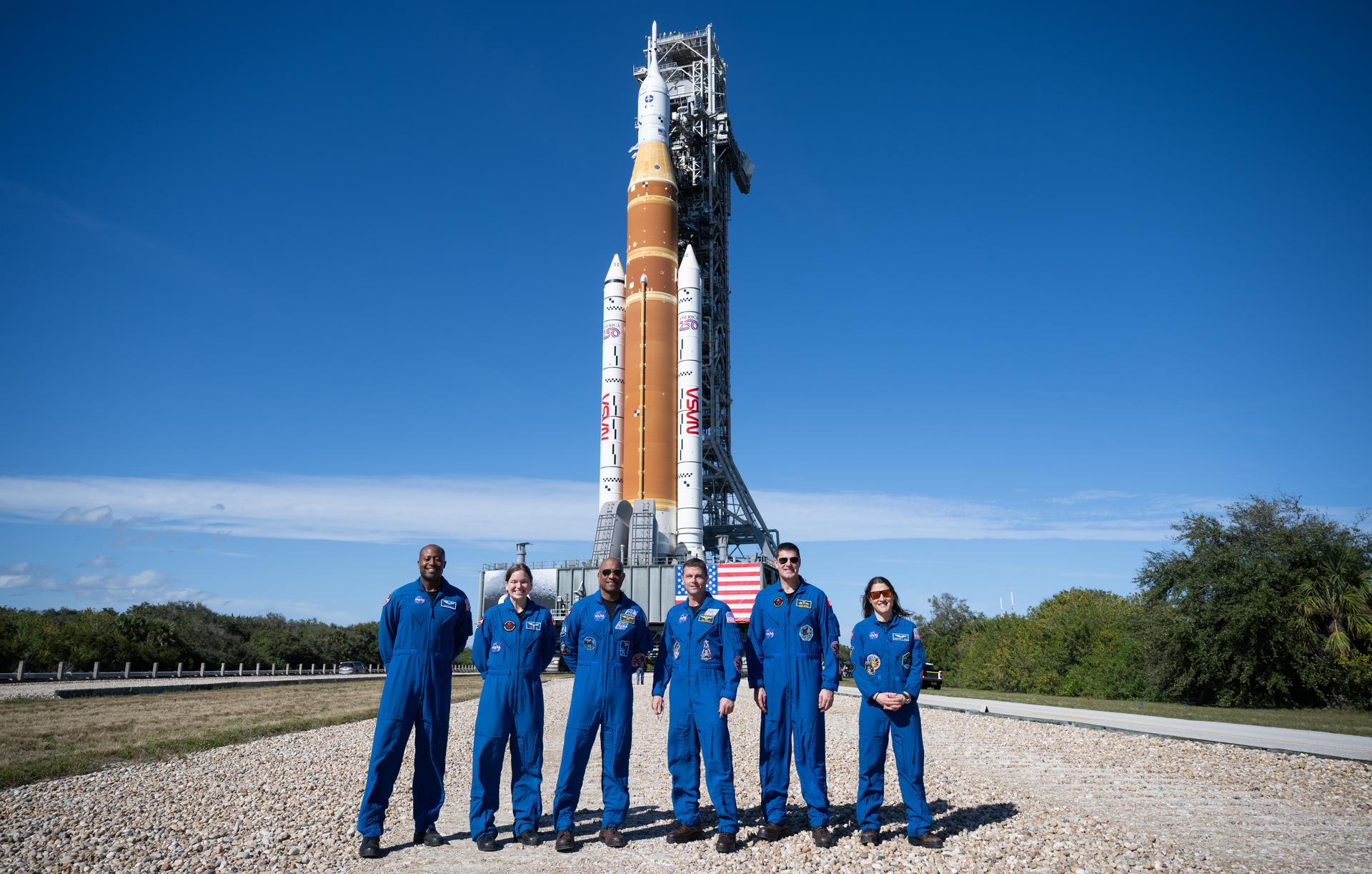
The launch of Artemis II from Kennedy Space Center marks a new chapter in human spaceflight, with astronauts embarking on a journey around the Moon for the first time in over five decades. This mission is a major milestone, as it is the first crewed flight of NASA's Artemis program and a critical step toward returning humans to the lunar surface.
Understanding the Role of 3D Printing in Artemis II
Artemis II is a full systems test with astronauts on board, designed to validate the spacecraft, life support systems, and overall mission architecture. The mission is expected to last approximately 10 days, with the crew returning to Earth and splashing down in the Pacific Ocean. While 3D printing is not being used extensively in the Artemis program, it is being applied in targeted ways to deliver clear advantages. According to NASA, 3D printing has been used in three main areas:
| Area | Description | Benefits |
|---|---|---|
| Component production | 3D printing is used to produce specific components, such as engine parts and tooling | Reduced lead times, increased complexity |
| Tooling and fixtures | 3D printing is used to create custom tooling and fixtures for manufacturing and assembly | Improved efficiency, reduced costs |
| Research and development | 3D printing is used to test and validate new materials and technologies | Accelerated innovation, reduced risk |
Future of 3D Printing in Space Exploration
As the Artemis program progresses, 3D printing is expected to play an increasingly important role in sustaining future missions. With plans to establish a long-term presence on the lunar surface, the ability to produce components and tools on demand will become essential. According to NASA, the use of 3D printing in space exploration is expected to increase by 20% annually over the next five years, with a focus on developing new materials and technologies.
Conclusion
The launch of Artemis II marks a significant milestone in human spaceflight, with 3D printing playing a targeted role in the mission. As the Artemis program progresses, the use of 3D printing is expected to become increasingly essential for sustaining future missions. With its ability to produce components and tools on demand, 3D printing is poised to play a critical role in establishing a long-term presence on the lunar surface.
Bottom Line
The successful launch of Artemis II with 3D printing onboard demonstrates the potential of this technology to support human spaceflight. As the Artemis program continues to push the boundaries of space exploration, the use of 3D printing is expected to increase, enabling the production of complex components and tools on demand. With its ability to accelerate innovation and reduce risk, 3D printing is poised to become a critical component of future space missions, supporting the establishment of a long-term presence on the lunar surface and beyond.


