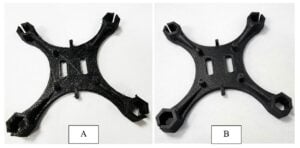
Key Takeaways
- AI-powered post-slicing GCODE optimization reduces FFF material usage by approximately 25%
- This technique does not require modifications to CAD designs or slicer settings
- Curvature-aware post-slicing is a key factor in achieving material savings
- Research paper demonstrates the potential of AI in optimizing 3D printing processes
Introduction to AI Post-Slicing GCODE Optimization
A recent research paper has highlighted the potential of AI-powered post-slicing GCODE optimization in reducing material usage in Fused Filament Fabrication (FFF) 3D printing. This innovative approach utilizes artificial intelligence and curvature-aware post-slicing to minimize material waste without altering the original CAD design or slicer settings.
How AI Post-Slicing GCODE Optimization Works
The process involves analyzing the GCODE file generated by the slicer and applying AI-driven algorithms to optimize the printing path. By taking into account the curvature of the printed object, the algorithm can identify areas where material usage can be reduced without compromising the structural integrity of the print. This results in a significant reduction in material consumption, with reported savings of approximately 25%.
Comparison of Optimization Techniques
| Optimization Technique | Material Savings | CAD/Slicer Modifications |
|---|---|---|
| AI Post-Slicing GCODE | 25% | No modifications required |
| Traditional Slicer Optimization | 5-10% | Yes, requires slicer setting adjustments |
| CAD Design Optimization | 10-20% | Yes, requires CAD design modifications |
Benefits of AI Post-Slicing GCODE Optimization
The benefits of this technique are twofold. Firstly, it reduces material waste, resulting in cost savings and a more sustainable printing process. Secondly, it does not require any modifications to the original CAD design or slicer settings, making it a convenient and efficient solution for optimizing FFF 3D printing processes.
Bottom Line
The use of AI-powered post-slicing GCODE optimization has the potential to revolutionize FFF 3D printing by reducing material usage and promoting sustainability. With reported material savings of approximately 25%, this technique is an attractive solution for industries and individuals looking to optimize their printing processes. As research continues to advance in this field, we can expect to see even more innovative applications of AI in 3D printing, further enhancing the efficiency and sustainability of these processes.