Key Takeaways
- IHI Europe has purchased a Freemelt electron-beam powder-bed fusion (E-PBF) system for next-gen turbine alloys research
- The company aims to develop new Nickel superalloys and gamma titanium aluminides using the Freemelt system
- Freemelt's open platform allows IHI to experiment with novel alloys cost-effectively and at speed
- IHI has a total of three Freemelt systems, with the previous two purchased by its parent company
- The company employs over 28,000 people and has revenues of 1626.8 billion yen, around $10 billion
Introduction to IHI and Freemelt
IHI, a Japanese engineering conglomerate, has made a significant investment in 3D printing technology by purchasing a Freemelt electron-beam powder-bed fusion (E-PBF) system. This move is part of the company's efforts to develop next-generation turbine alloys for the aerospace industry. With a strong presence in the market, IHI is a major jet engine manufacturer, space component contractor, and industrial machinery builder.
Benefits of Freemelt's E-PBF System
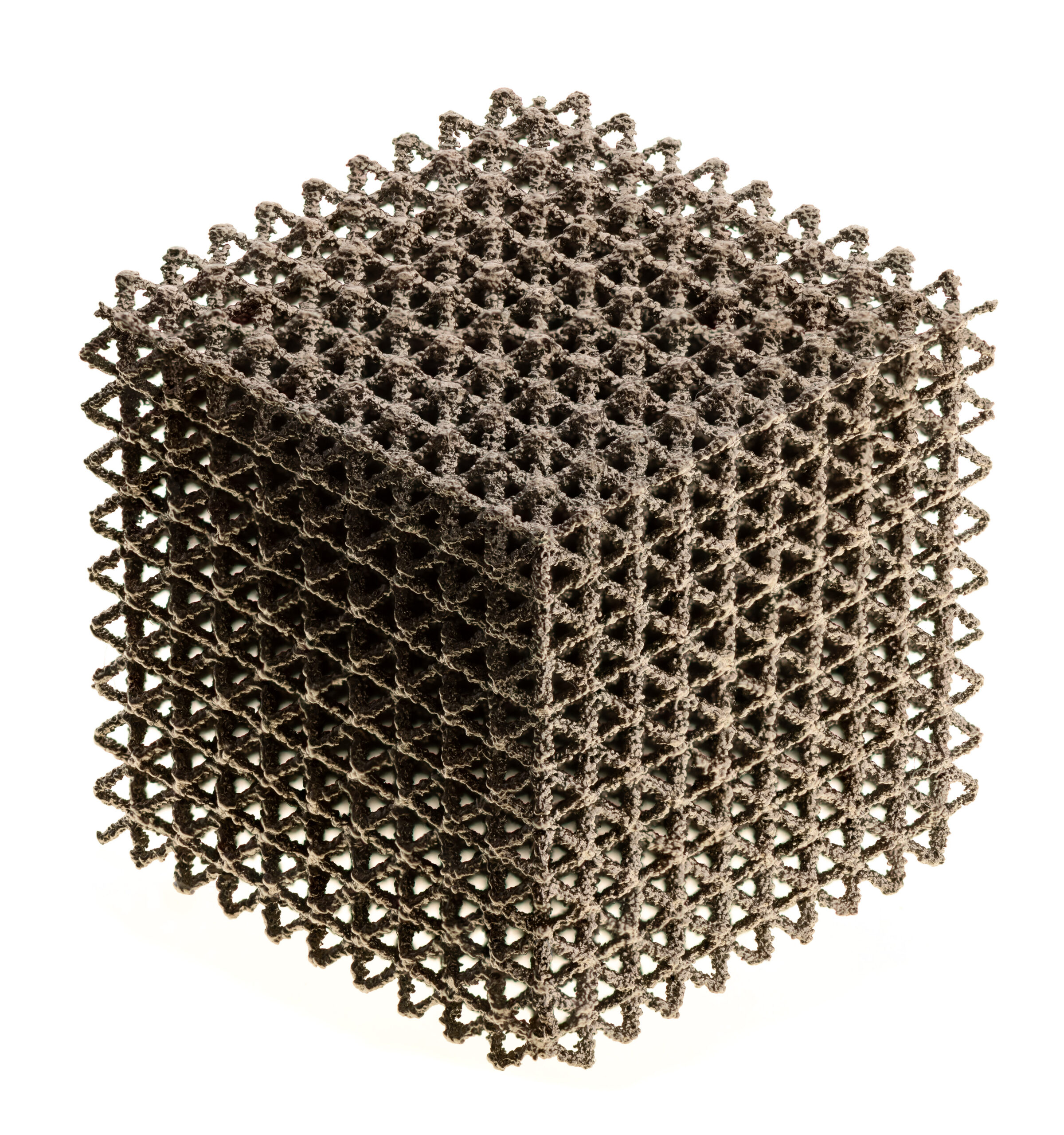
According to Dr. Rachel Jennings, Head of Advanced Technology Development at IHI Europe, Freemelt's open platform provides the flexibility to experiment with small batches of novel alloys cost-effectively and at speed. This is a significant advantage over conventional additive systems, which often require large batches and are less flexible. The Freemelt system enables the fabrication of novel high-temperature, high-performance materials, allowing IHI to push the boundaries of applications.
Comparison of 3D Printing Technologies
| Technology | Resolution | Speed | Material Compatibility |
|---|---|---|---|
| E-PBF | High | Medium | Titanium, Nickel, and other high-temperature alloys |
| SLM | High | Medium | Aluminum, Copper, and other high-temperature alloys |
| FDM | Low | High | Thermoplastics, limited high-temperature materials |
Research and Development Goals
IHI's primary goal is to research new Nickel superalloys and gamma titanium aluminides using the Freemelt system. These materials have the potential to significantly improve the performance and efficiency of turbine engines. With the ability to experiment with novel alloys at a lower cost and faster speed, IHI is well-positioned to make significant advancements in the field.
Conclusion
IHI's investment in the Freemelt E-PBF system demonstrates the company's commitment to innovation and research in the aerospace industry. With the ability to develop novel high-temperature materials, IHI is poised to make significant advancements in turbine engine technology.
Bottom Line
The partnership between IHI and Freemelt has the potential to revolutionize the aerospace industry by enabling the development of next-generation turbine alloys. With its open platform and high-resolution capabilities, the Freemelt E-PBF system is an ideal solution for companies like IHI that are pushing the boundaries of what is possible in 3D printing. As the industry continues to evolve, it will be exciting to see the advancements that IHI and Freemelt achieve together.