Key Takeaways
- Additive manufacturing is at a critical juncture, requiring companies to specialize and focus on specific applications and industries to achieve success.
- The history of additive manufacturing can be divided into three phases: invention (1984-2009), hype (2010-2025), and industrialization (current).
- The desktop 3D printing revolution is gaining momentum, with companies like Bambu Lab achieving significant revenue and user adoption.
- AI-assisted software and increasing user demand are driving the growth of desktop 3D printing, with applications in cosplay, art, craft, inventing, and making money.
Introduction to Additive Manufacturing
Additive manufacturing is standing at a crossroads, where companies must decide how to navigate the complex landscape of different modalities, applications, and industries. With the hype surrounding additive manufacturing subsiding, companies are now focusing on specialization and concentration to achieve outsized opportunities. Success in this field will be more challenging to attain, but the rewards will be substantial.
Three Phases of Additive Manufacturing
The history of additive manufacturing can be divided into three distinct phases:
- Invention Phase (1984-2009): Companies like 3D Systems, DTM, EOS, and Stratasys commercialized their own technologies, focusing on specific applications and industries.
- Hype Phase (2010-2025): The influx of venture capital, corporate, and SPAC money led to inflated expectations and promises of a revolution in additive manufacturing.
- Industrialization Phase (current): Companies are now implementing large-scale additive manufacturing, while many others use the technology casually.
Comparison of Additive Manufacturing Technologies
| Technology | Description | Applications |
|---|---|---|
| Fused Deposition Modeling (FDM) | Layer-by-layer deposition of melted plastic | Prototypes, spare parts, end-use parts |
| Stereolithography (SLA) | Layer-by-layer curing of liquid resin | High-accuracy prototypes, dental models |
| Selective Laser Sintering (SLS) | Layer-by-layer fusion of powder | High-strength prototypes, end-use parts |
The Desktop 3D Printing Revolution
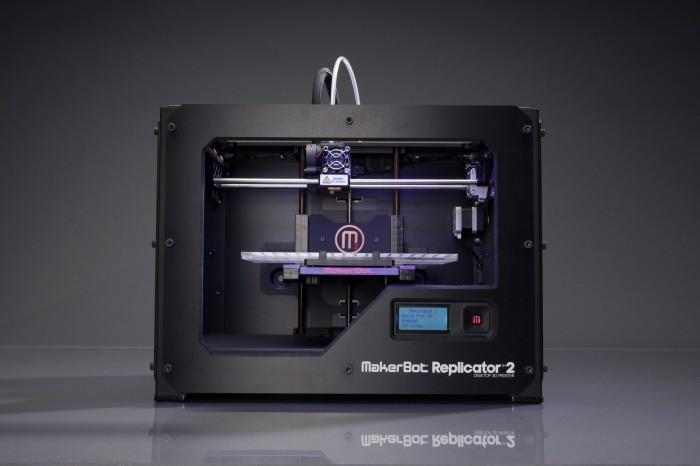
The desktop 3D printing revolution is gaining momentum, with companies like Bambu Lab achieving significant revenue and user adoption. AI-assisted software and increasing user demand are driving the growth of desktop 3D printing, with applications in:
- Cosplay
- Art
- Craft
- Inventing
- Making money
Hundreds of thousands of firms are also deploying desktop 3D printers for prototypes, spare parts, and end-use parts.
Bottom Line
In conclusion, additive manufacturing is at a critical juncture, requiring companies to specialize and focus on specific applications and industries to achieve success. The desktop 3D printing revolution is gaining momentum, driven by AI-assisted software and increasing user demand. As the industry continues to evolve, it is essential to stay informed about the latest developments and trends in additive manufacturing to remain competitive. With the right strategy and focus, companies can capitalize on the opportunities presented by additive manufacturing and achieve significant growth and success.


