Key Takeaways
- Addidex Connect event drew 170 attendees to the 3D Makers Zone in Haarlem, Netherlands
- The event focused on robotic large-format additive manufacturing and collective problem-solving
- Discussions included design and toolpath logic, material behavior, adaptive fabrication, and process control
- The event aimed to connect people from different disciplines and companies to share knowledge and expertise
- Robotic 3D printing is expected to grow, with large-format metal 3D printing and DED projected to reach $537 million by 2026
Introduction to Addidex Connect
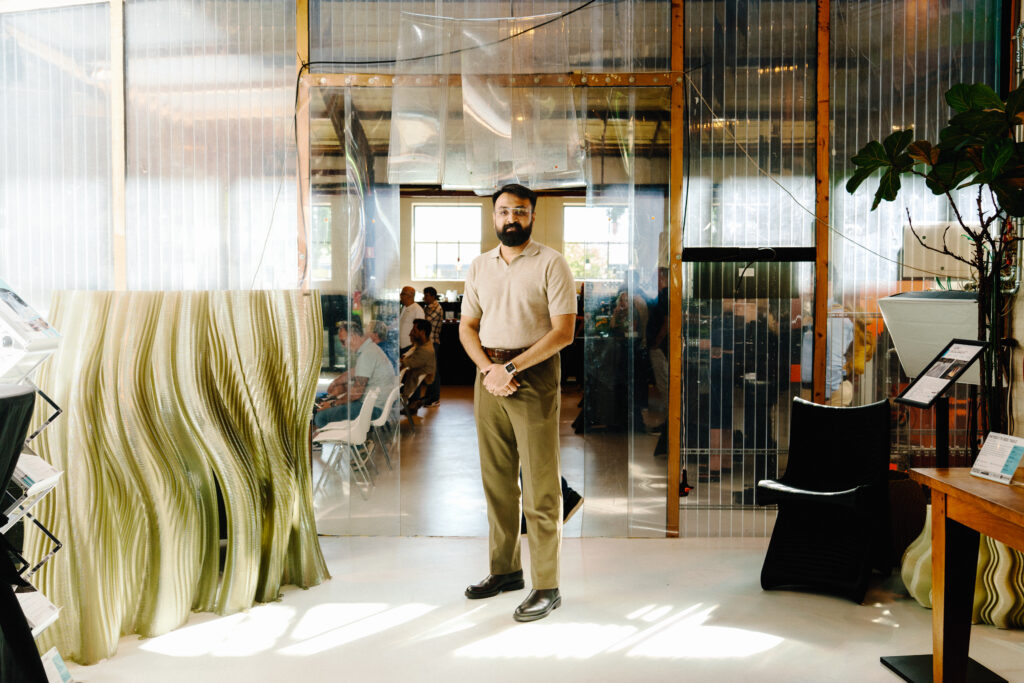
Addidex, an Amsterdam-based company, recently hosted a two-day symposium, Addidex Connect, which brought together 170 professionals from the additive manufacturing industry. The event, held at the 3D Makers Zone in Haarlem, Netherlands, focused on robotic large-format additive manufacturing and provided a platform for collective problem-solving.
Event Highlights
The event catered to systems integrators, customers, software firms, engineers, and other professionals in the industry. The discussions revolved around practical topics, including:
Design and Toolpath Logic
Exploring the relationship between design and toolpath logic, including multi-axis and non-planar strategies
Material Behavior
Understanding material behavior at scale, including the use of bio-based polymers and recycled marine plastics
Adaptive Fabrication
Discussing adaptive fabrication, software workflows, and process control
Transition to Production
Addressing the challenges of transitioning from prototypes to reliable production
Comparison of Additive Manufacturing Technologies
| Technology | Description | Advantages | Disadvantages |
|---|---|---|---|
| Large-Format DED | Direct energy deposition for large-scale metal printing | High deposition rates, low material waste | High equipment costs, limited material options |
| Material Extrusion | Fused deposition modeling for plastic and composite printing | Low equipment costs, wide range of materials | Limited accuracy, slow printing speeds |
| Robotic 3D Printing | Industrial robots used for additive manufacturing | High flexibility, large build volumes | High equipment costs, complex programming |
Quotes from Industry Experts
According to Michael John Sweers, founder of the conference, "Robotic 3D printing has no shortage of talent or ambition. What it needs is more connection between the people shaping it. Too often, valuable knowledge stays within one discipline, one machine or one company. These two days showed what becomes possible when people speak openly about both what works and what still does not."
Bottom Line
The Addidex Connect event demonstrated the importance of collective problem-solving and knowledge sharing in the additive manufacturing industry. By bringing together professionals from different disciplines and companies, the event facilitated discussions on key topics, such as design and toolpath logic, material behavior, and process control. As the industry continues to grow, with large-format metal 3D printing and DED projected to reach $537 million by 2026, events like Addidex Connect will play a crucial role in shaping the future of robotic 3D printing.