Key Takeaways
- The metal additive manufacturing market is expected to grow from $6.02 billion to $7.02 billion in 2026, with a 15.3% year-over-year growth in 2025.
- The ADDITIV Metals 2026 summit will address key barriers to scaling metal additive manufacturing, featuring expert panels and interactive Q&As.
- The event will cover topics such as metal roadmaps, certification frameworks, and digital qualification, with speakers from NASA, General Motors, MIT, and the U.S. Department of War.
- AI-powered networking tools will be integrated to facilitate industry collaboration and connection among attendees.
Introduction to Metal Additive Manufacturing
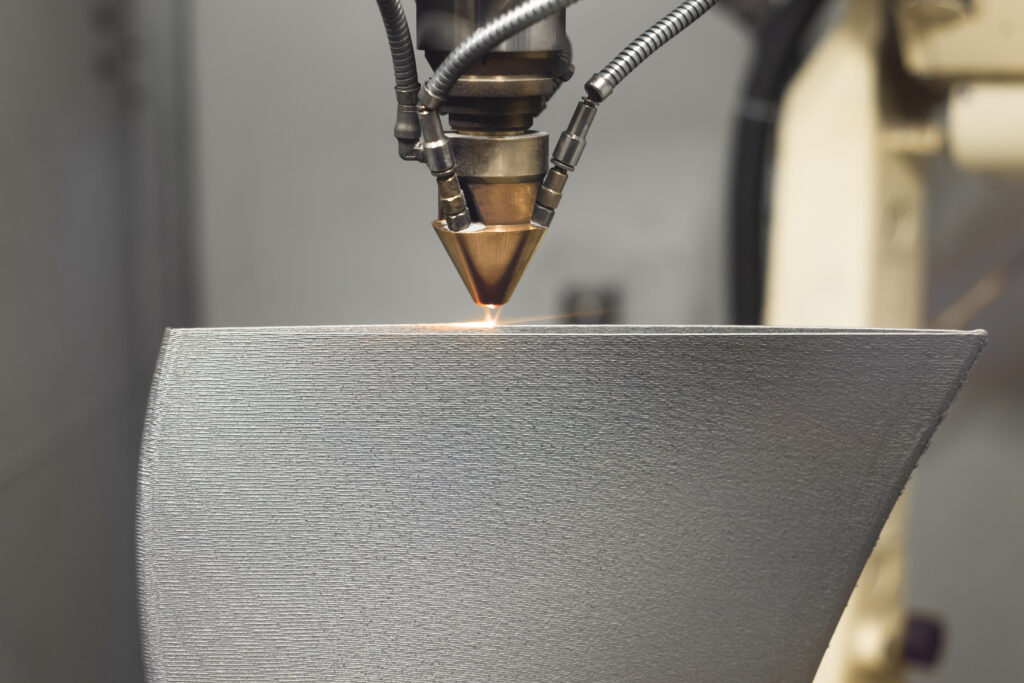
The metal additive manufacturing sector is on the cusp of a significant leap, with market valuations expected to climb to $7.02 billion in 2026. As the industry shifts its focus from basic feasibility to large-scale industrialization, the need to address key bottlenecks preventing widespread adoption becomes increasingly important.
The ADDITIV Metals 2026 Summit
The upcoming ADDITIV Metals 2026 summit, scheduled for June 10th, 2026, aims to tackle these challenges head-on. The virtual event will feature three expert-led panels and interactive audience Q&As, providing a concentrated program for attendees to gain high-level insights from industry pioneers. The event will also integrate AI-powered networking tools, allowing attendees to connect with peers facing similar scaling challenges in the metal AM ecosystem.
Panel Topics
The panels will cover the following topics:
- Panel 1: Diverse Metal Roadmaps - When to push LPBF and when to pivot to alternatives, featuring speakers from NASA, MIT, and Tritone Technologies.
- Panel 2: The Certification Trap - Can AI kill the 2-year testing cycle in metal AM, moderated by Gil Lavi, CEO and Founder of 3D Alliances.
- Panel 3: Digital Qualification Frameworks - Accelerating certification cycles with AI-driven approaches.
Comparison of Metal Additive Manufacturing Technologies
| Technology | Description | Advantages | Disadvantages |
|---|---|---|---|
| Laser Powder Bed Fusion (LPBF) | A mature production standard | High precision, good surface finish | High equipment cost, limited build size |
| Alternative Technologies | Reshaping the cost-per-part equation | Lower equipment cost, larger build size | Lower precision, rougher surface finish |
| AI-Driven Approaches | Accelerating certification cycles | Faster certification, reduced testing time | Higher software cost, limited industry adoption |
Expert Insights
According to Filippos Voulpiotis, Managing Director of 3Dnatives, "Metal AM has been 'almost there' for a decade. What's changed in the last few years is that the conversation has shifted from 'can it be done?' to 'why is it taking so long?' ADDITIV Metals exists to accelerate that second conversation." Gil Lavi, CEO and Founder of 3D Alliances, adds, "We are at the point that we can now scale metal additive, but we need to understand the entire ecosystem. For users who are aiming to understand how metal additive technologies can be implemented as part of an entire ecosystem, ADDITIV Metals is a great opportunity."
Bottom Line
The metal additive manufacturing industry is poised for significant growth, but key barriers must be addressed to achieve widespread adoption. The ADDITIV Metals 2026 summit offers a unique opportunity for industry professionals to gain insights from expert panels, interactive Q&As, and AI-powered networking tools. By attending this event, attendees can stay ahead of the curve and accelerate their understanding of metal additive manufacturing technologies, ultimately driving industry growth and innovation.


