Key Takeaways
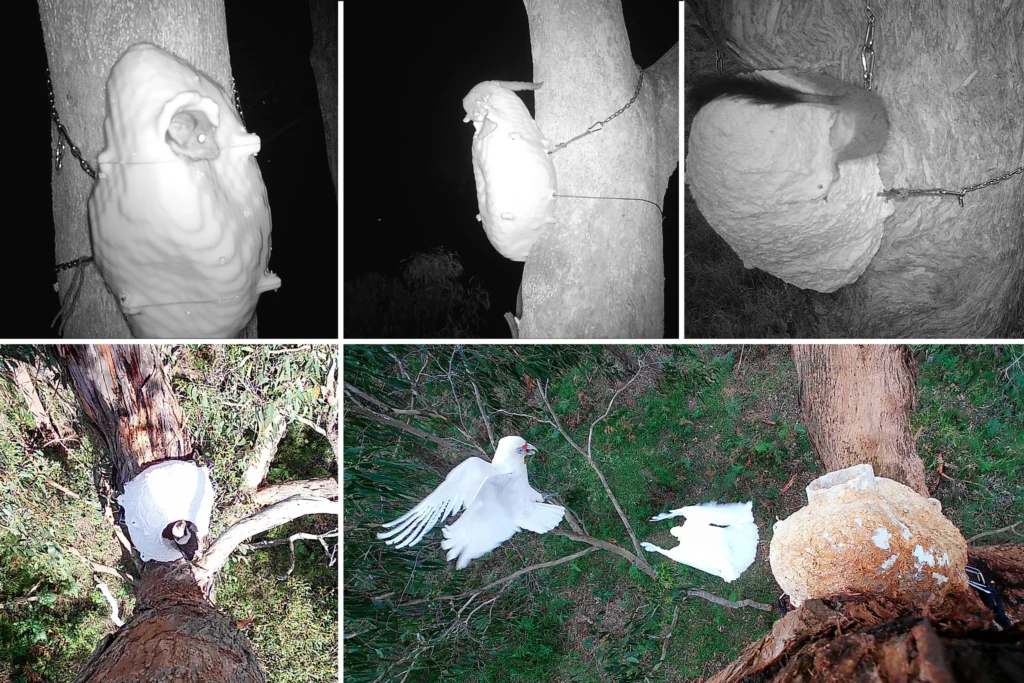
- Researchers are using 3D printed prosthetic nests to help save endangered birds at Blenheim Palace, a UNESCO World Heritage Site in England.
- The experiment aims to improve traditional bird boxes, which can be detrimental to large species of endangered birds.
- The 3D printed nests are made from biodegradable materials such as mycelium, 3D printed wood, and hempcrete.
- The project is led by designer Dan Parker, a researcher with the University of Oxford and the Deep Design Lab at the University of Melbourne.
Introduction to 3D Printed Prosthetic Nests
On the grounds of Blenheim Palace, a team of researchers from Australia and the UK are utilizing 3D printing technology to create innovative prosthetic nests for endangered birds. These nests are designed to provide a safe and comfortable environment for the birds to lay their eggs and raise their chicks. The project aims to address the limitations of traditional bird boxes, which can be harmful to large species of endangered birds due to poor conditions inside.
Materials and Design
The 3D printed prosthetic nests are made from biodegradable materials such as mycelium, 3D printed wood, and hempcrete. These materials are sustainable and environmentally friendly, making them an ideal choice for the project. The design of the nests takes into account the specific needs of the birds, including the size, shape, and ventilation of the nest.
Comparison of Materials
| Material | Description | Benefits |
|---|---|---|
| Mycelium | A biodegradable material made from mushroom roots | Sustainable, environmentally friendly, and can be easily decomposed |
| 3D Printed Wood | A type of wood that is printed using a 3D printer | Strong, durable, and can be designed to mimic the natural habitat of the birds |
| Hempcrete | A mixture of hemp fibers and lime | Insulating, breathable, and can help regulate the temperature inside the nest |
The Experiment
The experiment, led by designer Dan Parker, is being conducted on the grounds of Blenheim Palace, which is surrounded by approximately 12,000 acres of forest and gardens. The team is using camera monitoring to track the behavior of the birds and the effectiveness of the 3D printed prosthetic nests. The project has the potential to revolutionize the way we approach conservation efforts for endangered birds.
Conclusion
The use of 3D printed prosthetic nests is a innovative approach to conservation efforts for endangered birds. The project highlights the potential of 3D printing technology to create sustainable and environmentally friendly solutions for wildlife conservation. With its biodegradable materials and sustainable design, the 3D printed prosthetic nests have the potential to make a significant impact on the conservation of endangered bird species.
Bottom Line
The 3D printed prosthetic nests project is a groundbreaking initiative that showcases the potential of 3D printing technology in wildlife conservation. With its sustainable materials and innovative design, the project has the potential to improve the lives of endangered birds and contribute to the conservation of their species. As the project continues to develop, it is likely to inspire new approaches to conservation efforts and highlight the importance of sustainable and environmentally friendly solutions for wildlife conservation.