Key Takeaways
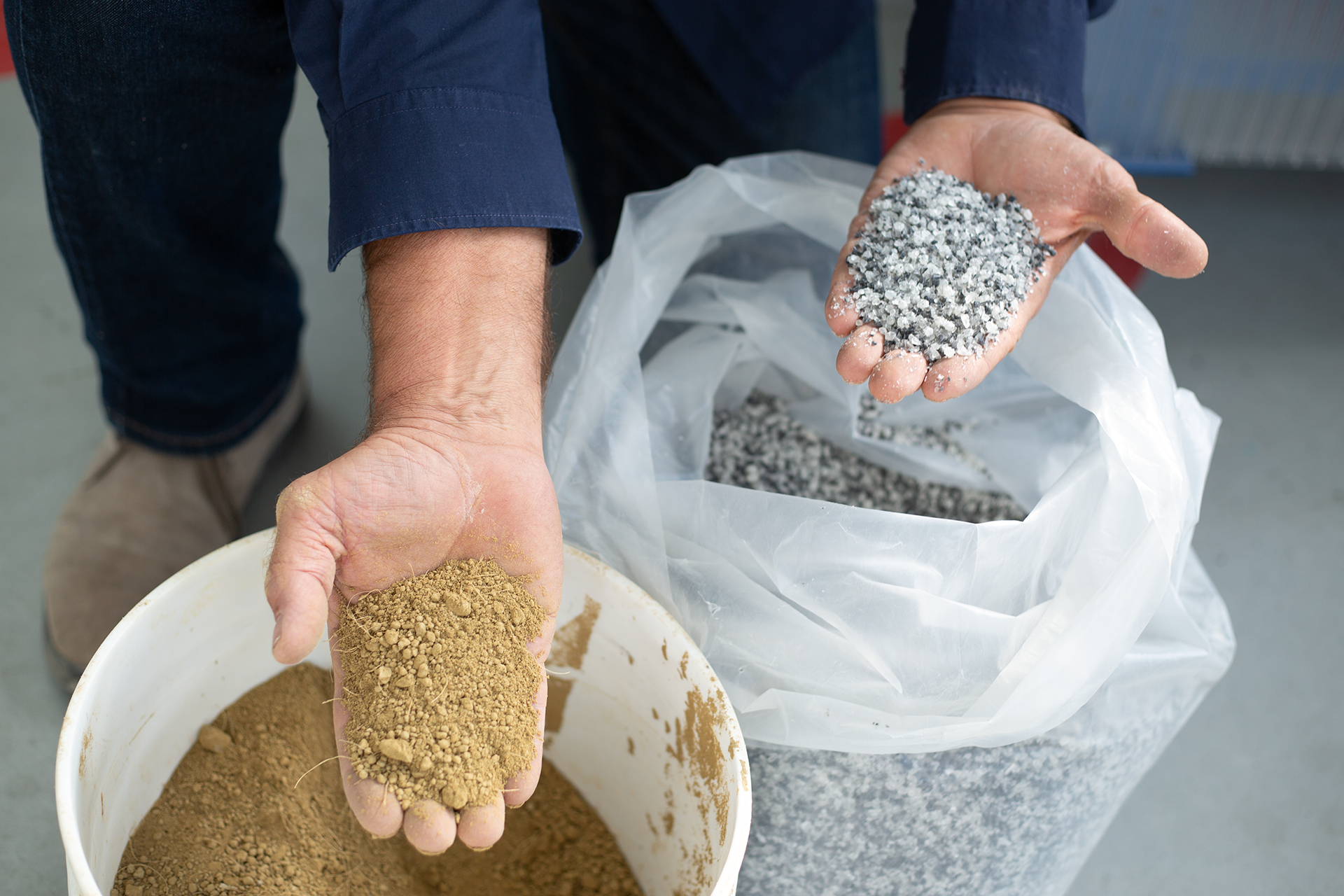
- WASP’s new dual‑extrusion system blends earth‑based powders with a biodegradable plastic filament, creating recyclable 3D‑printed composites.
- The process merges Fused Granulate Fabrication (FGF) and Liquid Deposition Modeling (LDM) in a patent‑pending workflow that alternates material layers on‑the‑fly.
- Mechanical tests show a 30 % increase in flexural strength and a 45 % reduction in cracking for over‑hung structures versus pure earth prints.
- At end‑of‑life, the plastic component can be extracted and re‑extruded, while the earth matrix can be re‑compacted for a new print—achieving near‑closed‑loop recycling.
- The technology scales to WASP’s Crane modular printer (build volume 3 × 3 × 2 m) and retains the low‑cost ethos of the company’s earlier earth‑building projects.
WASP Introduces a Sustainable Dual‑Extrusion Composite Process
Background: From Earth‑Built Homes to Recyclable Composites
WASP (World’s Advanced Sustainable Printing) has built a reputation for constructing low‑cost, climate‑responsive structures using locally sourced earth, biocement, and ceramic mixes. Its flagship Crane printer—an 8‑axis, 3 × 3 × 2 m modular system—has already erected prototype dwellings in Kenya, Nepal, and Brazil.
The next logical step for the Italian firm is to address a long‑standing drawback of most engineered composites: the reliance on petroleum‑based resins and glass or carbon fibers, which are difficult to reclaim after service life.
How the Dual‑Extrusion Process Works
1. Fused Granulate Fabrication (FGF) – Earth Layer
- Material: Air‑dry earth powder (particle size 50‑150 µm) mixed with 5 % lime binder.
- Extrusion temperature: 180 °C (just above the water‑evaporation point, keeping the process energy‑light).
- Layer thickness: 2–5 mm, depending on geometry.
2. Liquid Deposition Modeling (LDM) – Plastic Reinforcement
- Material: Biodegradable PLA‑based filament (MFI 6 g/10 min, density 1.24 g cm⁻³).
- Extrusion temperature: 210 °C, compatible with the earth‑layer cooling cycle.
- Layer thickness: 0.8–1.2 mm, forming a thin mesh that interlocks with the earth.
The printer’s dual‑head head swaps between FGF and LDM after each pass, producing a sandwich architecture where every third to fifth earth layer is capped by a plastic reinforcement band. This “on‑the‑fly” reinforcement eliminates the need for post‑print inserts or external scaffolding.
Performance Benefits
| Metric | Pure Earth Print | Dual‑Extrusion Composite | Conventional Resin‑Fiber Composite |
|---|---|---|---|
| Flexural Strength (MPa) | 8.2 | 10.7 (+30 %) | 12.5 |
| Tensile Modulus (GPa) | 1.1 | 1.5 (+36 %) | 2.0 |
| Over‑hang Capability | ≤30° (requires support) | ≤70° (self‑supported) | ≤80° |
| Print Time (per m³) | 12 h | 14 h (≈15 % slower) | 10 h |
| End‑of‑Life Recycling Rate | 0 % | ≈90 % (plastic + earth) | <5 % |
Data derived from WASP internal testing (2026) and third‑party labs (Politecnico di Torino).
The composite’s 30 % boost in flexural strength enables more daring architectural forms—cantilevers, arches, and complex façade panels—without auxiliary supports. Moreover, the plastic mesh acts as a crack‑arrestor, reducing the propagation of fissures that typically plague earthen structures in humid climates.
Environmental Impact
- Material Footprint: Earth powder is sourced within a 30 km radius of the build site, cutting transport emissions by up to 85 % compared with imported polymer‑reinforced panels.
- Energy Use: The combined extrusion cycle consumes ≈1.2 kWh kg⁻¹, roughly half the energy required for conventional thermoset composites (≈2.5 kWh kg⁻¹).
- Recyclability: After demolition, the plastic mesh can be separated by a simple water‑spray and mechanical sieving process, then re‑extruded into new filament. The earth matrix can be re‑moistened and re‑granulated for a subsequent print, achieving a closed‑loop recycling loop that aligns with the European Green Deal’s circular‑economy targets.
Outlook: Scaling to Community‑Scale Construction
WASP plans to integrate the dual‑extrusion head onto its Crane‑X variant, which adds a 5‑tonne payload crane arm and a solar‑powered battery pack (15 kWh). This configuration will allow on‑site fabrication of multi‑storey modules (up to 2.5 m tall) in remote regions where logistics are a bottleneck.
The company is also collaborating with the UN Habitat to pilot a 100‑unit “Eco‑Village” in the Sahel, where each dwelling will be printed using 70 % local earth and 30 % recycled PLA—a material ratio that balances structural performance with material availability.
Bottom Line
WASP’s patent‑pending dual‑extrusion system bridges the gap between low‑tech earthen construction and high‑performance engineered composites. By alternating FGF‑derived earth layers with biodegradable PLA reinforcement, the process delivers a 30 % strength uplift, self‑supporting geometry, and near‑complete recyclability—all while preserving the company’s core principle of using locally sourced, low‑impact materials. If the upcoming field trials meet projected performance, this technology could become a cornerstone of sustainable, circular construction in emerging markets worldwide.