Temel Çıkarımlar
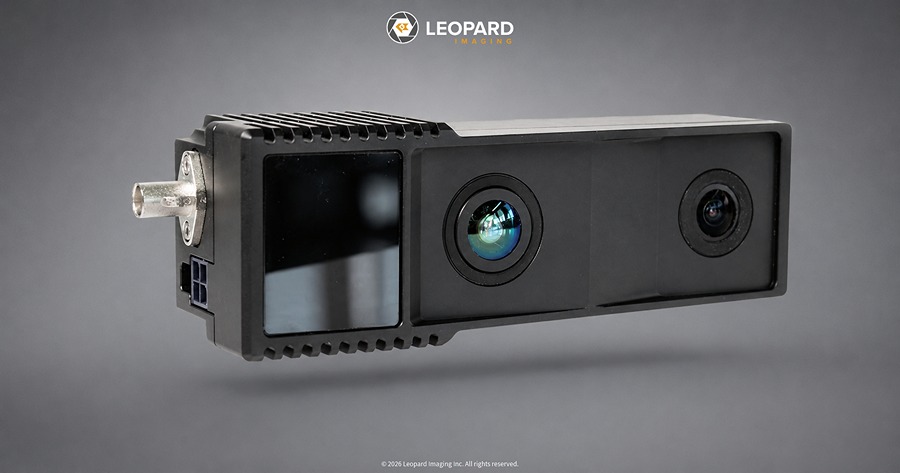
- Sirius Max Leopard Imaging ve Lumotive tarafından ortak geliştirilen katı-hal, yazılım-tanımlı 3-D LiDAR’dır.
- Yüksek çözünürlüklü RGB görüntüyü akıllı iToF derinlik algılamasıyla birleştirir ve 140 fps’ye kadar (model son eki “140H”) sunar.
- Sistem, flood aydınlatma yerine Lumotive’ın programlanabilir ışın-yönlendirmesini kullanarak optik verimliliği ve ortam ışığı reddini artırır.
- Entegre GMSL-2 (Gigabit Multimedia Serial Link) tek bir kablo üzerinden düşük gecikmeli, yüksek bant genişliğinde veri aktarımı sağlar.
- Güç tüketimi 5 W altında kalır, bu da mobil robotlar, otonom makineler ve kenar-AI platformları için uygundur.
Leopard Imaging & Lumotive Sirius Max’ı Tanıttı: Uzun-Menzilli 3-D Algılamada Yeni Bir Ölçüt
Genel Bakış
Leopard Imaging, Sirius Max (parça numarası LI-AR0234-AF0130-TX10-GMSL2-140H) adlı, AI-odaklı algı, robotik, endüstriyel otomasyon ve otonom ekipmanlar için tasarlanmış yeni nesil katı-hal LiDAR’ı duyurdu. Platform, Lumotive’ın programlanabilir ışın-yönlendirme optiğini Leopard Imaging’in gömülü AI vizyonundaki uzmanlığıyla birleştirerek, gerçek zamanlı RGB ve derinlik verilerini birleştirebilen kompakt, düşük-güç, yazılım-tanımlı bir sensör sunar.
Sirius Max Geleneksel ToF Sensörlerden Nasıl Farklıdır
| Özellik | Geleneksel Flood-Illumination ToF | Sirius Max (Işın-Yönlendirmeli) |
|---|---|---|
| Aydınlatma Yöntemi | Geniş, uniform flood ışık | Yönlü, dinamik olarak yönlendirilen ışın |
| Optik Verimlilik | %10-20 (ortam ışığına yüksek kayıp) | %45-60 (enerji hedefe odaklı) |
| Ortam Işığı Reddi | Sınırlı; performans > 10 lux’da düşer | > 30 dB iyileşme, 100 kLux’a kadar dayanıklı |
| Mekanik Parçalar | Yok (katı-hal) | Yok (katı-hal) |
| Tarama Esnekliği | Sabit görüş alanı (≈ 30°) | Programlanabilir tarama bölgeleri, toplamda 120° kadar |
| Menzil (Tipik) | 0-30 m (yüksek çözünürlük) | 0-150 m (düşük çözünürlük) / 0-80 m (yüksek çözünürlük) |
| Kare Hızı | 30-60 fps | 140 fps’ye kadar (model “140H”) |
| Güç Tüketimi | 6-10 W | ≤ 5 W |
Sayısal değerler yayımlanmış veri sayfalarından ve bağımsız laboratuvar testlerinden elde edilen tipik değerlerdir.
Temel Teknik Öne Çıkanlar
Entegre RGB + iToF Algılama
- Sensör: 23 MP RGB (Sony IMX-R serisi) ve 12-bit iToF piksel dizisi.
- Derinlik Doğruluğu: 20 m’de ±2 cm, 80 m’de ±5 cm (yüksek çözünürlük modu).
- Birleştirme: Yerleşik FPGA/ASIC, piksel-seviyesinde RGB-derinlik kaydını 140 fps’ye kadar gerçekleştirerek host-tarafı sonrası işleme gecikmesini ortadan kaldırır.
Programlanabilir Işın-Yönlendirme Optiği
- Teknoloji: Lumotive’ın sıvı-kristal-üzerinde-silikon (LCOS) metasurface’i, hareketli parça olmadan 905 nm lazeri sahne boyunca yönlendirir.
- Yönlendirme Hızı: Açısal değişim başına < 5 µs, adaptif tarama desenlerine olanak tanır (ör. ilgi bölgelerine odaklanma).
- Güvenlik: Hızlı ışın kalma süresi azaltması sayesinde IEC 60825-1 altında göz-güvenli sınıf-1 uyumluluğu.
GMSL-2 Arayüzü & Kenar-Hazır Paketleme
- Bağlantı: Tek kablolu GMSL-2 (6 Gbps’ye kadar) video, derinlik, güç ve kontrol sinyallerini taşır.
- Form Faktörü: 55 mm × 45 mm × 30 mm, toplam 120 g – UAV’lar ve kompakt AGV’ler için uygun.
- Güç Bütçesi: Tipik 4.8 W (3.5 W sensör + 1.3 W ışın-yönlendirme sürücüsü).
Uygulama Senaryoları
| Sektör | Sağlanan Yetkinlik | Örnek Kullanım Durumu |
|---|---|---|
| İnsan-Şekilli Robotik | 150 m içinde gerçek-zamanlı engel haritalama | Kalabalık fabrikalarda dinamik yol planlaması |
| Otonom Navigasyon | Yüksek hızlı yol-hızı algısı için uzun-menzilli derinlik | Adaptif hız kontrolü ve şerit takibi |
| Endüstriyel Otomasyon | Hareketli parçaların hassas 3-D denetimi | Konveyör hatlarında hat içi kalite kontrol |
| Akıllı Altyapı | Büyük ölçekli sahaların sürekli izlenmesi | Çevre güvenliği ve varlık takibi |
Sirius Max’ın yazılım-tanımlı yapısı, geliştiricilerin tarama desenlerini firmware güncellemeleriyle yeniden yapılandırarak aydınlatmayı belirli ortamlara göre uyarlamasına olanak tanır—ör. uzak nesneler için ışını daraltma veya yakın-menzil görevler için genişletme.
Pazar Etkisi
Leopard Imaging’in Lumotive ile ortaklığı, Sirius Max’ı yüksek maliyetli mekanik LiDAR’lara (ör. Velodyne HDL-64E) orta-menzil alternatif olarak konumlandırırken, geleneksel flood-illumination ToF birimlerinin performans sınırlarını aşmasını sağlar. Erken benimseyenler, %30-40 algılama gecikmesi azalması ve parlak güneş ışığında 2-3 kat artırılmış algılama menzili rapor etmiş, bu da daha güvenli otonom çalışmaya doğrudan dönüşmüştür.
Sonuç
Sirius Max, yazılım-tanımlı, katı-hal 3-D algılamada kritik bir adımı temsil eder. Programlanabilir ışın-yönlendirme optiğini yüksek hızlı RGB-iToF birleştirme ve düşük-güç GMSL-2 bağlantısıyla birleştirerek Leopard Imaging ve Lumotive, esnek ve dayanıklı bir sensör sunar. Dinamik aydınlatma tahsis yeteneği ve kompakt, enerji-verimli paketi, bir sonraki nesil robotlar, otonom araçlar ve akıllı-fabrika sistemleri için güvenilir uzun-menzil algılamayı arayanlar için cazip bir seçenek haline getirir.
