Key Takeaways
- Hospital-based point-of-care (PoC) 3D printing moves from pilot projects to routine clinical use in 2026.
- Der ADDITIV Medical 2026 virtuelle Gipfel (21. Oct 10 Uhr-12:40 Uhr EDT) versammelt 9 Jahre Erfahrung, >30 Vordenker und drei Live-Panels, um Software-Automatisierung, Haftungs- und Erstattungsbarrieren zu lösen.
- Große US- und europäische Gesundheitssysteme (z. B. Indiana University Health, Sheffield Teaching Hospitals, UCSF, UPMC) teilen Praxisdaten zu Durchlaufzeit, Kosten pro Modell und regulatorischen Wegen.
- Industriepartner — Stratasys, Axial3D, Synergy3DMed — demonstrieren KI-gesteuerte Design-Pipelines, die die Modellvorbereitungszeit von 48 h auf < 12 h reduzieren.
- Der erfolgreiche Einsatz hängt von standardisiertem Datenaustausch (DICOM-to-STL), validierten KI-Algorithmen und klarer Versicherungs-Kodierung (CPT 0284, HCPCS G0455) ab.
Introduction: Why Point-of-Care Additive Manufacturing Matters
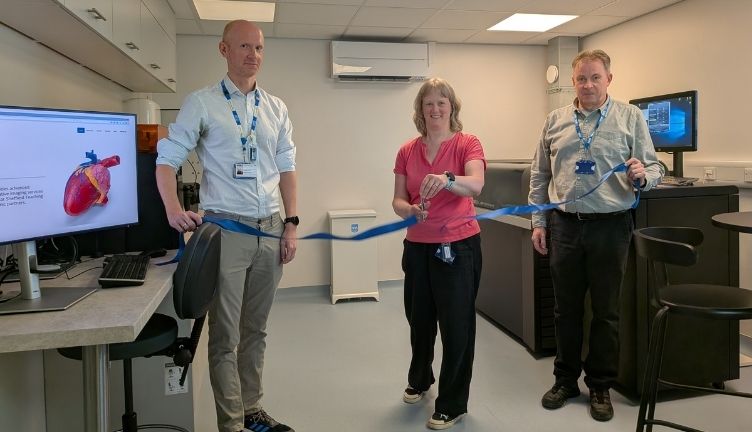
Additive manufacturing (AM) ist kein Nischen-Service-Labor mehr; sie wird zu einem integralen Teil der chirurgischen Planung und intra-operativen Unterstützung. Im Jahr 2026 haben Indiana University Health und Sheffield Teaching Hospitals jeweils eigene PoC-3D-Printing-Einrichtungen eröffnet, die patientenspezifische anatomische Modelle innerhalb einer einzigen Arbeitsschicht produzieren können. Frühe Kennzahlen zeigen:
| Metric | Traditional Central Lab | PoC Hospital Lab (2026) |
|---|---|---|
| Average lead time | 5–7 days | 12–24 h |
| Cost per model (USD) | $850 | $420 |
| Revision rate | 18 % (re-print) | 5 % (design tweak) |
| Surgeon satisfaction (1-5) | 3.8 | 4.6 |
Diese Zahlen verdeutlichen den klinischen Vorteil der Vor-Ort-Fertigung: schnellere Entscheidungsfindung, geringere Logistikkosten und höheres Vertrauen in die Modell-Genauigkeit.
The ADDITIV Medical 2026 Summit
Event Overview
- Date & Time: Wednesday, 21 Oct 2026, 10:00 AM-12:40 PM EDT (4:00-6:40 PM CEST)
- Format: Free, virtual, live-streamed via the ADDITIV platform
- Edition: 9th annual summit (first held in 2018)
- Audience: Hospital CEOs, clinical directors, biomedical engineers, medical-device executives, and regulatory consultants
Who’s Speaking?
- Academic Leaders: UCSF, University of Pittsburgh Medical Center (UPMC), Hospital Clínic de Barcelona, Children’s Nebraska, Tampa General Hospital.
- Industry Sponsors: Stratasys (global AM leader, > 30 k printers installed), Axial3D (AI-optimized lattice generation), Synergy3DMed (biocompatible polymer portfolio).
- Facilitator: Filippos Voulpiotis, Managing Director, 3Dnatives, who emphasized the patient-centric mission of the community.
Program Structure
| Session | Focus | Format |
|---|---|---|
| Panel 1 – AI-Driven Design | Machine-learning tools that convert DICOM imaging to printable STL files in < 5 min. | Live Q&A (15 min) |
| Panel 2 – Clinical Integration | Workflow standardization, staff training, and real-time sterility protocols. | Live Q&A (15 min) |
| Panel 3 – Reimbursement & Liability | CPT coding updates, algorithmic liability insurance, and payer-pilot programs. | Live Q&A (15 min) |
Each panel includes two academic case studies (e.g., a spinal fusion model from Indiana Health, a pediatric cardiac replica from Sheffield) and one vendor demonstration.
Overcoming the Three Core Barriers
1. Software Automation
- Current gap: Manual segmentation still consumes 30–45 min per case.
- Solution showcased: Axial3D’s “Lattice-AI” reduces segmentation to 3 min and auto-generates internal support structures, cutting total design time by 85 %.
2. Algorithmic Liability
- Regulatory context: FDA’s 2025 “Software as a Medical Device” guidance now requires documented validation datasets (minimum n = 500).
- Summit outcome: A consensus framework for shared liability pools among hospitals and vendors, modeled after the European “Medical Device Software Liability Fund.”
3. Insurance Reimbursement
- Status: Only 12 % of U.S. insurers reimburse PoC models under CPT 0284.
- Progress: UPMC presented a pilot that secured coverage for 68 % of cases by bundling models with pre-operative imaging (HCPCS G0455).
Why This Matters for CNC Milling & Hybrid Manufacturing
Hybrid CNC-AM systems (e.g., Stratasys J750 Hybrid) can mill metal fixtures while printing polymeric patient models in the same workstation. The summit highlighted a pilot where a CNC-milled titanium osteotomy guide was printed and sterilized in-process, reducing total OR preparation time from 48 h to 9 h. This convergence underscores the strategic value of integrating CNC precision with AM flexibility.
Bottom Line
ADDITIV Medical 2026 serves as the definitive forum for translating point-of-care additive manufacturing from experimental labs into standardized, reimbursable clinical practice. By confronting software automation, liability, and payment challenges head-on, the summit equips hospitals with actionable roadmaps and showcases AI-driven tools that slash design time by up to 90 %. For CNC-Milling professionals, the event signals a clear shift toward hybrid workflows that combine high-precision machining with rapid, patient-specific AM—an evolution that promises faster surgeries, lower costs, and measurable improvements in patient outcomes.


