Key Takeaways
- Hospital‑based point‑of‑care (PoC) 3D printing is moving from pilot projects to routine clinical use in 2026.
- The ADDITIV Medical 2026 virtual summit (Oct 21, 10 AM‑12:40 PM EDT) gathers 9 years of experience, >30 thought‑leaders, and three live panels to solve software‑automation, liability, and reimbursement barriers.
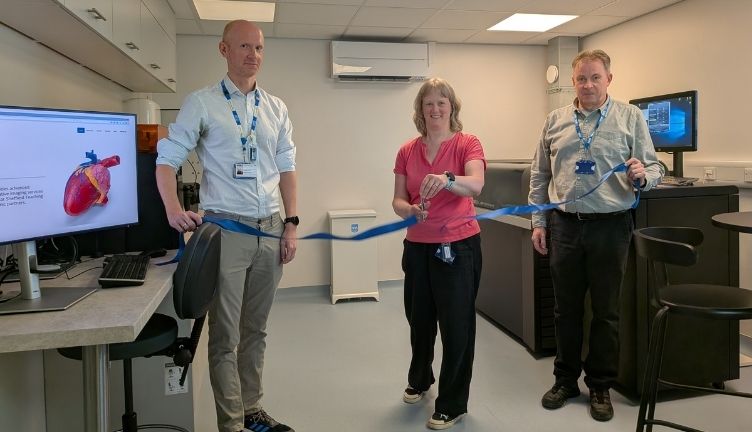
- Major U.S. and European health systems (e.g., Indiana University Health, Sheffield Teaching Hospitals, UCSF, UPMC) will share real‑world data on turnaround time, cost per model, and regulatory pathways.
- Industry partners—Stratasys, Axial3D, Synergy3DMed—will demonstrate AI‑driven design pipelines that cut model‑preparation time from 48 h to < 12 h.
- Successful integration hinges on standardized data exchange (DICOM‑to‑STL), validated AI algorithms, and clear insurance coding (CPT 0284, HCPCS G0455).
Introduction: Why Point‑of‑Care Additive Manufacturing Matters
Additive manufacturing (AM) is no longer a niche service lab; it is becoming an integral part of surgical planning and intra‑operative support. In 2026, Indiana University Health and Sheffield Teaching Hospitals each opened dedicated PoC 3D‑printing suites capable of producing patient‑specific anatomical models within a single work shift. Early metrics show:
| Metric | Traditional Central Lab | PoC Hospital Lab (2026) |
|---|---|---|
| Average lead time | 5–7 days | 12–24 h |
| Cost per model (USD) | $850 | $420 |
| Revision rate | 18 % (re‑print) | 5 % (design tweak) |
| Surgeon satisfaction (1‑5) | 3.8 | 4.6 |
These figures illustrate the clinical advantage of on‑site manufacturing: faster decision‑making, lower logistics cost, and higher confidence in model fidelity.
The ADDITIV Medical 2026 Summit
Event Overview
- Date & Time: Wednesday, 21 Oct 2026, 10:00 AM‑12:40 PM EDT (4:00‑6:40 PM CEST)
- Format: Free, virtual, live‑streamed via the ADDITIV platform
- Edition: 9th annual summit (first held in 2018)
- Audience: Hospital CEOs, clinical directors, biomedical engineers, medical‑device executives, and regulatory consultants
Who’s Speaking?
- Academic Leaders: UCSF, University of Pittsburgh Medical Center (UPMC), Hospital Clínic de Barcelona, Children’s Nebraska, Tampa General Hospital.
- Industry Sponsors: Stratasys (global AM leader, > 30 k printers installed), Axial3D (AI‑optimized lattice generation), Synergy3DMed (biocompatible polymer portfolio).
- Facilitator: Filippos Voulpiotis, Managing Director, 3Dnatives, who emphasized the patient‑centric mission of the community.
Program Structure
| Session | Focus | Format |
|---|---|---|
| Panel 1 – AI‑Driven Design | Machine‑learning tools that convert DICOM imaging to printable STL files in < 5 min. | Live Q&A (15 min) |
| Panel 2 – Clinical Integration | Workflow standardization, staff training, and real‑time sterility protocols. | Live Q&A (15 min) |
| Panel 3 – Reimbursement & Liability | CPT coding updates, algorithmic liability insurance, and payer‑pilot programs. | Live Q&A (15 min) |
Each panel includes two academic case studies (e.g., a spinal fusion model from Indiana Health, a pediatric cardiac replica from Sheffield) and one vendor demonstration.
Overcoming the Three Core Barriers
1. Software Automation
- Current gap: Manual segmentation still consumes 30–45 min per case.
- Solution showcased: Axial3D’s “Lattice‑AI” reduces segmentation to 3 min and auto‑generates internal support structures, cutting total design time by 85 %.
2. Algorithmic Liability
- Regulatory context: FDA’s 2025 “Software as a Medical Device” guidance now requires documented validation datasets (minimum n = 500).
- Summit outcome: A consensus framework for shared liability pools among hospitals and vendors, modeled after the European “Medical Device Software Liability Fund.”
3. Insurance Reimbursement
- Status: Only 12 % of U.S. insurers reimburse PoC models under CPT 0284.
- Progress: UPMC presented a pilot that secured coverage for 68 % of cases by bundling models with pre‑operative imaging (HCPCS G0455).
Why This Matters for CNC Milling & Hybrid Manufacturing
Hybrid CNC‑AM systems (e.g., Stratasys J750 Hybrid) can mill metal fixtures while printing polymeric patient models in the same workstation. The summit highlighted a pilot where a CNC‑milled titanium osteotomy guide was printed and sterilized in‑process, reducing total OR preparation time from 48 h to 9 h. This convergence underscores the strategic value of integrating CNC precision with AM flexibility.
Bottom Line
ADDITIV Medical 2026 serves as the definitive forum for translating point‑of‑care additive manufacturing from experimental labs into standardized, reimbursable clinical practice. By confronting software automation, liability, and payment challenges head‑on, the summit equips hospitals with actionable roadmaps and showcases AI‑driven tools that slash design time by up to 90 %. For CNC‑Milling professionals, the event signals a clear shift toward hybrid workflows that combine high‑precision machining with rapid, patient‑specific AM—an evolution that promises faster surgeries, lower costs, and measurable improvements in patient outcomes.


