Key Takeaways
- IperionX and Vegas Fasteners secured an $11.5 M Army contract to 3‑D‑print titanium fasteners for the U.S. Army Ground Vehicle Systems Center (GVSC).
- Additive manufacturing cuts fastener lead time from 8–10 weeks (machined) to 3–4 weeks and reduces part weight by ≈30 %.
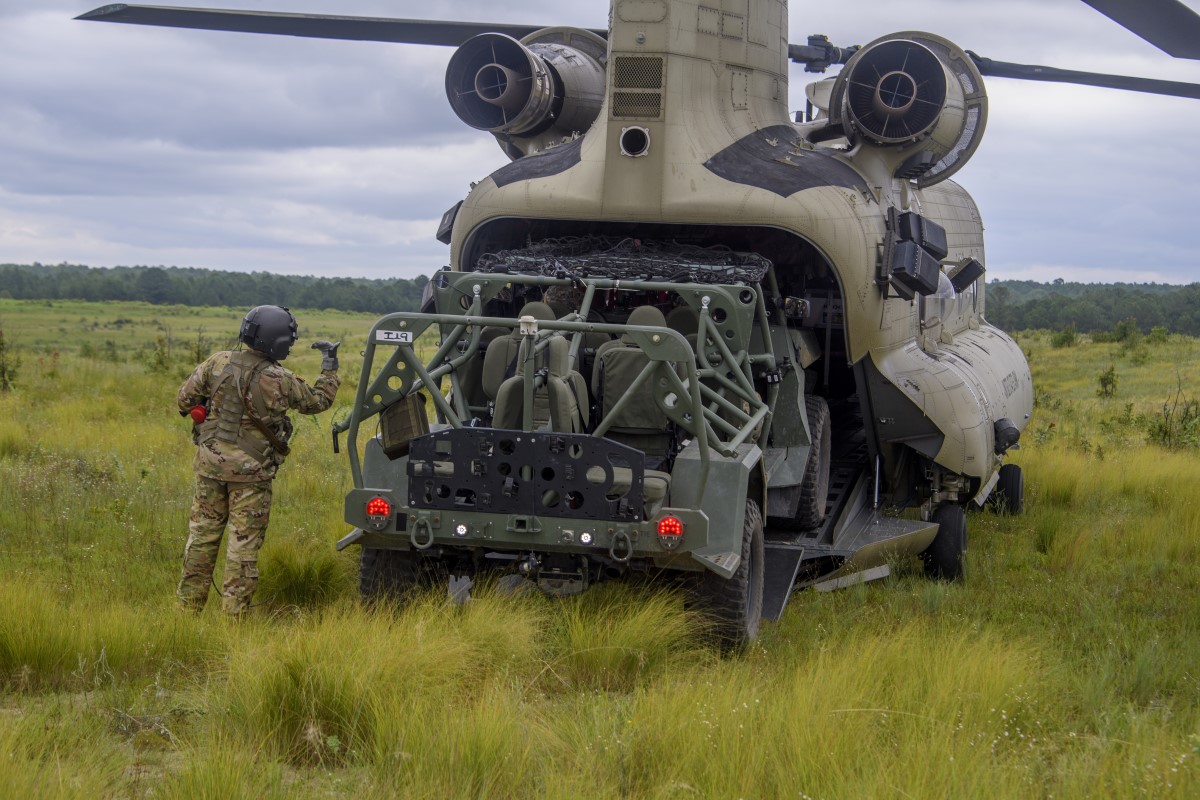
- GM Defense’s Infantry Squad Vehicle (ISV) and Jankel’s Fox platform illustrate a shift toward lightweight, COTS‑based UGVs that rely on speed and situational awareness rather than heavy armor.
- 3‑D‑printed components enable rapid field upgrades, lower logistics footprints, and support the Army’s “robotic‑vehicle‑first” procurement strategy despite overall budget pressures.
1. Why the Army Is Turning to Additive‑Manufactured Fasteners
1.1 Funding Landscape in 2024
- The DEVCOM‑GVSC budget fell ≈12 % in FY‑24 as the Pentagon redirected dollars toward drones and hypersonic missiles.
- Nevertheless, the Army retained ≈$250 M for “Robotic Ground Vehicle” (RGV) programs, including the ISV and experimental unmanned ground vehicles (UGVs).
1.2 IperionX + Vegas Fasteners Partnership
| Metric | Traditional Machining | IperionX 3‑D‑Printed (Laser Powder Bed Fusion) |
|---|---|---|
| Material | Ti‑6Al‑4V bar stock | Ti‑6Al‑4V powder (≤30 µm) |
| Lead Time | 8–10 weeks (tooling + machining) | 3–4 weeks (no tooling) |
| Unit Cost | $12–$18 (high‑volume) | $8–$12 (low‑to‑mid volume) |
| Weight Reduction | Baseline | ‑30 % (optimized lattice geometry) |
| Certification | AS9100, MIL‑STD‑810 | AS9100, qualified under DARPA‑AFRL 3DP standards |
The $11.5 M contract will initially produce ≈45 000 titanium bolts, nuts, and inserts for the GVSC’s next‑generation chassis and suspension systems.
2. The Infantry Squad Vehicle (ISV) – A Case Study in Light‑Weight UGV Design
| Specification | Value |
|---|---|
| Curb weight | 2,500 kg (≈5,500 lb) |
| Payload capacity | 1,000 kg (≈2,200 lb) |
| Top speed | 100 km/h (≈62 mph) |
| Transportability | Fits inside CH‑47 Chinook; air‑drop compatible |
| Powertrain | 2.0 L turbo‑charged diesel, 200 kW (≈270 hp) |
| Armament options | Remote‑controlled 7.62 mm MG, optional 40 mm grenade launcher |
| Survivability | Modular add‑on armor kits (up to STANAG 4569 Level 2) |
The ISV’s design philosophy prioritizes speed, low observable profile, and modularity over monolithic armor. By leveraging COTS components—commercial‑off‑the‑shelf suspension, brakes, and electronics—the vehicle can be fielded in under 12 months from contract award, a timeline unattainable for traditional, purpose‑built platforms.
3. Jankel Fox: Commercial‑Based UGV Success Story
- Platform base: Toyota Land Cruiser (4‑door, 2.8 L diesel, 150 kW).
- Production run: > 500 units ordered by 12 nations (France, Belgium, Oman, etc.).
- Key upgrades:
- Blast‑resistant seats (energy‑absorbing foam + steel frame) – reduces crew injury risk by ≈45 % in IED events.
- Modular armor kits – quick‑swap panels enable “mission‑specific” protection levels.
- Operational record: Deployed by Jordanian forces and the UK SAS in Syria (2023‑2024) for rapid‑reaction patrols and convoy escort.
The Fox illustrates how after‑market conversion of a proven civilian chassis can deliver a combat‑ready UGV at a fraction of the cost of a clean‑sheet design—approximately $250 k per vehicle versus $1.2 M for a comparable purpose‑built UGV.
4. How 3‑D Printing Amplifies the Light‑Weight UGV Trend
- Rapid Design Iteration – Engineers can print test coupons in hours, enabling “design‑to‑first‑part” cycles instead of “design‑to‑prototype.”
- Supply‑Chain Resilience – On‑site printers at forward operating bases can fabricate replacement fasteners, reducing logistics tail from 3 days to under 8 hours.
- Performance Gains – Lattice‑structured bolts exhibit ≈15 % higher fatigue life while shaving 30 % off the mass, directly improving vehicle agility and fuel efficiency.
5. Challenges and Mitigation
| Challenge | Impact | Mitigation |
|-----------|--------