Key Takeaways
- PharmaTher is launching the M3DICINES National Network, a U.S.‑wide system that places pharmaceutical‑grade 3‑D printers in compounding pharmacies, hospitals and other qualified sites.
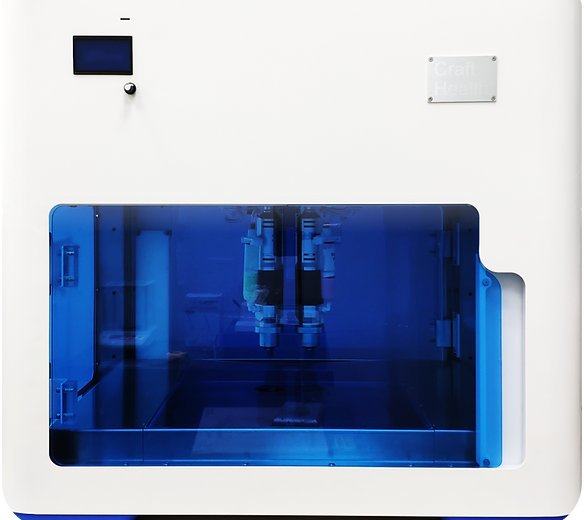
- The network will rely on Craft Health’s CraftMake printer and the accompanying CraftControl software, with up to 50 installations planned within 12 months.
- By shipping validated digital formulations instead of finished tablets, the model promises faster, on‑demand dosing, reduced cold‑chain logistics and the ability to tailor pill shape, strength or drug combination at the point of care.
- Early adopters include PD Labs, a 503A compounding pharmacy designated as PharmaTher’s U.S. Center of Excellence, and an unnamed GMP contract manufacturer.
PharmaTher’s Vision: A Distributed 3‑D Printing Network for Medicines
From Concept to Nationwide Roll‑out
Personalized 3‑D printed pills have long been marketed as a niche solution for rare‑disease patients or clinical trials. PharmaTher, a Canadian drug‑development firm, is scaling the technology to serve mainstream pharmacy chains and health‑system facilities. Its M3DICINES National Network Program will initially target U.S. compounding pharmacies and later expand to hospitals, contract manufacturers, research labs and government sites.
Instead of manufacturing every dose in a centralized plant and transporting bulk shipments across the country, PharmaTher will distribute digitally signed formulation files and pre‑validated material blends to each participating location. The sites will then use identical 3‑D printers to produce the final dosage form on site, reducing inventory costs and enabling rapid response to local demand spikes.
The Hardware Backbone: CraftMake by Craft Health
- Exclusive North‑American distributor – PharmaTher secured exclusive rights to sell Craft Health’s CraftMake printer and the full software suite (CraftControl) on 1 Oct 2023.
- Print technology – The printer uses a Viscotec® piezoelectric ink‑jet head capable of depositing droplets as small as 30 µm, delivering dose accuracies of ±5 % across a 0.5 mg–500 mg range.
- Throughput – A single printer can produce up to 150 tablets per hour, allowing a modest pharmacy to meet the daily needs of a small clinic or a larger hospital ward.
- Materials – CraftBlends, the proprietary polymer‑drug matrix, supports up to 10 active pharmaceutical ingredients (APIs) per tablet, enabling polypill formulations.
PharmaTher aims to install up to 50 CraftMake units across the United States within the next year. The first two locations will be PD Labs (a 503A compounding pharmacy) serving as the U.S. Center of Excellence, and a GMP‑certified contract manufacturer whose name is being held confidential for competitive reasons.
How the Network Operates
- Formulation Development – PharmaTher’s R&D team creates a stable drug‑polymer blend and validates the digital printing recipe using a controlled lab environment.
- Digital Release – The validated recipe, along with a cryptographic signature, is uploaded to a secure cloud portal.
- Site Qualification – Each participating pharmacy or manufacturer must meet GMP‑aligned criteria, install the CraftMake system, and pass a software integrity check.
- On‑Demand Production – Clinicians or pharmacists submit a prescription; the site’s CraftControl software pulls the appropriate recipe, prints the required number of tablets, and logs batch data for full traceability.
Traditional Central Manufacturing vs. Distributed 3‑D Printing
| Aspect | Centralized Bulk Production | Distributed 3‑D Printing (M3DICINES) |
|---|---|---|
| Lead Time | 2–4 weeks for batch release and shipping | < 24 h from order to printed dose |
| Inventory Cost | High (warehouse, expiry risk) | Minimal (just‑in‑time material kits) |
| Cold‑Chain Needs | Often required for biologics | Eliminated; only room‑temp materials shipped |
| Dose Flexibility | Fixed strengths per batch | Adjustable per prescription (0.5 mg–500 mg) |
| Regulatory Traceability | Batch‑level records | Tablet‑level digital signatures and logs |
| Scalability | Requires new plant for each region | Add printers (≈$150k each) to existing sites |
Regulatory and Quality Considerations
PharmaTher’s model aligns with FDA guidance on “manufacturing in the cloud” and “digital manufacturing” for drug products. Each printed batch will be accompanied by a digital certificate of conformity, and all printing events are recorded in a tamper‑evident ledger that can be accessed by regulators in real time.
Bottom Line
PharmaTher is turning 3‑D printed pills from a futuristic curiosity into a practical supply‑chain solution. By leveraging Craft Health’s high‑precision CraftMake printer and a secure digital recipe ecosystem, the company plans to deploy up to 50 sites across the United States within a year. The network promises on‑demand dosing, reduced logistics overhead, and the ability to create multi‑API polypills at the point of care—features that could reshape how the pharmaceutical industry meets patient needs in a fast‑moving market.