Key Takeaways
- The Pentagon awarded Nikon Advanced Manufacturing (Nikon AM) a COTA‑type contract to supply customized NXG‑E metal‑AM systems for Tomahawk missile production.
- The NXG‑E machines will feature a 2 m build height, far exceeding most current large‑format printers and targeting the missile’s mid‑body sections.
- The agreement is part of the Industrial Base Analysis and Sustainment (IBAS) program, which fast‑tracks critical defense‑grade additive‑manufacturing (AM) capabilities.
- Compared with other large‑format metal printers, the NXG‑E offers higher laser power (up to 1 kW) and a broader material portfolio (e.g., Inconel 718, 17‑4 PH, Ti‑6Al‑4V).
- Successful deployment could shrink Tomahawk lead times from 12‑18 months to under 6 months, while also paving the way for domestic solid‑rocket‑motor (SRM) production.
Pentagon’s New Additive‑Manufacturing Push
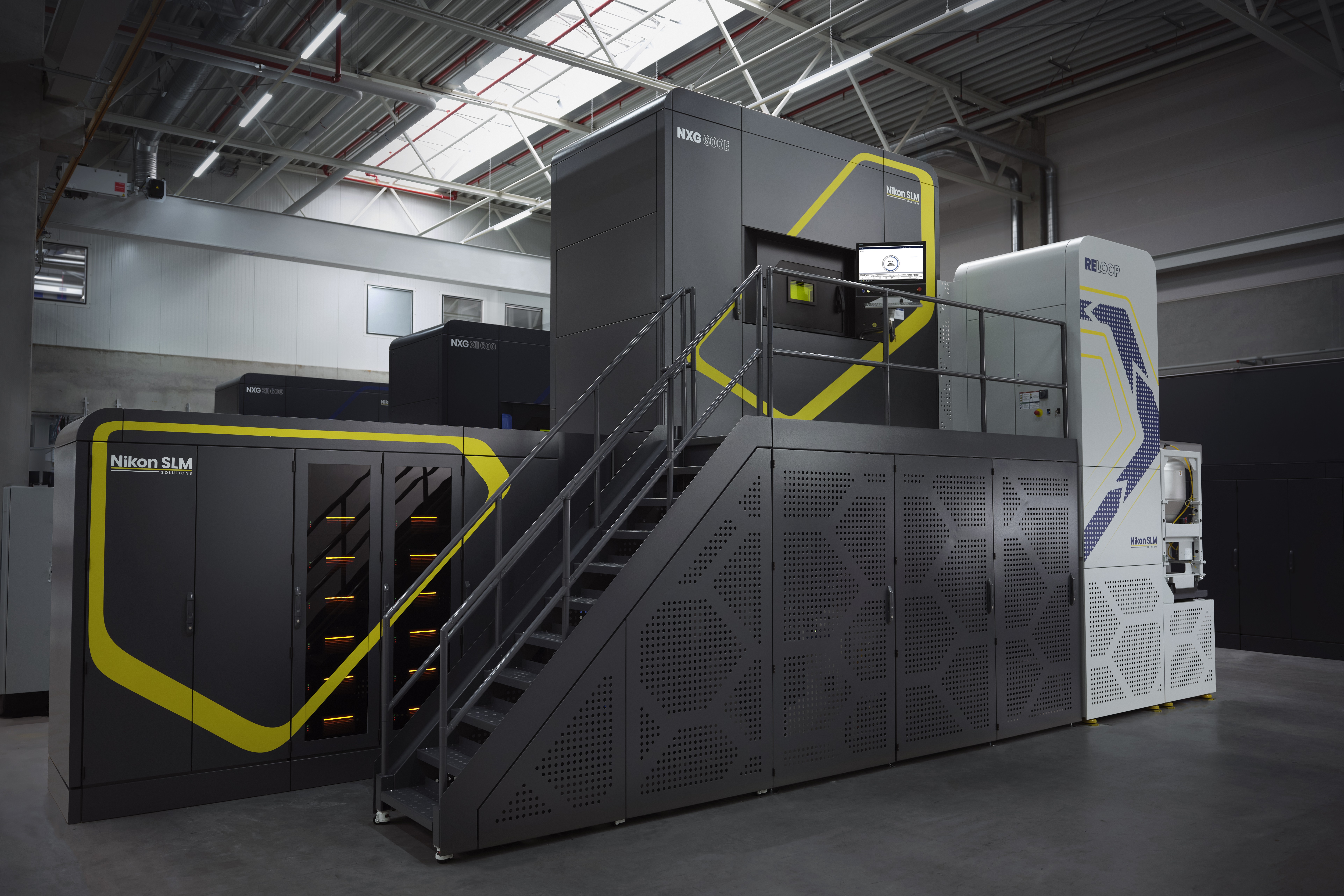
The U.S. Department of Defense has signed a Cornerstone Other Transaction Agreement (COTA) with Nikon Advanced Manufacturing to deliver a fleet of its SLM Solutions NXG‑E metal‑laser‑powder‑bed fusion (LPBF) systems. The contract, administered under the Industrial Base Analysis and Sustainment (IBAS) program, is designed to accelerate the production of the Tomahawk Land Attack Missile (TLAM), specifically the missile’s mid‑body components that traditionally require long‑lead‑time machining.
Why the Tomahawk?
Tomahawks rely on solid‑rocket motors (SRMs) for launch, and their airframe incorporates high‑strength alloys such as Inconel 718 and Ti‑6Al‑4V. By moving these parts to a large‑format AM process, the service hopes to:
- Reduce material waste – LPBF can achieve > 90 % density with near‑net‑shape builds.
- Shorten supply‑chain cycles – Consolidating multiple machining steps into a single print.
- Enhance design flexibility – Allowing internal lattice structures for weight savings without sacrificing strength.
Technical Highlights of the Nikon NXG‑E
| Specification | Nikon NXG‑E (custom) | EOS M 400 | GE Additive Concept Laser | Typical Production Metric |
|---|---|---|---|---|
| Build envelope (L × W × H) | 1 m × 1 m × 2 m | 0.8 m × 0.5 m × 0.5 m | 0.9 m × 0.5 m × 0.5 m | Height is the limiting factor for missile sections |
| Laser source | 400 W continuous wave, upgradable to 1 kW | 400 W | 400 W | 400 W |
| Layer thickness | 20‑100 µm (adjustable) | 20‑100 µm | 30‑125 µm | Finer layers improve surface finish |
| Material palette | Inconel 718, 17‑4 PH, Ti‑6Al‑4V, Maraging 300, stainless steel | Same core alloys | Same core alloys + Co‑Cr | All systems support defense‑grade alloys |
| Print rate (cm³/h) | ~ 350 (optimized) | ~ 250 | ~ 260 | Faster throughput directly cuts lead time |
| Certification | MIL‑STD‑810G compliant (custom) | ISO 9001 | AS9100 | Military‑grade compliance required |
What Sets the NXG‑E Apart?
- Two‑meter Z‑axis: Enables a single build to contain an entire missile fuselage segment, eliminating the need for post‑build welding.
- Closed‑loop process monitoring: Real‑time melt‑pool imaging and pyrometric feedback meet DARPA‑Level 4 quality assurance standards.
- Modular powder handling: Designed for rapid cartridge exchange, supporting high‑volume production cycles of ≥ 30 parts per day.
Strategic Context
The COTA framework, introduced in 2018, allows the Pentagon to bypass traditional acquisition bottlenecks and fund “non‑budgetary” technology development. Under IBAS, contracts focus on production‑readiness rather than prototype demonstration, meaning the delivered NXG‑E units must meet full‑scale manufacturing specifications from day one.
In a summer interview, Nikon AM CEO Hamid Zarringhalam highlighted the Tomahawk as a “prime candidate” for large‑format metal AM because its geometry aligns with the printer’s build envelope, and the missile’s demand curve (≈ 5,000 units annually) justifies a high‑mix, low‑volume production model.
Implications for Solid‑Rocket‑Motor (SRM) Scaling
While the current contract does not directly address SRM fabrication, the success of large‑format LPBF for Tomahawk components serves as a proof‑point for the broader defense community. If the Pentagon can achieve sub‑six‑month delivery windows for missile airframes, a similar approach could be applied to SRM combustion chambers, which also require high‑temperature alloys and complex internal channels.
Bottom Line
The Pentagon’s COTA award to Nikon Advanced Manufacturing signals a decisive shift toward large‑format metal additive manufacturing for critical weapon systems. By fielding customized NXG‑E printers with a 2‑meter build height, the service aims to compress Tomahawk production timelines, lower material waste, and create a scalable pathway for future SRM manufacturing. If the program meets its performance targets, the United States could secure a domestic, rapid‑response supply chain for some of its most important long‑range strike assets.


