Key Takeaways
- IBM und Lockheed Martin starten zusammen mit dem Schweizer Beschaffungsamt (armasuisse) einen Quantum-Innovation-Hub an der ETH Zürich.
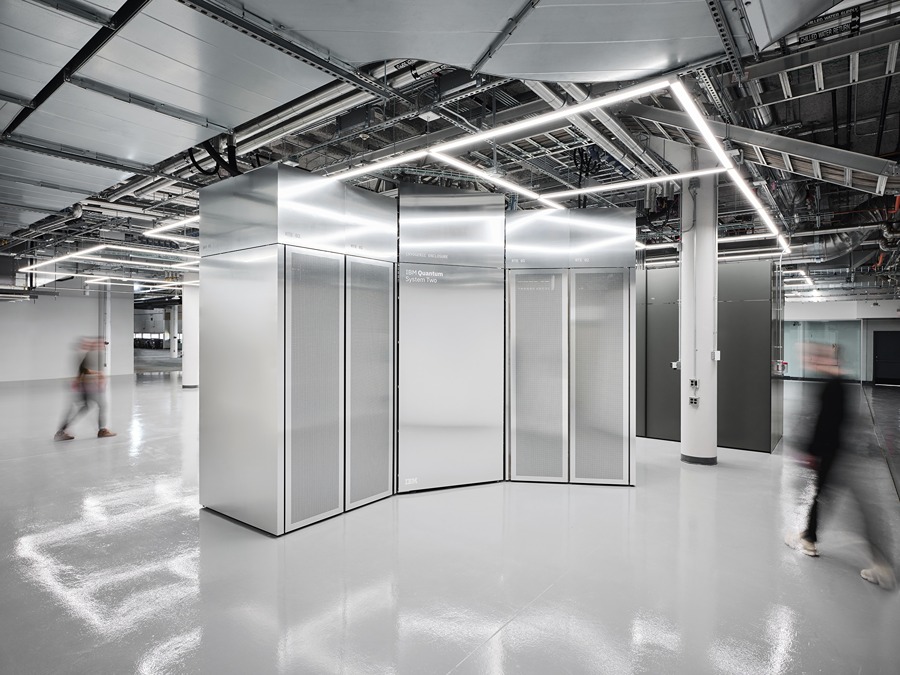
- Der Hub wird das erste IBM Quantum System Two des Landes beherbergen, betrieben vom IBM Quantum Nighthawk Prozessor (433 Qubits, 99,9 % Zwei-Qubit-Gate-Fidelity).
- Das System wird im Swiss National Supercomputing Centre (CSCS) in Lugano installiert und der Schweizer Industrie, Start-ups und Wissenschaft über Cloud-Zugang zur Verfügung gestellt.
- Die Partnerschaft kombiniert Lockheed Martins Expertise in Quantum-Sensing und additiver Fertigung mit IBMs Fähigkeiten in Quanten-Computing und KI und beschleunigt die Algorithmen-Entwicklung, Materialforschung, Finanzoptimierung und den Talentaufbau in der Schweiz.
IBM-Lockheed Martin Quantum Innovation Hub an der ETH Zürich
Warum der Hub wichtig ist
Durch ein Offset-Abkommen mit armasuisse haben IBM und Lockheed Martin ein dediziertes Quantum-Technologie-Zentrum auf dem ETH-Zürich-Campus geschaffen. Die ETH liefert Forschungstalente, Laborinfrastruktur und direkte Verbindungen zu Schweizer Unternehmen, während IBM das IBM Quantum System Two vor Ort im CSCS in Lugano betreibt. Der Hub soll bis Q4 2026 vollständig einsatzbereit sein.
Kerntechnologie: IBM Quantum System Two
| Feature | IBM Quantum System Two (Nighthawk) | IBM Quantum System One (Eagle) |
|---|---|---|
| Qubit count | 433 supraleitende Qubits | 127 Qubits |
| Two-qubit gate fidelity | 99,9 % (Durchschnitt) | 99,4 % |
| Quantum Volume | 2.048 (QV-2K) | 1.024 (QV-1K) |
| Cryogenic temperature | 10 mK (Dilution-Refrigerator) | 10 mK |
| Physical footprint | 2 × 2 m Rack (modular) | 1 × 1 m Rack |
| Cloud access | IBM Quantum Network (Open-Access-Stufe + Premium) | IBM Quantum Network (Premium) |
| Expected runtime per job | Bis zu 48 h (kontinuierlich) | Bis zu 24 h |
Alle Zahlen basieren auf IBMs öffentlichem Road-Map (2024-2026) und den CSCS-Spezifikationen.
Der Nighthawk-Prozessor mit 433 Qubits stellt eine 3,4-fach höhere Kapazität gegenüber dem vorherigen Eagle-basierten System One dar, während die Gate-Fidelity um 0,5 Prozentpunkte steigt, was zu einer etwa vier-fach höheren algorithmischen Tiefe vor der Notwendigkeit von Fehlerkorrektur führt.
Bereitstellung von Quanten-Fähigkeiten für das Schweizer Ökosystem
Sofortige Vorteile für Partner
Organisationen, die über die ETH Zürich dem Hub beitreten, erhalten:
- Direkten Cloud-Zugang zu IBMs vollständigem Quanten-Flottenangebot (inklusive System Two und zukünftiger Generationen).
- Vor Ort-Zeitfenster-Reservierungen auf der dedizierten CSCS-Maschine, die latenzarme Experimente ermöglichen.
- Technischen Support von IBM-Quantum-Ingenieuren und ETH-Forscher*innen zur Algorithmus-Optimierung.
Zielanwendungsbereiche
- Chemie & Materialwissenschaft – Simulation katalytischer Wege und Hochentropie-Legierungen mit >10-facher Beschleunigung gegenüber klassischem HPC.
- Optimierung – Lösung großskaliger Logistik-, Lieferketten- und Planungsprobleme (z. B. 10⁴-Variable-QUBO-Instanzen).
- Finanzdienstleistungen – Portfoliorisiko-Analyse und Monte-Carlo-Beschleunigung mittels quantum-verstärktem Sampling.
- Quantum-Enhanced Sensing – Nutzung von Lockheed Martins Sensor-Designs zur Verbesserung der Metrologie für Luft- und Raumfahrt sowie Verteidigung.
Erweiterte gemeinsame Forschung zwischen IBM und Lockheed Martin
Die Partnerschaft baut auf einer über ein Jahrzehnt währenden Zusammenarbeit auf, die bereits hervorgebracht hat:
- Quantum-Sensing-Prototypen für Satellitennavigation mit sub-Nanometer-Präzision.
- Additive-Manufacturing-Workflows, die quantum-abgeleitete Materialdaten direkt in 3-D-gedruckte Bauteile einbetten.
Mit System Two werden die beiden Unternehmen hybride Quantum-AI-Pipelines entwickeln, die IBMs generative-AI-Modelle mit quantum-beschleunigter Optimierung verbinden, mit dem Ziel, Produktentwicklungszyklen für Luft- und Raumfahrt-Teile um bis zu 30 % zu verkürzen.
Arbeitskräfte- und Talententwicklung
Die ETH Zürich wird eine Swiss Quantum Academy starten, die anbietet:
- Zertifizierte Quantum-Computing-Kurse (30-Stunden-Curriculum).
- Sommerpraktika an Echtzeit-Projekten mit System Two.
- Stipendien für Doktorand*innen, die sich auf Quantum-Algorithmen für die Industrie konzentrieren.
Die Initiative soll bis 2030 einen Pool von über 500 quantum-kompetenten Fachkräften in der Schweiz schaffen.
Fazit
Der IBM-Lockheed Martin Quantum-Hub an der ETH Zürich positioniert die Schweiz an der Spitze des praktischen Quanten-Computings. Durch die Bereitstellung des ersten IBM Quantum System Two des Landes – mit einem 433-Qubit-Nighthawk-Prozessor und branchenführender Fidelity – und die Kombination mit Lockheed Martins Sensor- und Fertigungsexpertise verspricht die Zusammenarbeit greifbare Durchbrüche in Chemie, Optimierung, Finanzen und Luft- und Raumfahrt. Sofortiger Cloud-Zugang, Ressourcen vor Ort und ein dediziertes Talent-Entwicklungsprogramm stellen sicher, dass Schweizer Innovatoren das Quanten-Potential in den nächsten Jahren in kommerziellen Wert umsetzen können.


