Key Takeaways
- Aurora Labs (ASX: A3D) is raising A$6 million (US$4.2 million) to scale its metal‑additive‑manufactured turbojet line.
- Funding is being raised via a rights placement of 109.1 million new shares at A$0.055 each, a 6.77 % discount to the October 23 closing price.
- The capital will finance new production cells, additional metal‑3D printers, certification work, IP protection and hiring to move from low‑volume prototyping to batch production for defence and aerospace customers.
- Strategic investor Walkinshaw Group Holdings brings automotive‑manufacturing expertise and a potential downstream service relationship.
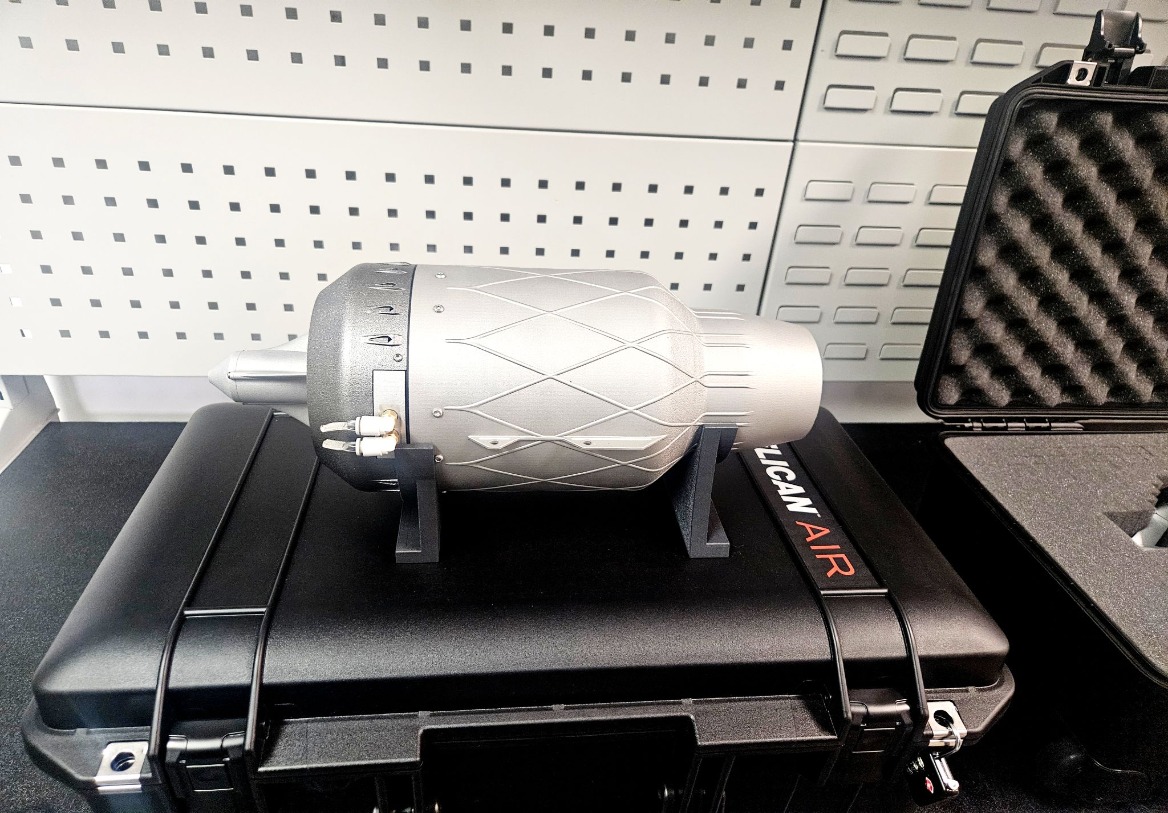
- Aurora’s 3D‑printed turbojets promise 30 % lower part count, 40 % weight reduction and up to 50 % shorter lead times versus traditionally machined equivalents.
Aurora Labs Shifts Focus From Printer Sales to Propulsion Manufacturing
Background
Founded in 2015, Aurora Labs has spent the last eight years perfecting its proprietary metal laser‑powder‑bed fusion (LPBF) printers. The company’s recent pivot is to leverage that technology for small turbojet engines destined for unmanned aerial vehicles (UAVs) and other uncrewed platforms. The move follows the receipt of its first U.S. engine order, signalling market traction beyond the Australian defence sector.
Funding Structure
- Placement size: 109.1 million shares
- Issue price: A$0.055 per share (US$0.039)
- Discount: 6.77 % to the prior close of A$0.059
- Two‑tranche settlement:
- Tranche 1: A$4.6 million (US$3.2 million) – expected settlement early November 2026.
- Tranche 2: A$1.4 million (US$1 million) – subject to shareholder approval at the January 2027 AGM.
- Chairman commitment: A$550 k (US$386.8 k) from David Trimboli.
A trading halt was requested on 26 Oct 2026 to prepare the announcement and avoid market disruption.
Strategic Partner: Walkinshaw Group Holdings
Walkinshaw, a well‑known Australian automotive engineering conglomerate, is participating as a strategic investor. The partnership opens two avenues:
- Manufacturing support – Walkinshaw’s high‑volume stamping and assembly facilities could be repurposed for final‑stage turbojet assembly and testing.
- Additive‑service offering – Aurora may become a preferred metal‑AM supplier for Walkinshaw’s own component programs, creating a reciprocal revenue stream.
How the Capital Will Be Deployed
| Allocation | Approx. Amount (A$) | Primary Objective |
|---|---|---|
| New 3D‑printing cells (LPBF) | 1.8 M | Increase build capacity to 3 units/week |
| Production tooling & fixturing | 0.9 M | Reduce setup time from 48 h to <12 h |
| Certification & quality systems (AS9100, DO‑178C) | 0.7 M | Achieve full aerospace compliance |
| IP protection (patents, trade‑secrets) | 0.4 M | Secure 12 new claims on nozzle geometry |
| Workforce expansion (engineers, technicians) | 0.6 M | Add 15 full‑time staff for scaling |
| Working capital & contingency | 0.6 M | Buffer for raw‑material price volatility |
The company projects that, once the first tranche is settled, production throughput will rise from 2 engines/month to 8 engines/month by Q4 2027.
3D‑Printed Turbojet vs. Conventional Machined Engine (Typical Small UAV Turbine)
| Parameter | Aurora 3D‑Printed Turbojet | Conventional Machined Turbojet |
|---|---|---|
| Thrust (max) | 150 N (≈34 lbf) | 150 N (≈34 lbf) |
| Dry weight | 1.2 kg | 1.8 kg |
| Part count | 27 (integrated nozzle & combustor) | 73 (separate castings) |
| Lead time (from order to delivery) | 6 weeks | 12 weeks |
| Material utilization | 85 % (near‑net shape) | 45 % (machining waste) |
| Unit cost (low‑volume) | US$4,800 | US$7,200 |
| Certification status | AS9100‑compliant (in‑process) | AS9100‑certified |
Source: Aurora Labs technical datasheet (2026) and industry benchmarks (UAV‑Engine Handbook, 2025).
The table highlights weight savings, reduced part count and faster delivery—critical advantages for defence UAV programs that demand rapid fielding and high reliability.
Outlook and Risks
- Market demand: The global UAV propulsion market is forecast to reach US$1.9 billion by 2029, driven by defence spend and commercial logistics. Aurora’s niche—low‑cost, rapidly producible turbojets—fits a growing segment of sub‑10 kg UAVs.
- Regulatory hurdle: Achieving full AS9100 and DO‑178C certification will require extensive testing; delays could compress the projected ramp‑up timeline.
- Supply chain exposure: The LPBF process relies on high‑purity Ti‑6Al‑4V and Inconel‑718 powders; price spikes could erode the cost advantage. Aurora has signed a three‑year supply contract with a local powder producer to mitigate this risk.
Bottom Line
Aurora Labs is channeling A$6 million of fresh capital into a strategic shift from printer OEM to high‑value aerospace propulsion. By leveraging its in‑house metal additive expertise, the company aims to deliver lighter, cheaper and faster‑to‑market turbojet engines for UAVs


