Temel Çıkarımlar
- CRADA yeniden canlanması: DOE laboratuvarları, nükleer enerjiye yenilenen ilgi sayesinde 2024'te rekor sayıda İşbirliği Araştırma ve Geliştirme Anlaşması imzaladı.
- 3D Systems + SRNL ortaklığı: İşbirliği, nükleer-sınıf valfler, pompalar, ısı değiştiriciler ve gelecekteki küçük modüler reaktör (SMR) bileşenlerinin katmanlı imalatına (AM) odaklanıyor.
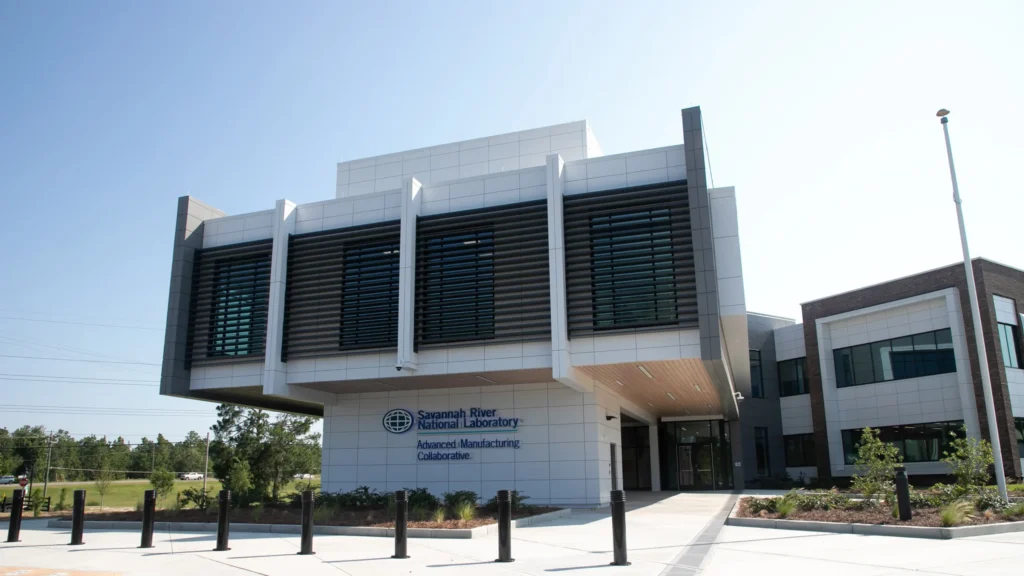
- İleri Üretim İşbirliği (AMC): Güney Karolina Üniversitesi-Aiken'de bulunan 60.000 sq ft, 50 M $ tesis, prototipleme, test ve iş gücü eğitimi için fiziksel platform sağlıyor.
- Ticari etki: CRADA, parça teslim sürelerini %70'e kadar kısaltmayı ve geleneksel işleme göre %40 daha az malzeme atığı üretmeyi hedefleyerek nükleer-sınıf AM parçalarının pazara çıkış yolunu hızlandırıyor.
CRADA Nedir ve Neden Önemlidir
İşbirliği Araştırma ve Geliştirme Anlaşmaları (CRADAlar), ABD federal laboratuvarlarının özel sektör firmalarıyla ortaklık kurmasını sağlayan yasal bağlayıcı sözleşmelerdir. Bir CRADA kapsamında katılımcılar fikri mülkiyet, personel, ekipman ve laboratuvar alanı değiş tokuşu yapabilir ve ortak çalışmadan doğan patentler iş ortaklarına aittir. Birincil amaç, umut vaat eden teknolojileri laboratuvardan ticari ürünlere daha hızlı taşıyabilmektir.
Tarihsel olarak, Enerji Bakanlığı’nın (DOE) ulusal laboratuvarları 2000'lerin başında CRADA faaliyetlerinde keskin bir düşüş gördü. Ancak 2024'e gelindiğinde bu trend dramatik bir şekilde tersine döndü. Sandia Ulusal Laboratuvarları, tarihindeki ikinci en yüksek yıllık CRADA sayısını kaydetti; bu başarı, sadeleştirilmiş sözleşme prosedürleri ve nükleer enerjinin temiz-enerji temeli olarak yeniden odaklanılmasından kaynaklandı.
3D Systems ve Savannah River Ulusal Laboratuvarı (SRNL) Güçlerini Birleştiriyor
Ortaklık Genel Bakışı
- Katılımcılar: 3D Systems (Rock Hill, SC merkezli) ve Savannah River Ulusal Laboratuvarı (SRNL).
- Odak: Nükleer-reaktor bileşenleri için katmanlı imalatın uygulanması, geleneksel donanımlardan (valfler, pompalar, ısı değiştiriciler) yeni SMR parçalarına kadar.
- Konum: Çalışmalar, Güney Karolina Üniversitesi-Aiken kampüsündeki 60.000 sq ft, 50 M $ araştırma merkezi AMC içinde yürütülecek.
Stratejik Avantajlar
- Coğrafi yakınlık – Her iki kuruluş da Güney Karolina'da faaliyet gösteriyor, bu da lojistiği basitleştiriyor ve bölgesel yetenek akışını destekliyor.
- İş gücü geliştirme – AMC, mühendis ve teknisyenler için bir eğitim alanı görevi görerek DOE’nun “Nükleer Üretim İçin Yetenekli İş Gücü” girişimiyle uyum sağlıyor.
- Ticari odak – 3D Systems, hızlı prototipleme ve ölçeklendirme yollarına vurgu yaparak laboratuvar sonuçlarını 18-24 ay içinde pazara hazır ürünlere dönüştürmeyi hedefliyor.
Nükleer Parçalar İçin Katmanlı İmalat ve Geleneksel İşleme Karşılaştırması
| Metric | Conventional Machining | Additive Manufacturing (AM) |
|---|---|---|
| Lead time (prototype → test) | 12–18 months | 3–5 months |
| Material utilization | 55-65 % (≈35-45 % waste) | 85-92 % (≈8-15 % waste) |
| Weight reduction | Baseline (0 % change) | 20-35 % lighter parts |
| Complexity ceiling | Limited to 2-axis/3-axis geometries | True 3-D lattice structures, internal channels |
| Certification timeline | 24-36 months (due to extensive testing) | 12-18 months (accelerated by digital twins) |
| Typical cost per part (low-volume run) | $8,000-$12,000 | $3,500-$6,000 |
Source: DOE-NRC joint study, 2023; 3D Systems internal data, 2024.
Tablo, DOE ve sektör liderlerinin AM'yi nükleer bileşen modernizasyonu için bir katalizör olarak görmelerini açıklıyor. Ağırlık tasarrufu, daha düşük soğutucu akış gereksinimlerine, yüksek malzeme verimliliği ise ham madde maliyetlerinde azalmaya yol açıyor – bu da maliyet hassasiyeti yüksek SMR projeleri için kritik bir faktör.
Beklenen Sonuçlar ve Zaman Çizelgesi
| Milestone | Target Date | Deliverable |
|---|---|---|
| Phase 1 – Feasibility & Design | Q4 2024 | Digital twin models for 5 core components (valve, pump, heat exchanger, SMR pressure vessel bracket, coolant channel) |
| Phase 2 – Prototype Production | Q2 2025 | AM-fabricated test coupons meeting ASTM E23 fatigue standards |
| Phase 3 – Qualification Testing | Q4 2025 | Full-scale part certification under ASME Section III, Subsection NB |
| Phase 4 – Commercial Launch | Q2 2026 | Market-ready AM component line for SMR integrators (e.g., NuScale, TerraPower) |
Ortaklığın “gerçek-dünya ticarileştirme” odaklı olması, her aşamada maliyet-yarar analizleri ve tedarik zinciri risk değerlendirmeleri yapılmasını sağlıyor; böylece teknoloji sadece gösterilebilir değil, aynı zamanda ekonomik açıdan da uygulanabilir oluyor.
Sonuç
3D Systems–SRNL CRADA'sı, Amerika Birleşik Devletleri'nin nükleer-sınıf üretimine yaklaşımında dönüm noktası niteliğinde. AMC'nin son-tekno katmanlı imalat yeteneklerinden yararlanarak, işbirliği parça teslim sürelerini kısaltmayı, malzeme atığını azaltmayı ve geleneksel işleme ile elde edilemeyen tasarım özgürlüklerini açığa çıkarmayı amaçlıyor. Daha geniş bir DOE çabasıyla CRADA'ları canlandırması, bu ortaklığı bir sonraki nesil reaktörlerin—özellikle SMR'lerin—dağıtımını hızlandırırken bölgesel yetenek havuzunu da güçlendirebilir. Nükleer yeniden doğuşu izleyen üreticiler ve yatırımcılar için, bu ittifak prototipten kâra üç yıl içinde geçiş için somut bir yol haritası sunuyor.


