Geçen yılki Additive Manufacturing Strategies (AMS) etkinliğinde, üç günlük fuarın bir sabahını tamamen DED ve özellikle basınçlı kaplar üzerine harcadık. Birçok kişi için basınçlı kaplar oldukça nadir bir 3D baskı uygulamasıdır. Ancak bizim için bunlar, petrol & gaz, nükleer enerji, roketler, hidrojen, endüstriyel güç ve su altı yapılarındaki uygulamalar için kesinlikle vazgeçilmezdir. Yeni enerji altyapısının büyük bir kısmı, hangi yolu izlerse izlesin, çok sayıda basınçlı kap kullanacaktır. DED ile bu büyük kapları göreceli olarak düşük maliyetle üretebiliriz. Ayrıca bunları spesifikasyonlara göre test edebilir ve geçebiliriz, bu da mühendisler ve yöneticiler için daha güvenilir bir benimseme yolu anlamına gelir. Bu geçme ve kalma, yorgunluk yükü altındaki bileşenler gibi diğer parçalarla karşılaştırıldığında büyük bir eksikliktir.
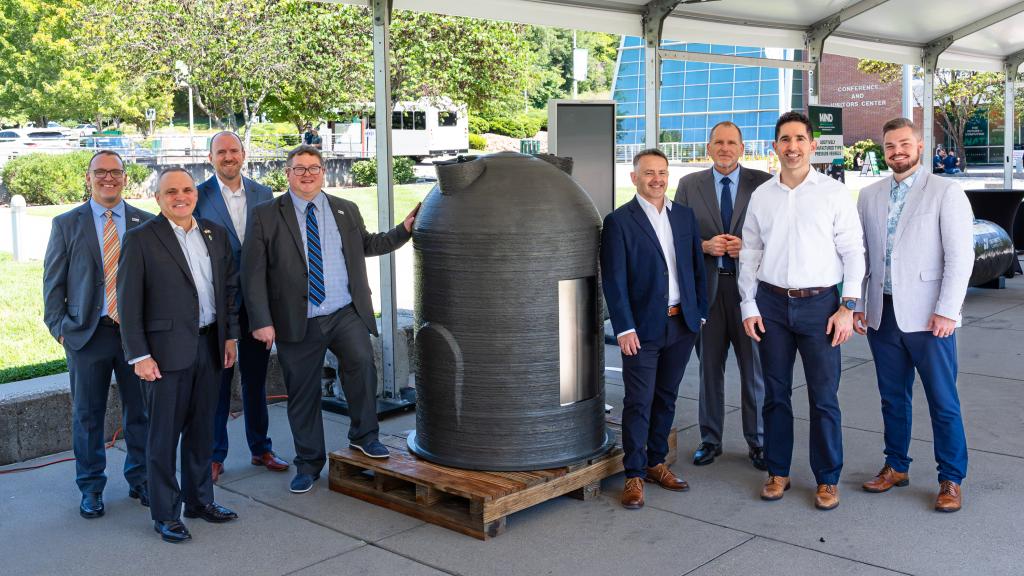
Dolayısıyla Enerji Bakanlığı (DOE)’nin Oak Ridge Ulusal Laboratuvarı ve Idaho Ulusal Laboratuvarı (INL)’nin basınçlı kaplarla ilgilenmesi şaşırtıcı değil. Aslında, ORNL’nin Lincoln Electric ile önceki çalışması, o firmanın basınçlı kap üretim hizmetine yol açtı. ARC ile çalışırken, ORNL enerji altyapısının dijitalleştirilmesinde bir yol haritası oluşturdu ve GKN ile yaptığı iş o firmanın uzay DED parçaları üretmesine yol açtı. Aslında, DED’e doğru atılan ilk adımlar Westinghouse mühendisleri tarafından 1920’de atıldı ve 1925’te Baker Method of Making Decorative Articles adlı patent verildi.
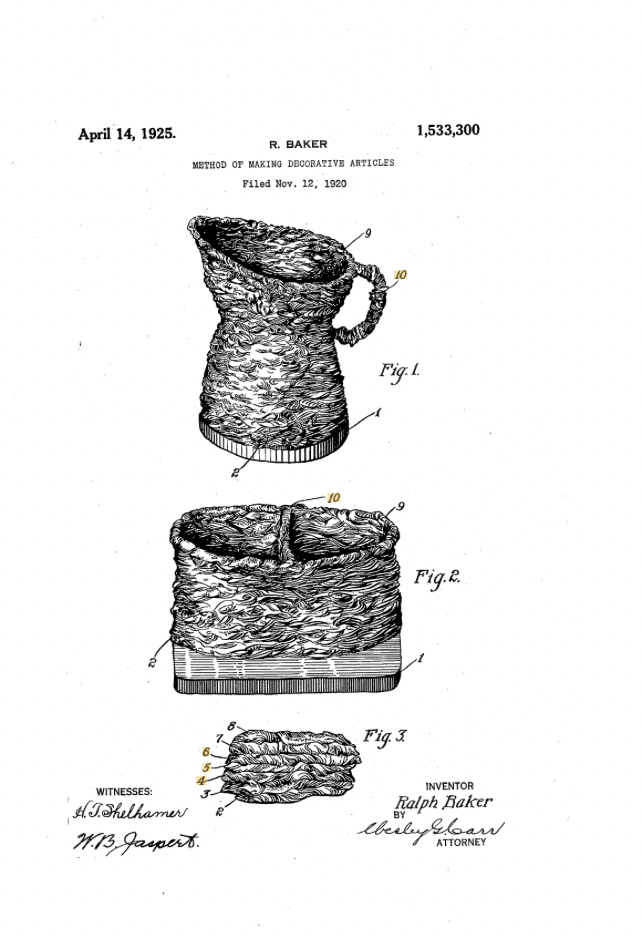
Bir DED erken örneği olmasının yanı sıra, icat aynı zamanda DED parçalarının genel görünüm ve hissini son derece doğru bir şekilde tasvir etti. Ve DED hâlâ “süs amaçlı ark kaynağı, özellikle elektrikli bir alanı kullanarak, süs ve faydalı şekillerde kaplar ya da konteynerler oluşturmak için birikimlerin oluşumunu sağlamak” şeklinde tanımlanıyor. Şimdi sadece süs amaçlı olmaktan biraz öteye geçtik, ama öngörülü bir tanım. DED’deki ilk hareket aşaması Ralph adındaki bir kişiydi. Daha sonra, tek ABD ulusal laboratuvarı bir kavun adıyla anılan Sandia, LENS’i geliştirdi; bu da DED’in en başından itibaren ABD enerji kuruluşlarıyla iç içe olduğunu gösteriyor.
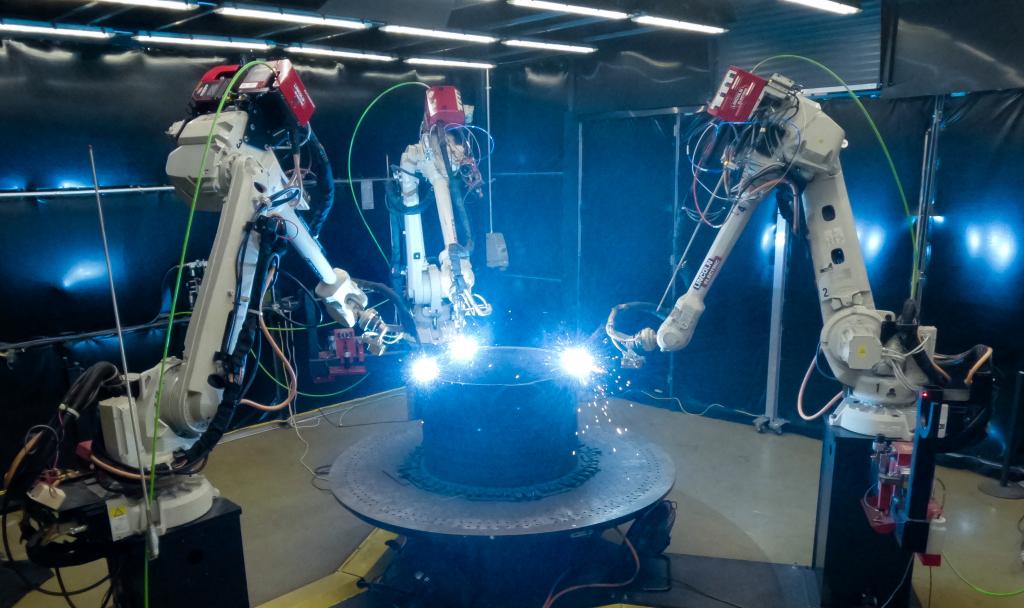
ORNL ve INL, basınçlı kaplar için tel ark DED (WAAM) üzerinde çalışmaya devam etmek istiyor. Amaç kaliteyi artırmak ve daha büyük parçalar üretmek. Lincoln Electric’tan duyduğumuz kadarıyla, onlar zaten binlerce pound ağırlığındaki devasa bileşenler üretebiliyor, bu yüzden Manufacturing Demonstration Facility (MDF) oldukça büyük parçalar üzerinde çalışıyor olmalı. İki laboratuvar da basınçlı kapları üretmek için AI kullanacak.
Shannon Bragg-Sitton, Idaho Ulusal Laboratuvarı Enerji ve Çevre Bilimi ve Teknolojisi associate laboratuvar direktörü, şöyle dedi:
“INL ve endüstri ortakları, Prometheus kapsamında geliştirilen AI araçlarını uygulayarak yeni reaktör tasarımları, bileşenler ve üretim yöntemlerinin geliştirilmesini hızlandıracak, nükleer enerjinin ticari benimsenmesini ve dağıtımını destekleyecek ve Amerikan topluluklarının, üreticilerin ve AI veri merkezlerinin artan ihtiyaçlarını karşılayacak.”
Robert Wagner, ORNL Enerji Bilimi ve Teknolojisi associate laboratuvar direktörü, şöyle belirtti:
“ORNL’nin benzersiz gücü, dünya-çapında bilimi Manufacturing Demonstration Facility’nin yetenekleriyle birleştirerek yeniliği araştırmadan gerçek dünyaya taşımamızdır. Endüstriyle birlikte gelişmiş üretim teknolojilerini göstererek, doğrulayarak ve nitelendirerek riski azaltabilir, dağıtımı hızlandırabilir ve Amerika’nın enerji geleceği için kritik olan yerli tedarik zincirlerini güçlendirebiliriz.”
İlk olarak ekip, çoklu WAAM platformu MedUSA ve üç baskı kafasıyla çelikten 3 ft × 5 ft boyutlarında bir nükleer parça üretti. Ayrıca Antares Nuclear’ın R1 Mark-0 mikro reaktörü için nötron sensör braketi de ürettiler.
ORNL baş araştırmacısı Patxi Fernandez-Zelaia şunları söyledi:
“Baskı sırasında toplanan verileri kullanarak aşırı ortamlar için uygunluklarını güvenle değerlendirebileceğimiz, nitelikli basınçlı kap bileşenleri elde etmeyi hedefliyoruz.”
INL ileri üretim grup lideri Jorgen Rufner ise şunları ekliyor:
“Bu projeyle, iki laboratuvarın uzmanlıklarını bir araya getirerek AI ve veri bilimi ile ileri 3D baskıyı bütünleştiriyoruz; böylece bir parçanın performansını üretim sırasında gerçek zamanlı olarak değerlendirebiliyoruz, sonradan test beklemek yerine.”
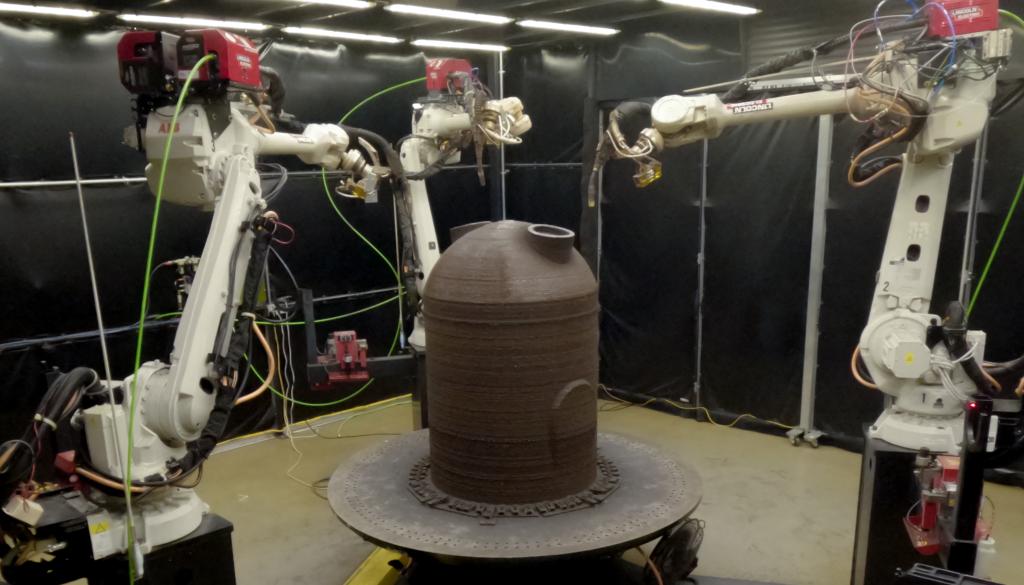
Şimdi “Oakridgese” ifadesini biraz açmak gerekir çünkü ORNL tamamen şaşırtıcı bir şey üzerinde çalışıyor. Yapmak istedikleri, sensörler, AI, simülasyon ve oldukça etkileyici bilgisayarları kullanarak, makine, malzeme ve fiziği öyle bir seviyeye getirmek ki, ilk baskıda nitelikli bir ürün üretebilesiniz. Böylece siyah kutu yaklaşımından tamamen bilinebilir bir sürece geçiliyor. Bu, parçaların üretim hızını artıracak ve geliştirme süresini ve hataları büyük ölçüde azaltacağı için DED benimsenmesini önemli ölçüde hızlandıracak.
ORNL ve INL burada gerçekten etkileyici bir teknoloji üzerinde çalışıyor. Zorluklar elbette büyük. Ancak DED ile aktif iseniz, MDF’ye bir yönünüz varsa kaçırmayın; bu, pazara çıktığında gerçekten rekabeti değiştirecek bir teknoloji olabilir.